Barclays Under Fire for Funding Power Plant Near Sundarbans
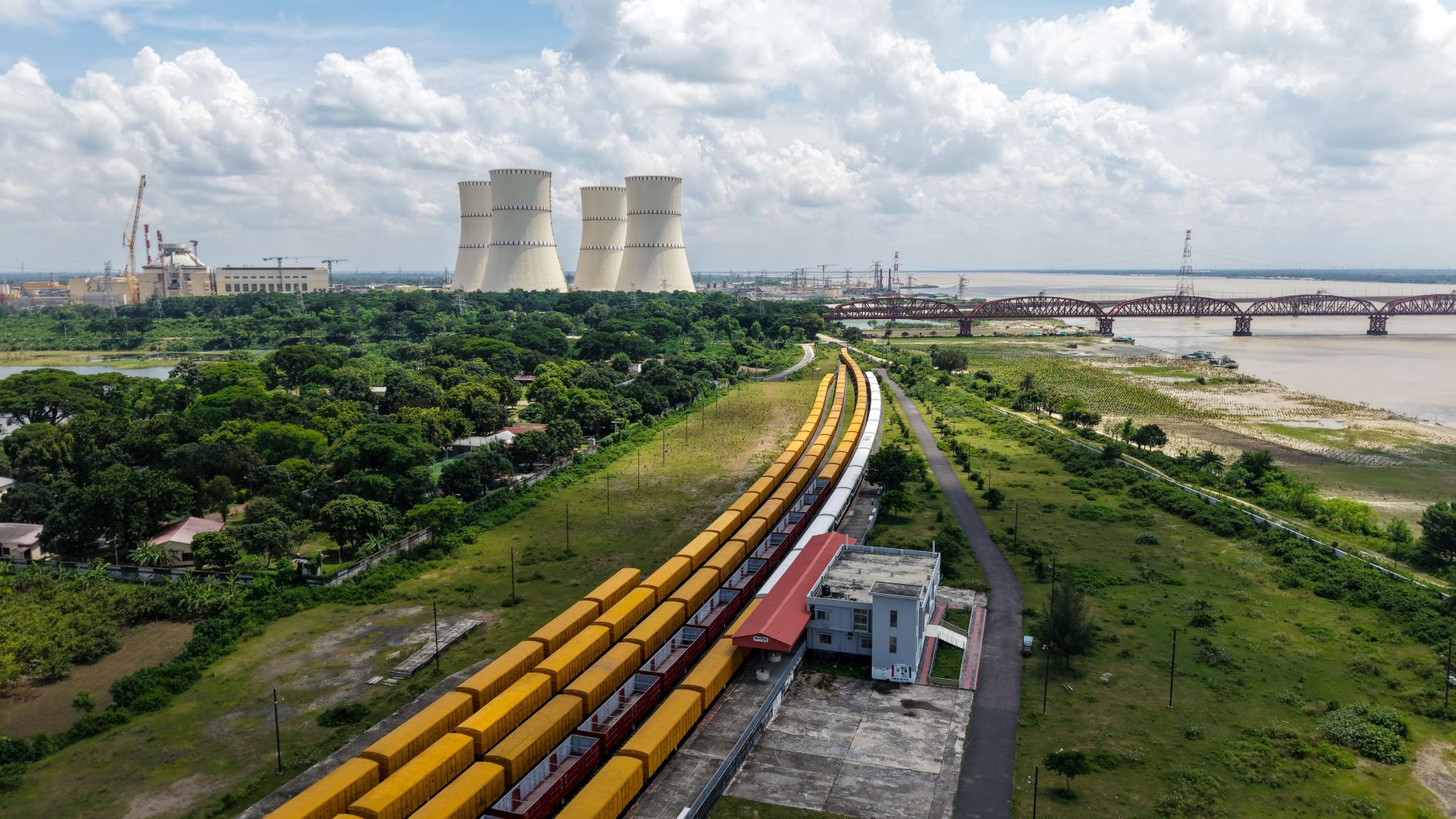
Barclays, one of Britain's leading banks, finds itself at the centre of a growing controversy over its financial involvement in a coal-fired power plant near the Sundarbans, the world's largest mangrove forest. The bank is facing a formal complaint from three residents of the region, who have taken their case to the UK, accusing the financial giant of contributing to environmental degradation.
The Sundarbans, which straddle the border between Bangladesh and India, are not just a UNESCO World Heritage site; they are a lifeline for millions, providing essential ecosystem services such as storm protection and fisheries. However, the proposed power plant, located alarmingly close to this ecological treasure, has sparked fierce opposition from environmentalists and local communities alike.
Environmental Concerns
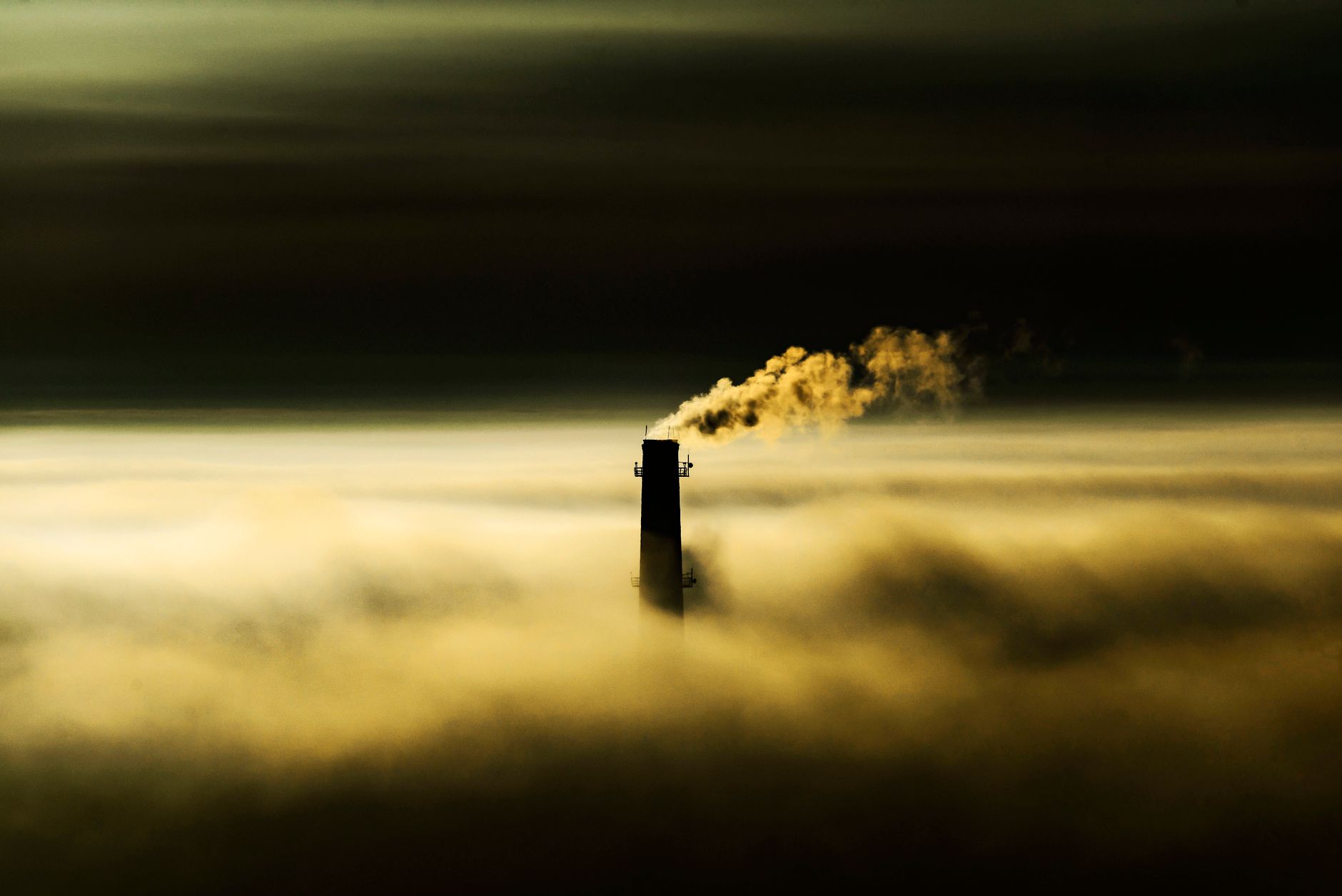
Critics argue that the power plant will exacerbate pollution levels, threatening both the biodiversity of the Sundarbans and the health of nearby residents. The plant's emissions are expected to increase air and water pollution, with potential consequences for the region's unique flora and fauna, including the endangered Bengal tiger.
Locals fear not only environmental impacts but also socio-economic consequences. Many residents rely on the mangroves for their livelihoods, and any disruption could lead to displacement and loss of income. Bhunia, a local woman, embodies this struggle. Living on the water's edge, she worries about the future but finds solace in selling mangrove saplings, a small yet dignified source of income.
Global Criticism
The controversy has crossed borders, with international organisations and activists joining the chorus of condemnation. They call for accountability from financial institutions like Barclays, urging them to reconsider their investments in projects with potential adverse environmental impacts.
Barclays has yet to respond publicly to the complaint, but the pressure is mounting. As the world grapples with climate change, the role of financial institutions in supporting sustainable development becomes ever more critical. Critics argue that banks should lead by example, divesting from projects that threaten the planet's most vulnerable ecosystems.
This unfolding drama around the Sundarbans power plant serves as a stark reminder of the delicate balance between economic development and environmental preservation. As Barclays navigates this storm, the world watches closely, awaiting its next move.