Beijing Pact Paves Path for Global Vocational Education
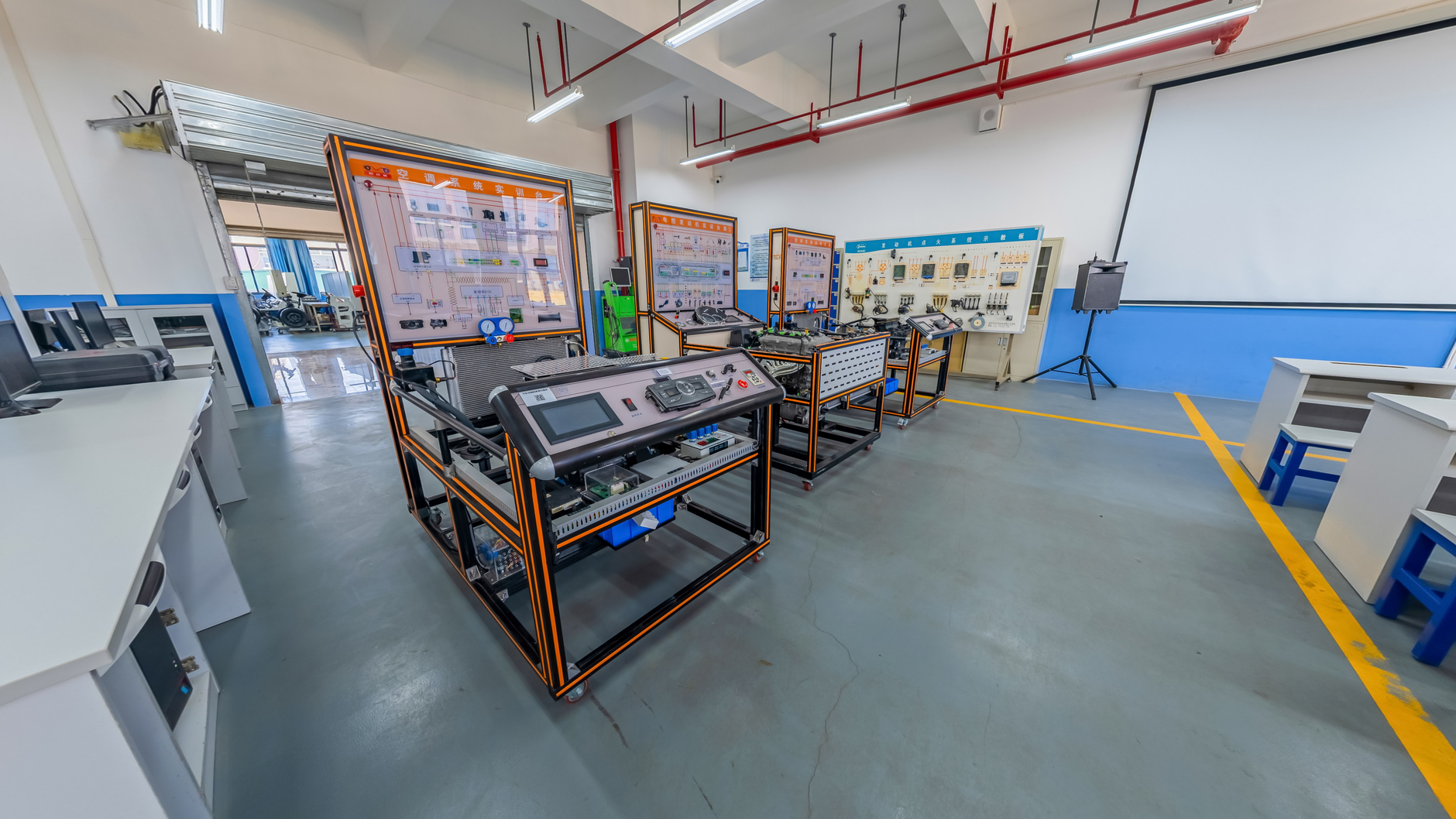
In an ambitious stride towards educational fortitude, the Beijing Agreement has emerged as a beacon for global vocational education cooperation. Signed on the 10th of March, 2025, this pact brings together a consortium of nations, united in their aim to transcend mere resource exchange and move towards a profound integration of vocational curricula.
At the heart of this agreement lies China's Luban Workshop initiative, a programme that has already begun to make waves in developing countries. By equipping workers with high-tech skills tailored to the industrial needs of the 21st century, the initiative promises to bridge the gap between education and employability. It is a move that not only addresses the immediate demands of the workforce but also invests in the long-term economic health of partner nations.
Beyond Resource Exportation
The crux of the Beijing Agreement is its commitment to value co-creation rather than mere resource exportation. The involved parties seek to establish a symbiotic relationship, where educational systems are co-built and tailored to the unique demands of each nation. This approach ensures that vocational education is not a one-size-fits-all solution but a nuanced response to specific regional needs.
The seminar on China-Indonesia Higher Education Cooperation, hosted by the Beijing Municipal Education Commission, exemplifies this ethos. By fostering dialogue between educators and policymakers, the seminar aims to enhance the quality and accessibility of vocational education, particularly in burgeoning markets.
A Strategic Shift in Human Capital Investment
This agreement marks a strategic shift in how countries perceive and invest in human capital. It recognises that in a rapidly globalising economy, the ability to adapt and innovate is paramount. By nurturing interdisciplinary talents, the Beijing Agreement seeks to arm future generations with the skills necessary to thrive in an ever-evolving job market.
Despite these promising developments, the path ahead is not without its challenges. The involved nations must ensure that the cooperation does not remain superficial. True progress will be measured by the depth of integration and the tangible outcomes realised in vocational sectors across the globe.
In conclusion, the Beijing Agreement stands as a testament to the potential of international collaboration in education. By setting a precedent for cooperative vocational training, it not only enhances individual prospects but also paves the way for economic resilience in an interconnected world.