Beijing Paves New Path in Global Vocational Education
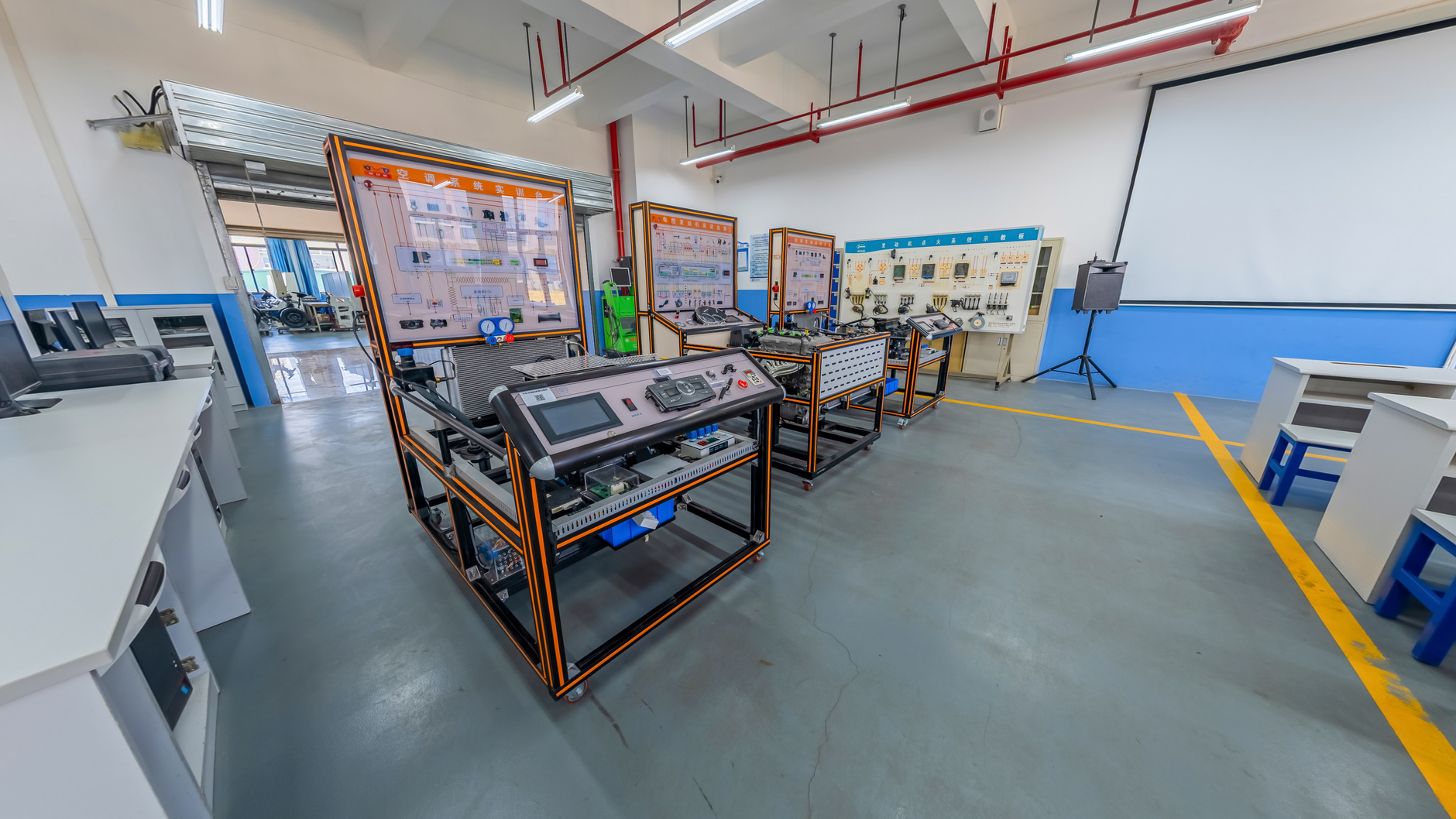
Vocational education is no longer confined to the boundaries of national interests. The recent Beijing Agreement, signed amidst much anticipation, represents a bold step towards internationalising vocational training. It aims to equip the global workforce with the skills necessary to thrive in an ever-evolving industrial landscape.
As part of China's commitment to open and collaborative education, this agreement champions the idea of transcending superficial cooperation. It seeks to create a robust framework where nations can engage in genuine system co-building and value co-creation. The focus is not just on exporting educational resources but on embedding a shared vision for vocational learning.
Building a Global Workforce
The Beijing Agreement has been lauded for its forward-thinking approach, particularly in its ambition to cultivate interdisciplinary talents. This is crucial in an age where industries are increasingly demanding workers who can seamlessly adapt to new technologies and methodologies.
The Luban Workshop initiative, a flagship project under this agreement, exemplifies this vision. By promoting high-tech skills in developing nations, the programme aims to bridge the skill gap and empower workers to meet the dynamic needs of modern industries.
A Shift from Tradition
Traditional vocational education often focused on resource export and project transplantation. However, this agreement marks a shift towards mutual value creation, where participating nations contribute to and benefit equally from shared educational innovations.
An example of this is the partnership established between China's vocational colleges and Germany's Oscar Kemmel Vocational College. This collaboration focuses on training nursing talents, thereby addressing a critical skill shortage in both regions.
By investing in human capital, the Beijing Agreement underscores the importance of education as a cornerstone of economic development. It reflects a growing recognition that a skilled workforce is essential for both national prosperity and international solidarity.