Bengal's Green Tourism Vision: A Harmonious Path Forward
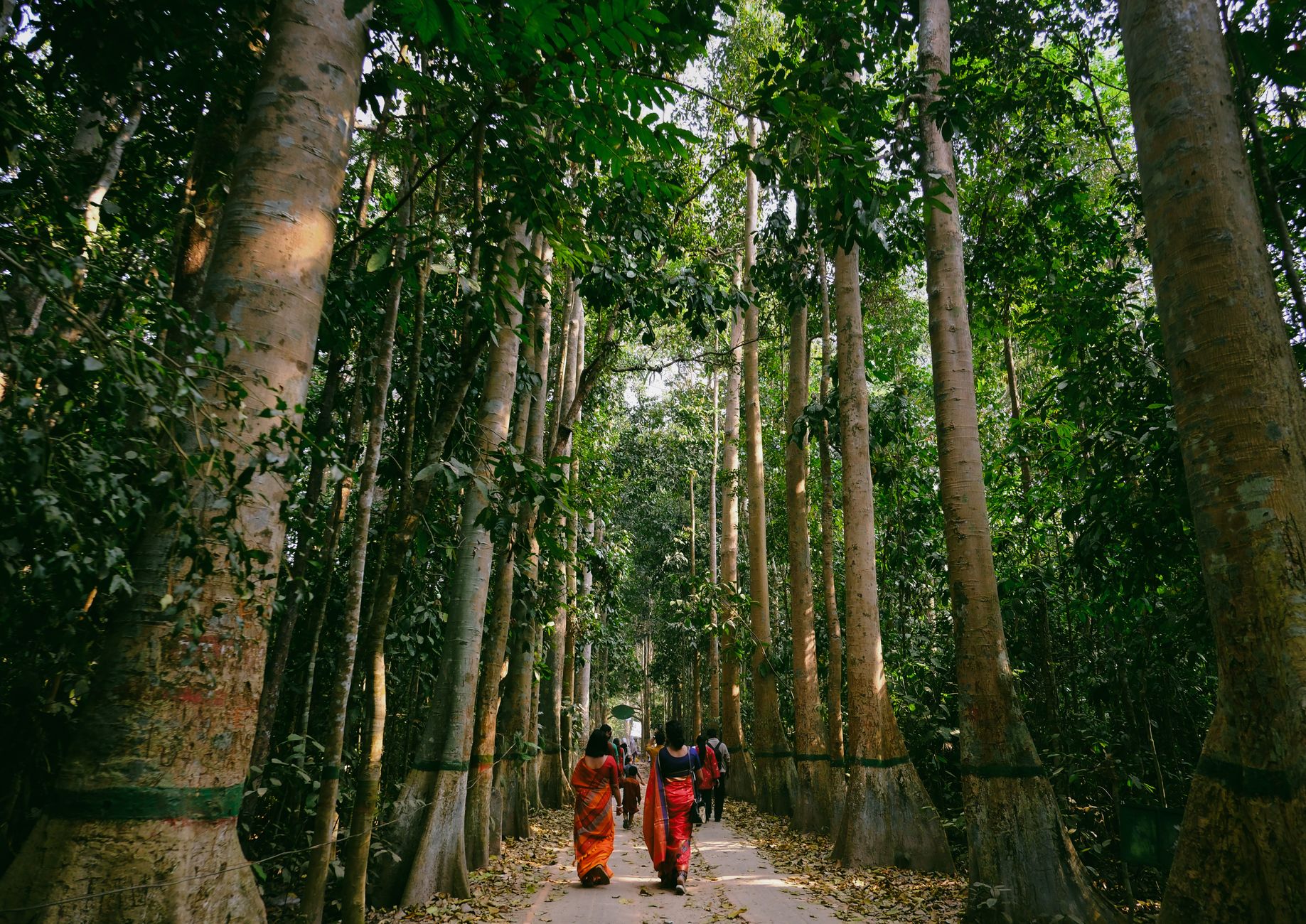
In the lush heartlands of West Bengal, a novel vision is taking root. The state, known for its verdant landscapes and rich cultural heritage, is poised to make green tourism a cornerstone of its economic strategy. Spearheading this initiative is Environment Minister Manoj Kumar Oraon, who has vowed to enforce a rigorous approach towards protecting the state's natural resources.
Speaking at a press conference, Oraon, who represents the forested constituency of Kumargram in Alipurduar, announced a zero-tolerance policy on environmental crimes. He emphasised that new leadership would be instated across key environmental institutions within the month, underscoring the state's commitment to conservation.
Integrating Tourism with Heritage
Meanwhile, the tourism department, led by Minister Dr. Shankar Ghosh, is crafting a complementary strategy. The plan involves a collaborative effort with the forest department and the renowned Darjeeling Himalayan Railway. The goal is to present an integrated tourism experience that highlights Bengal's diverse offerings, from the hills to the coast.
"This is not merely about attracting tourists," Ghosh explained. "We aim to create a sustainable model that supports local communities and preserves our natural and cultural heritage." His vision includes adventure tourism and eco-friendly practices that could serve as models for other regions.
Balancing Growth with Sustainability
While the potential for economic growth is significant, officials are acutely aware of the need to balance development with ecological stewardship. Unplanned tourism, they warn, could lead to environmental degradation and economic fallout. As such, the state is adopting a data-driven approach to ensure that growth is both sustainable and beneficial to local populations.
Consultations with stakeholders across the tourism and hospitality sectors have begun, aiming to shape both a short-term action plan and a long-term strategy. The initiative seeks not only to boost investment and employment but also to enhance connectivity and policy reform.
As Bengal charts this new path, it hopes to set a standard for responsible tourism that other regions might emulate. By synchronising green tourism with forest protection, the state is striving for a future where economic and environmental interests are not at odds, but in harmony.