Bengaluru Merchants Criticise Proposed UPI Charges
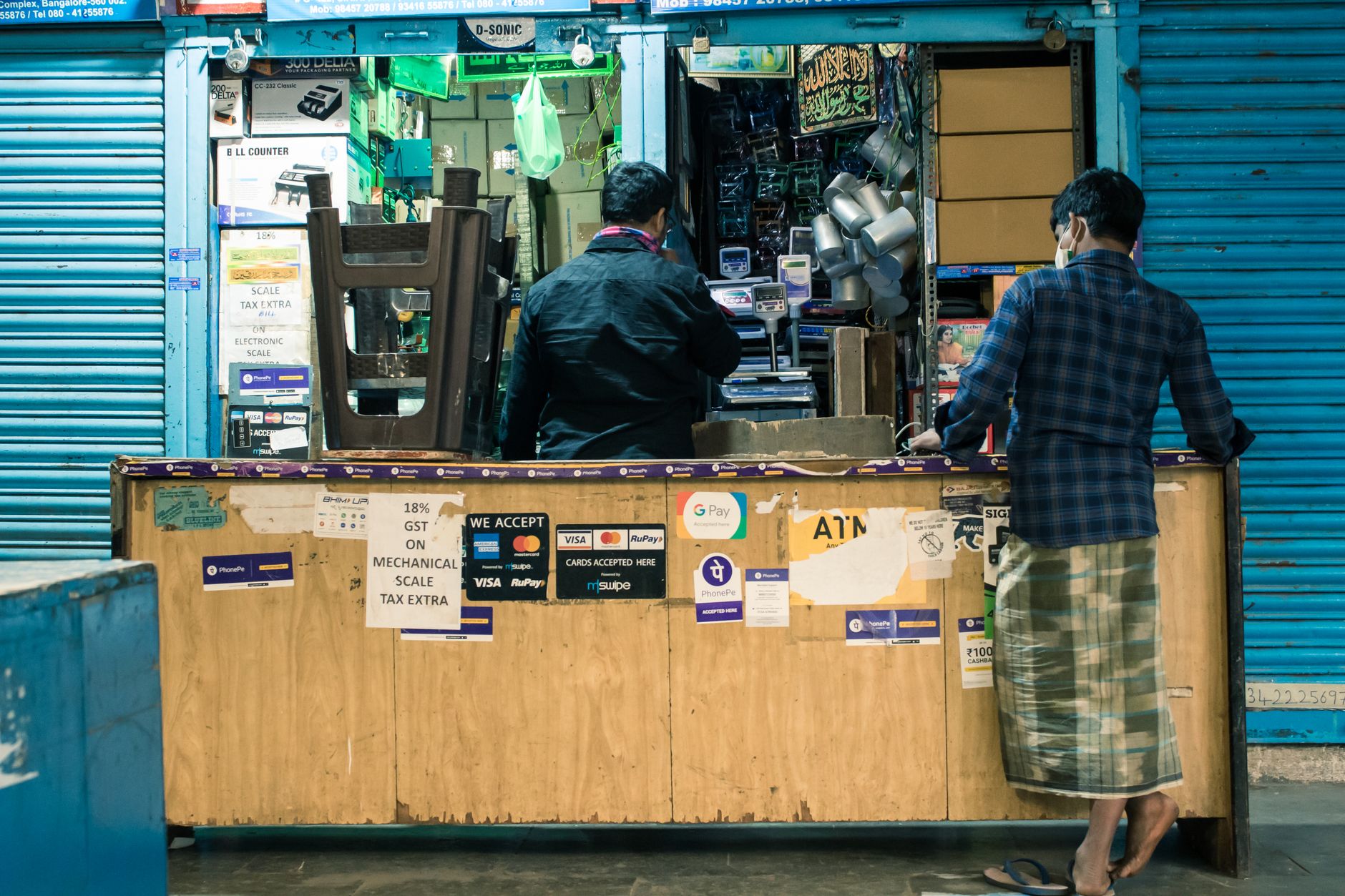
In the bustling city of Bengaluru, a new proposal has raised eyebrows and tempers alike. Merchants from various sectors, including fuel dealers, pharmacies, and restaurant owners, have expressed their discontent over the proposed introduction of a merchant discount rate (MDR) on certain UPI transactions exceeding ₹2,000.
The MDR, a fee that merchants must pay to banks for processing digital payments, is intended to cover operational costs. However, Bengaluru's business community argues that this move might backfire. "It's not just about the additional cost," said a local restaurant owner. "It's about discouraging the very digital payments that we've worked hard to promote among our customers."
The concern is not unfounded. Digital transactions have become the lifeblood of many businesses, especially in a tech-savvy city like Bengaluru. The introduction of such charges could potentially push consumers back towards cash payments, undermining years of effort to shift towards a cashless economy.
Impact on Small Businesses
For small to medium-sized enterprises, which form the backbone of Bengaluru's vibrant economy, the impact could be particularly severe. "Margins are already thin," said a pharmacy owner, highlighting the struggle many small businesses face in maintaining profitability amid rising costs and competition.
While the larger corporations might absorb the costs, smaller businesses fear they may have no choice but to pass these charges onto consumers, potentially driving away loyal customers.
Looking Ahead
As the debate rages on, many are calling for a re-evaluation of the proposed charges. Some suggest that the government or banks could explore alternative ways to subsidise operational costs, rather than placing the onus on merchants.
What remains clear is the need for a balanced approach that supports both the financial ecosystem and the businesses that rely on it. As Bengaluru continues to grow as a global tech hub, the decisions made today will undoubtedly shape the economic landscape of tomorrow.