Beyond Access: The Real Educational Needs of Migrant Children
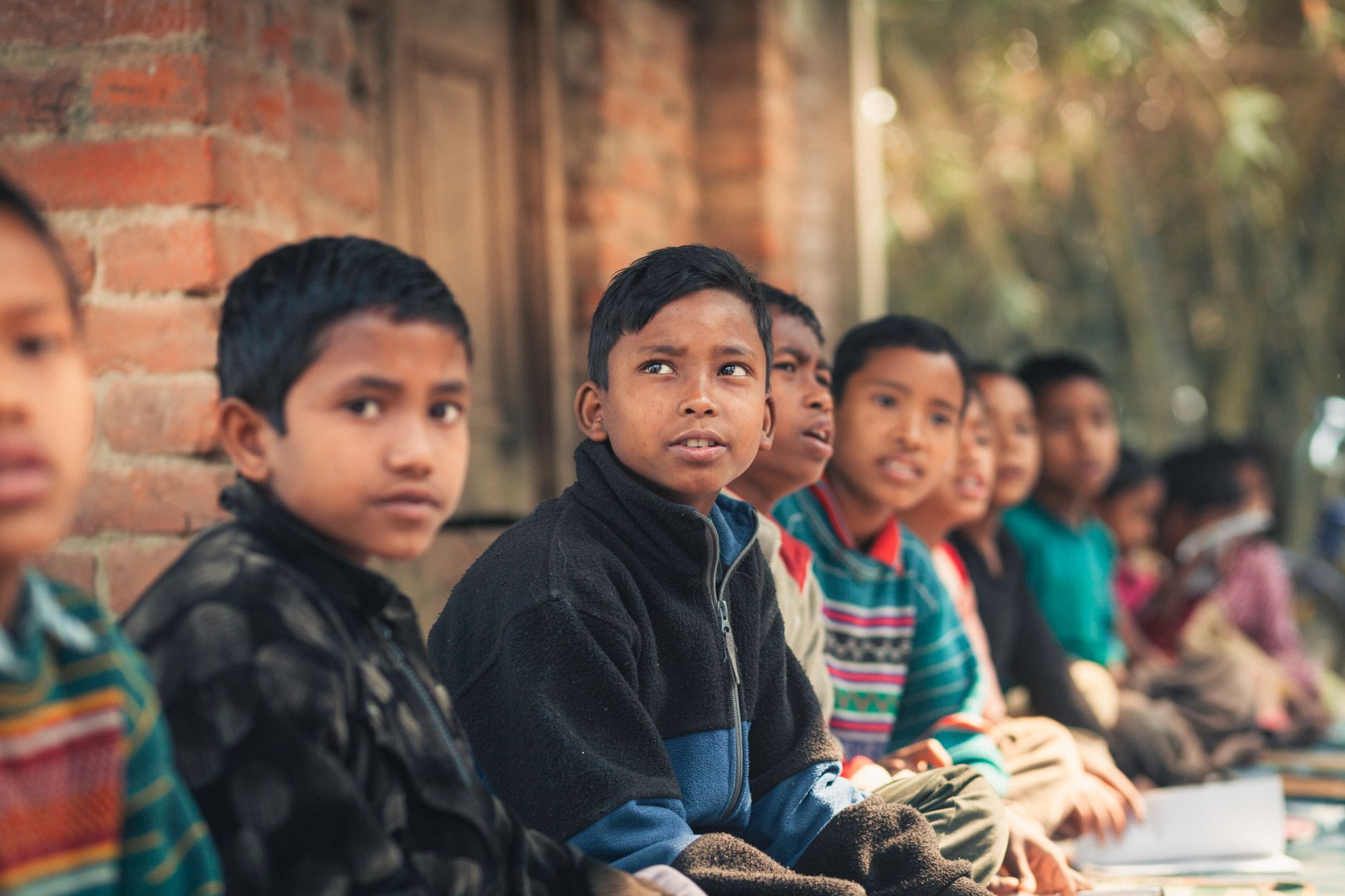
In a sunlit classroom in Santiago, a group of children sit in orderly rows, their faces a kaleidoscope of anticipation and timidity. Amongst them are the sons and daughters of migrants, their families having uprooted their lives in search of a better existence. Here, at least, they have a chance to learn. But is access to schooling enough?
Across Chile, and indeed globally, the debate rages on. While efforts to integrate migrant children into educational systems have seen progress, true equity remains elusive. The crux of the matter isn't merely about opening school doors; it's about crafting an environment where these children can truly thrive.
Beyond the Basics
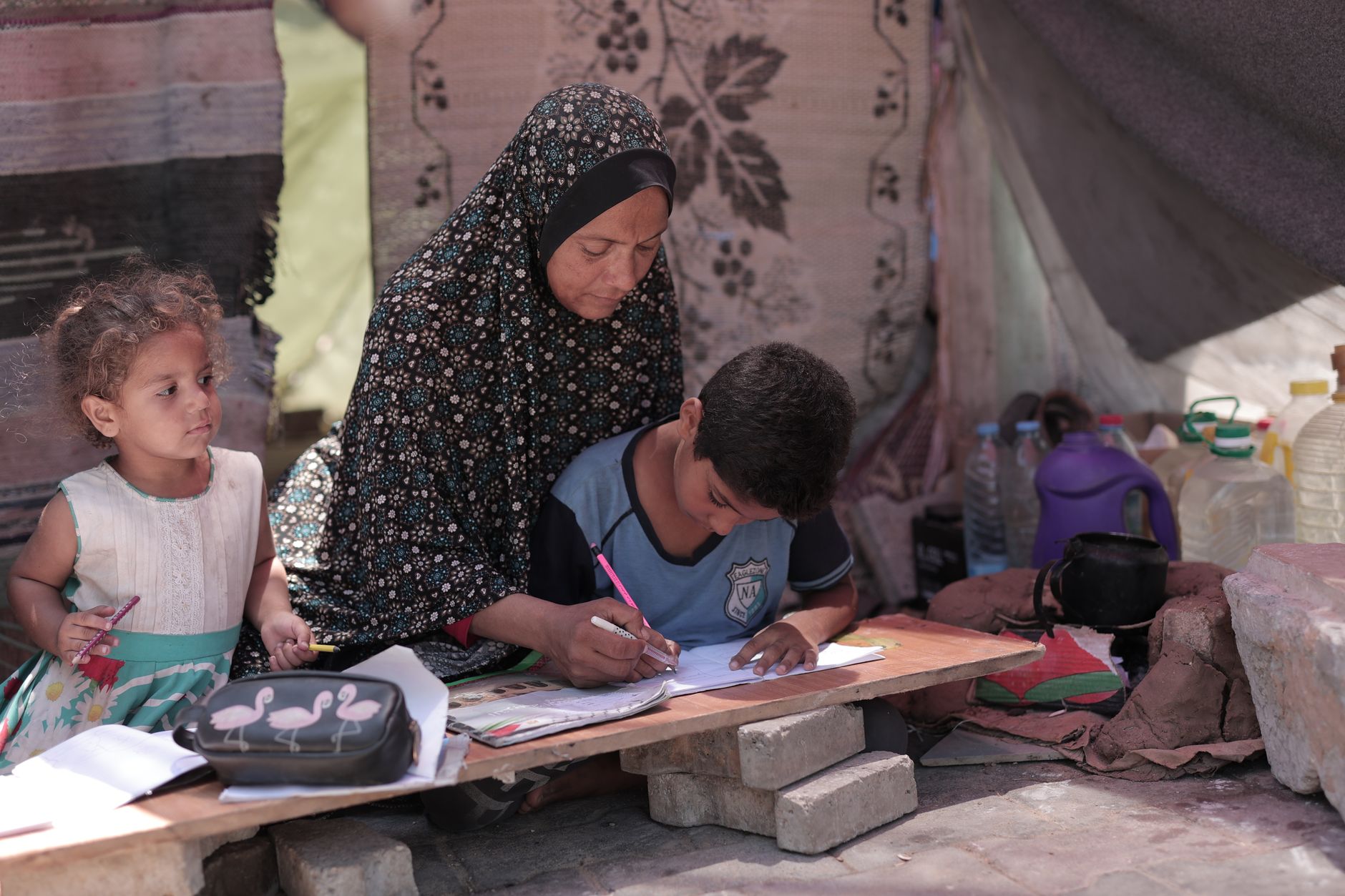
Intercultural education policies are a step in the right direction, yet they often fall short of addressing the lived experiences of migrant children. These students frequently face language barriers, cultural differences, and economic hardships that can hinder their educational journey. It's not uncommon for a child to sit through classes without comprehending the language of instruction, their potential stifled by an invisible wall of misunderstanding.
Moreover, the lack of tailored support systems means that many migrant children struggle to keep pace with their peers. Remedial programmes and language support are essential, yet they are often sporadic and insufficient. For these children, the path to education is fraught with obstacles that require more than just perseverance to overcome.
A Call for Adaptive Systems
What is needed is an education system that recognises and adapts to the fluid realities of migrant life. This includes early childhood programmes that build foundational readiness, as well as secondary support mechanisms to bridge learning gaps. Schools must become more than just educational institutions; they must be sanctuaries of understanding and opportunity.
Countries like Mexico have taken steps by ensuring that lack of documentation does not bar migrant children from entering the school system. Yet, the challenge remains to provide an education that is not only accessible but also meaningful and empowering.
The stakes are high. Education is pivotal in breaking cycles of poverty and opening doors to better futures. For migrant children, it is nothing short of a lifeline. Without a concerted effort to provide equitable education, these young minds risk being left behind, their potential untapped and their dreams deferred.