Bird Traits Hold the Key to Varied Responses to Environmental Change
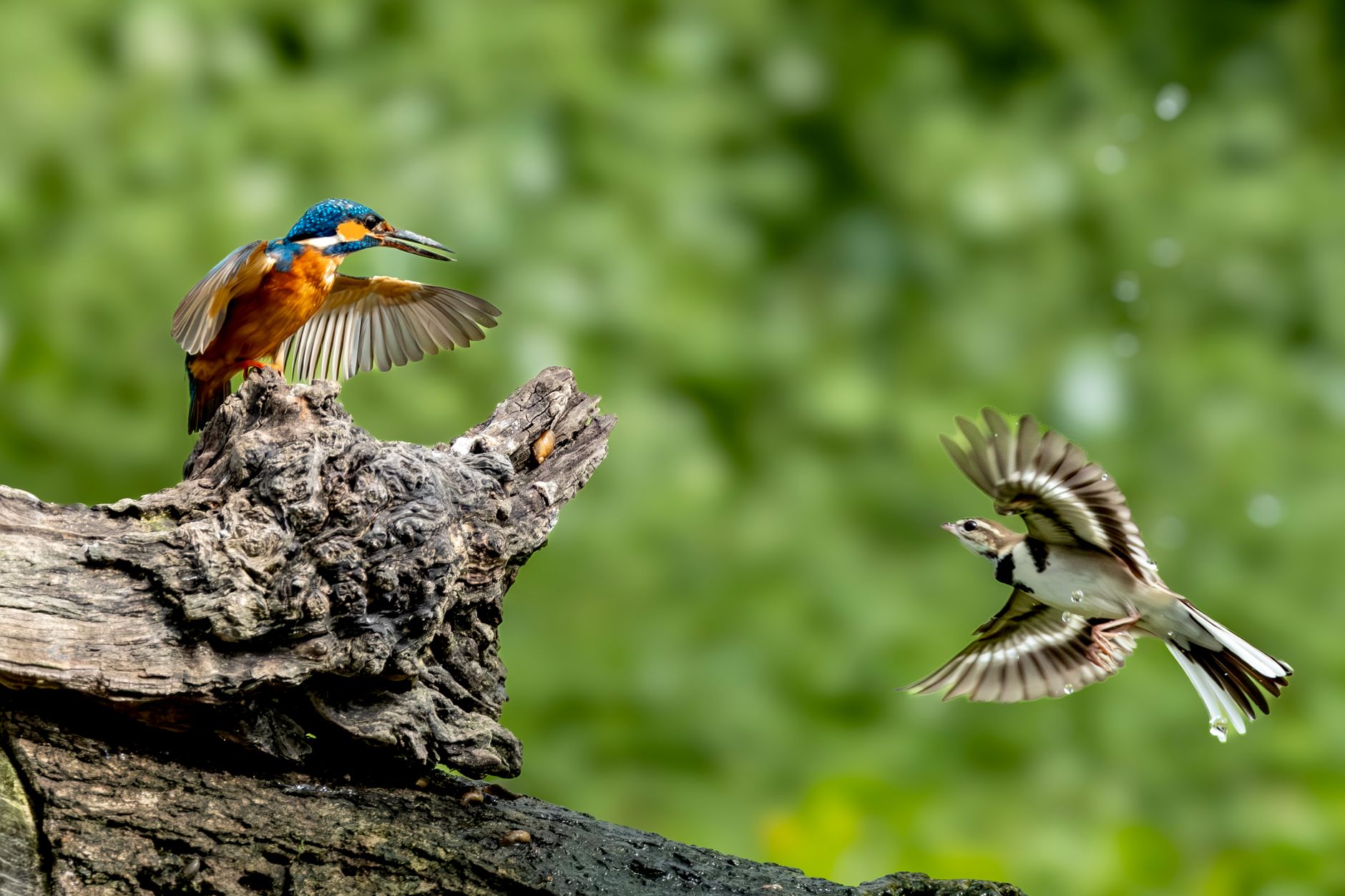
In the realm of biodiversity, not all wings are equal. A groundbreaking study by Cal Poly researchers has unveiled that the response of North American birds to environmental changes is as varied as the birds themselves, with their traits offering a compass to navigate these shifts.
A bird's ability to adapt to changing environments is intricately linked to its inherent characteristics. The study, published in the journal Current Biology, casts light on how features such as vision, flight behaviour, climate preference, and vocal traits play vital roles in determining whether bird populations flourish or falter.
Dr. Emily Shultz, the leading researcher, noted, "Our findings suggest that it's not merely the environment changing around them, but how these birds are equipped to handle those changes that determines their survival." Her team analysed data from a plethora of bird species across North America, discovering significant variations in how each species copes with new environmental pressures.
The Role of Traits
Traits such as a bird's flight speed or its preference for a particular climate zone can heavily influence its fate. For instance, birds with robust flight capabilities may relocate more effectively in response to habitat disruptions, while those attuned to a specific climate might struggle as temperatures swing.
Shultz's study also highlighted the impact of vocal communication. Birds that rely heavily on sound to socialise and reproduce may find themselves at a disadvantage if their calls are drowned out by increased environmental noise.
Implications for Conservation
The implications of these findings are profound for conservationists. Understanding which traits benefit or hinder birds in changing environments allows for more precise conservation strategies. Instead of a one-size-fits-all approach, conservation efforts can now tailor their strategies to support species most at risk.
This research is a clarion call for deeper exploration into the trait-environment nexus, a complex web that holds the future of many avian species. As climate change continues to reshape habitats, the importance of such studies cannot be overstated.
The study’s insights underscore a crucial point: the survival of bird species amid environmental changes is not just a matter of chance but of a finely tuned interplay between nature and nurture.