Birth Order's Unexpected Role in Disease Risk Unveiled
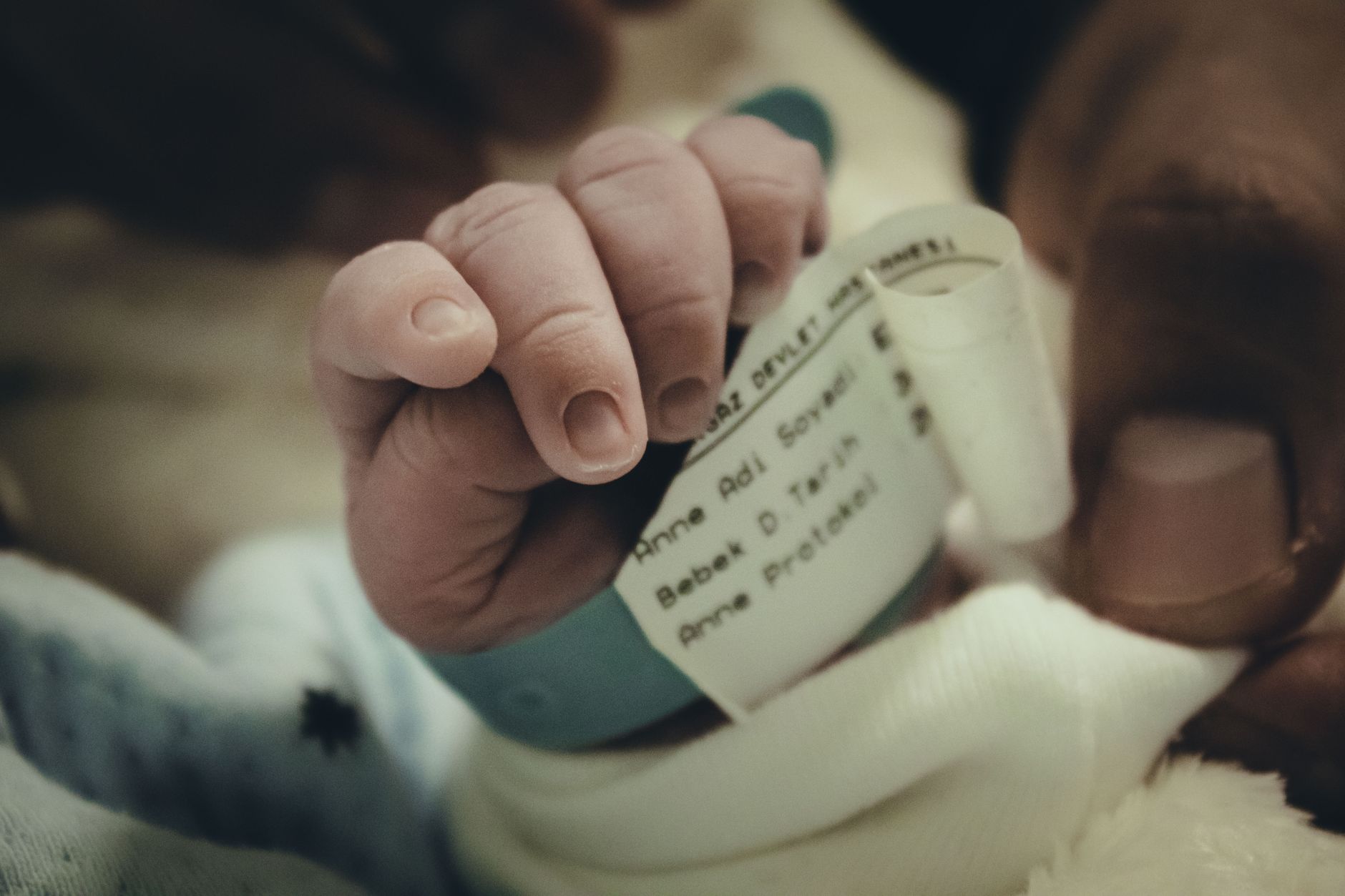
In a development that could reshape our understanding of familial health, a study published in Nature has thrown new light on the subtle yet significant influence of birth order on disease risk. The investigation, spearheaded by Benjamin Kramer and his team, examined data from an astonishing cohort of over 10 million individuals. Their findings suggest that birth order is not merely a matter of sibling rivalry or parental attention, but a potential determinant of one's health fate.
The study meticulously analysed phenotypic traits across diverse populations, revealing patterns that defy simplistic explanations. First-borns, often associated with leadership and responsibility, also seem to carry a higher risk for certain diseases. Conversely, those further down the sibling line appear to exhibit different vulnerabilities.
Unseen Patterns
Researchers were particularly intrigued by the breadth of diseases linked to birth order, ranging from cardiovascular conditions to mental health disorders. The implications are profound, suggesting that the sequence of one's birth could be as influential as genetics or lifestyle in determining health outcomes.
A key insight from the study is the concept of 'universal exposure'—birth order is an inevitable aspect of life for the entire population, unlike more variable factors such as diet or exercise. This universality provides a unique lens through which to examine health disparities.
A New Paradigm in Health Analysis
Kramer and his colleagues propose that these findings could pave the way for more nuanced public health strategies. By understanding the inherent risks associated with birth order, healthcare providers might better tailor preventative measures and interventions.
While the study stops short of prescribing specific medical actions, its implications are clear. Birth order, long considered a trivial familial curiosity, emerges as a significant player in the arena of health risk. As researchers delve deeper, the hope is to uncover mechanisms driving these associations, ultimately leading to more personalised healthcare.