BP's North Sea Exit: End of an Era for British Oil Exploration
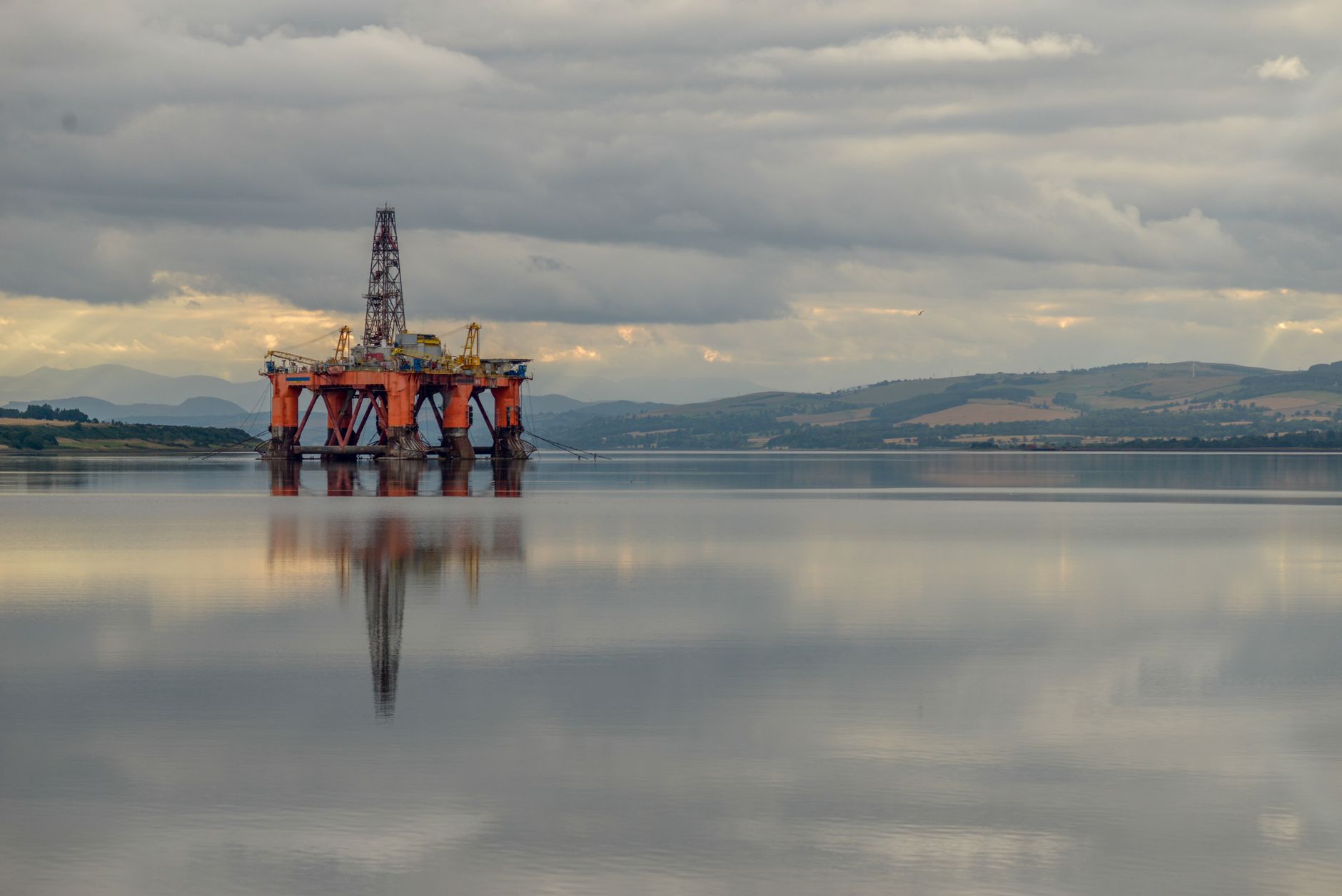
In a move that echoes the shifting tides of energy priorities, BP has announced the sale of its North Sea oil and gas business, bringing to a close an era that spans six decades. From the pioneering days of offshore drilling to the present, the North Sea has been a cornerstone of BP's operations. Now, the British energy giant is poised to chart a new course.
BP's decision, while momentous, is not entirely unexpected. The North Sea, once bustling with rigs and exploration, is now facing the harsh realities of an ageing basin and increasing environmental scrutiny. BP, like many in the industry, is under pressure to adapt to the changing energy landscape, where renewable sources are gaining traction.
This strategic withdrawal aligns with BP's broader commitment to achieving net-zero carbon emissions by 2050. As part of this vision, BP is reassessing its global portfolio, shedding assets that no longer align with its future focus. The North Sea, with its dwindling returns and mounting environmental concerns, seems a natural choice for divestment.
A Symbolic Shift
For the UK, BP's exit from the North Sea represents more than just a business decision; it marks a symbolic shift in the nation's energy narrative. The North Sea, a once-vibrant hub of economic activity, is increasingly seen as a 'toxic, declining basin,' as Greenpeace UK’s Angharad Hopkinson starkly put it.
The climate crisis, manifesting in wildfires and droughts across Europe, is also forcing companies to rethink their roles. BP's move might be the canary in the coalmine, signalling a broader industry trend towards more sustainable practices. As traditional energy firms recalibrate, the UK faces the challenge of balancing economic interests with environmental imperatives.
Investors and industry watchers will undoubtedly be keen to see who steps into BP’s shoes. While the sale may attract interest, the future of the North Sea remains uncertain. As BP turns its gaze elsewhere, possibly towards greener pastures, the question remains: what will become of the North Sea's legacy?