Breakthrough Discovery: Rapid Reversal of Coral Bleaching
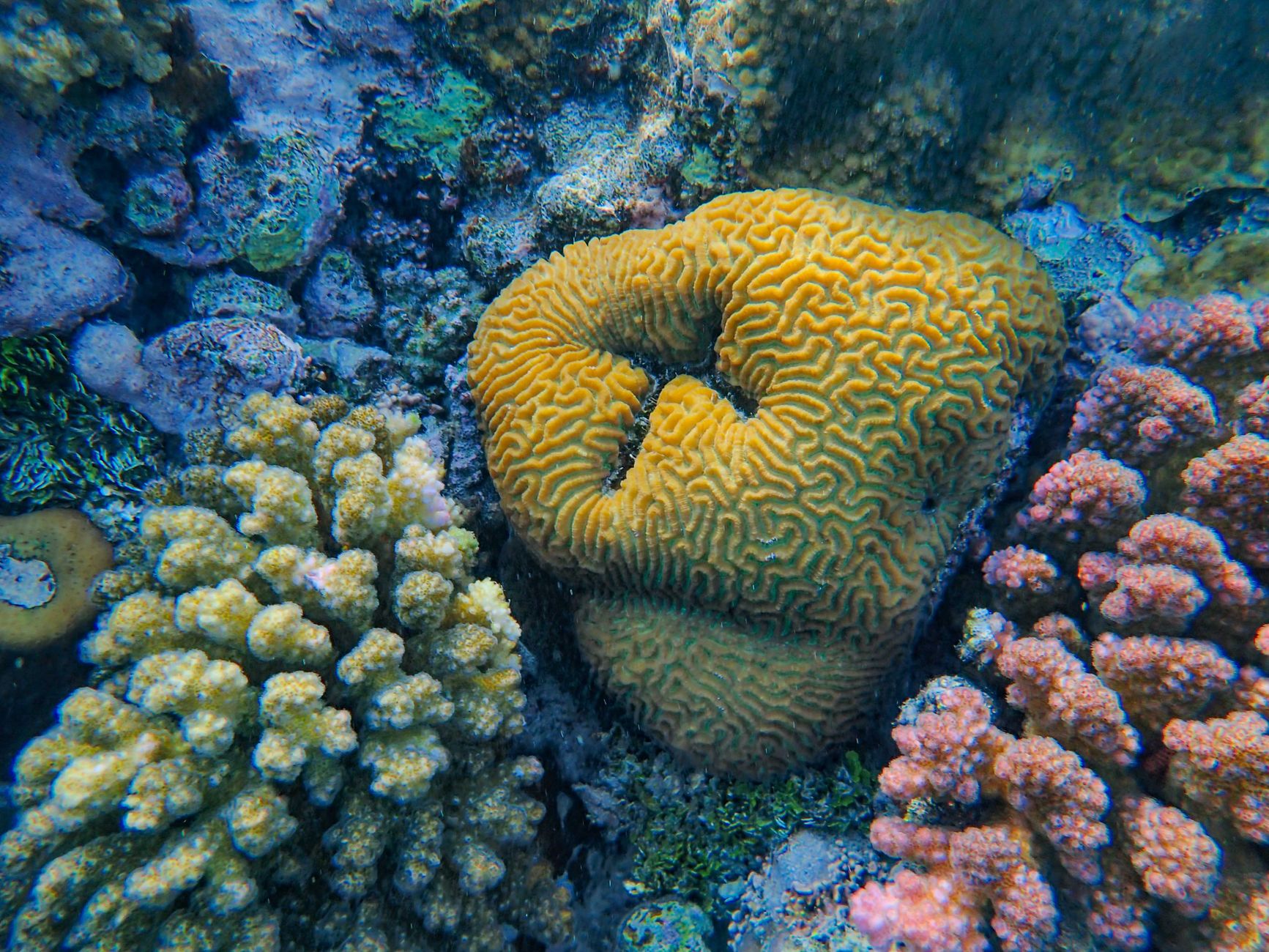
In a remarkable stride for marine conservation, scientists at Stanford University have devised a method to reverse coral bleaching with unparalleled speed. This breakthrough discovery offers a glimmer of hope for the earth's beleaguered coral reefs, which have long been on the frontline of climate change's damaging effects.
Traditionally, coral bleaching, a phenomenon where corals lose their vibrant colours and turn white due to stress factors like rising sea temperatures, has been a death knell for many reefs. However, the Stanford team, part of the Doerr School of Sustainability, has astoundingly managed to reverse this process in just seven weeks by facilitating interaction between bleached corals and their healthy counterparts.
The Method Unveiled
At the heart of this pioneering approach lies a simple yet effective technique. By allowing brief contact between bleached corals and healthy clones, the researchers observed a swift recovery process. This method not only restores the corals' colours but also rejuvenates their overall health, enabling them to thrive once more.
Professor Sadie Harley, who led the study, explained, "This is a significant leap forward in our efforts to protect coral reefs. The speed at which recovery occurs is unprecedented and could be pivotal in our battle against the detrimental impacts of climate warming on marine ecosystems."
Implications for the Future
The ramifications of this discovery are profound. Coral reefs, often referred to as the rainforests of the sea, support an immense diversity of marine life. Their survival is crucial not only for the underwater ecosystem but also for the millions of humans who rely on them for food, tourism, and coastal protection.
While previous efforts have focused on breeding heat-resistant corals or cultivating nurseries, the new technique could complement these strategies by accelerating recovery times post-bleaching events. This could be particularly beneficial in regions where coral reefs are integral to local economies and environmental stability.
However, experts caution against viewing this as a panacea. As Robert Egan, a peer reviewer of the study, notes, "While this advancement is promising, it should be used in conjunction with broader climate action. Without tackling the root causes of coral stress, such as global warming and ocean acidification, long-term solutions remain elusive."
This discovery, while a beacon of hope, underscores the need for a concerted effort in mitigating climate change and protecting our planet's invaluable marine life.