Breakthrough in Coral Revival: Healing at Unprecedented Speed
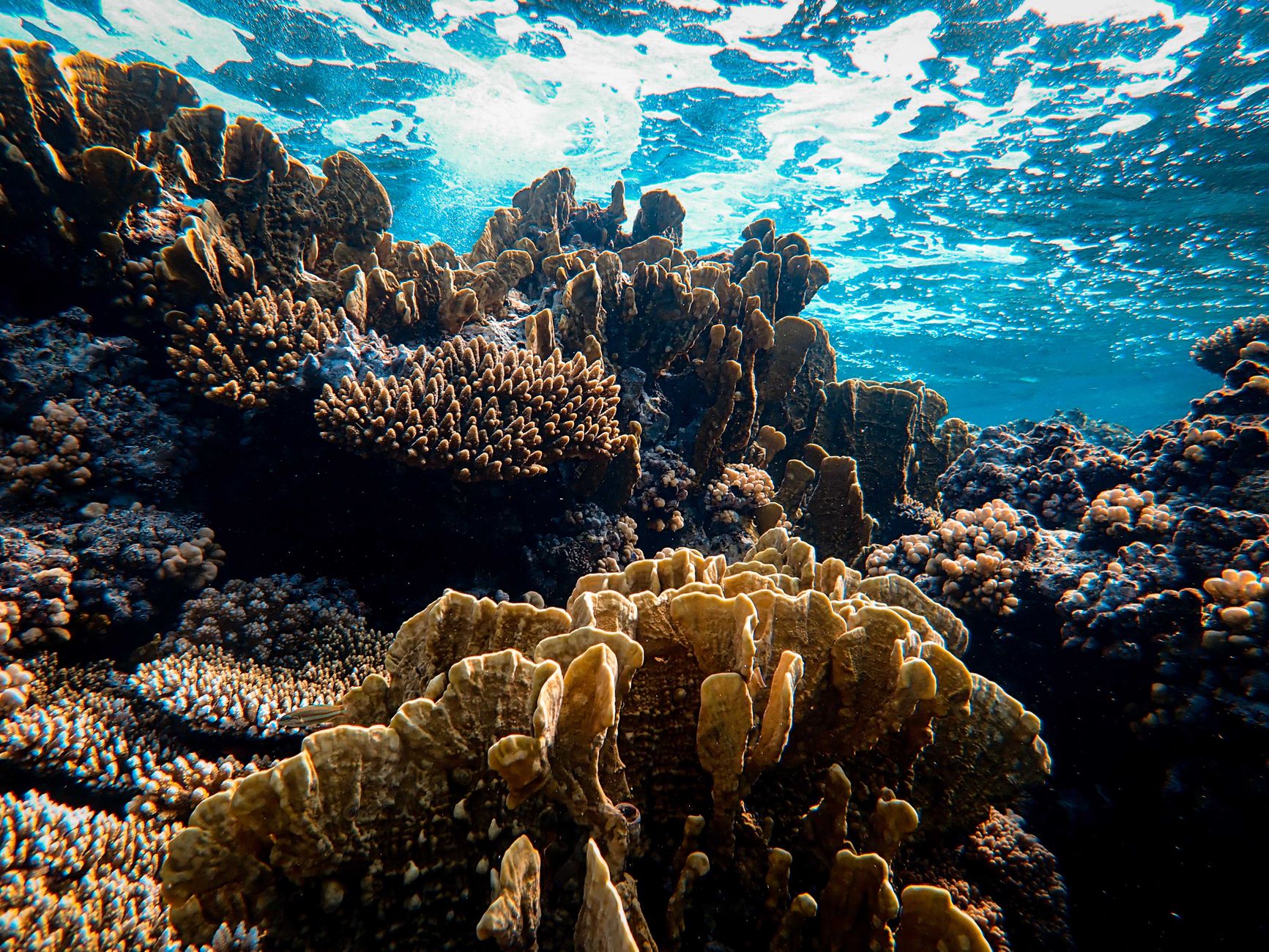
In the often unforgiving world of marine ecosystems, a glimmer of hope has emerged from the depths. Scientists have discovered a method to reverse coral bleaching with a speed that might just be termed miraculous. The secret? A simple, yet profound, touch.
Research led by an international team has found that placing sick corals in direct contact with healthy specimens of the same genetic lineage can spur recovery at a rate previously thought impossible. This approach, tested on the Pocillopora damicornis — commonly known as cauliflower coral — has shown incredible promise.
The Science Behind the Touch
The mechanism seems rooted in the natural resilience of coral ecosystems. Coral bleaching, a distress signal from reefs, occurs when environmental changes, notably a rise in water temperature, cause corals to expel the symbiotic algae living in their tissues. These algae are crucial for coral survival, providing up to 90% of their energy. Without them, corals turn white and, if conditions persist, die.
By positioning ailing corals next to their healthier counterparts, scientists observed a rapid transference of beneficial bacteria and other microscopic life forms, effectively jump-starting the recovery process. This not only restored the lost colour but also fortified the corals against future bleaching events.
Implications for Global Reefs
With the threat of global warming looming large, coral reefs face existential peril. A meagre increase of two degrees Fahrenheit can trigger widespread bleaching. The Great Barrier Reef, for instance, is predicted to become a geological relic in mere decades if warming trends continue.
This breakthrough offers a glimmer of optimism. While not a panacea, it represents a significant step towards protecting some of the planet's most diverse ecosystems. By harnessing the resilience inherent in coral genetics, there's potential not just for recovery, but for long-term sustainability.
As scientists continue to refine this technique, the hope is that it can be scaled to larger reef systems, offering a lifeline to these crucial underwater habitats. In a world where marine life often bears the brunt of human-induced climate shifts, such innovations are not just welcome; they are imperative.