Breakthrough in Dentistry: A Drill-Free Solution to Cavities
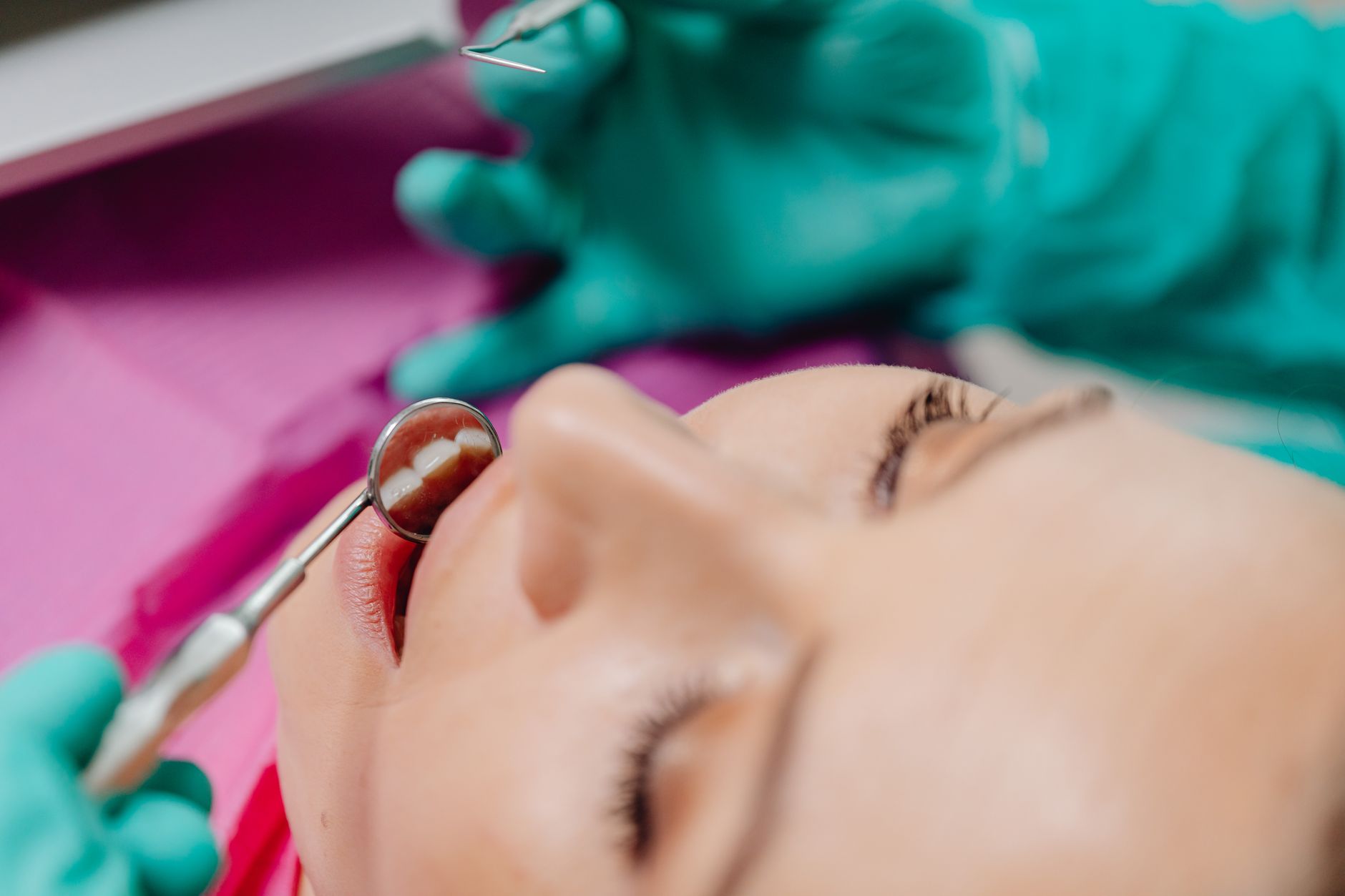
Imagine taking your child to the dentist and leaving without the dread of the drill. Thanks to a recent scientific breakthrough, this could soon be a reality. Researchers in the United States have discovered that a simple liquid, silver diamine fluoride (SDF), can arrest the progression of dental cavities without the need for invasive procedures.
The key appeal of SDF lies in its simplicity and efficiency. Applied directly onto the teeth, this liquid has been shown to stop decay in more than half of the treated baby teeth. Crucially, this approach requires no drilling, shots, or sedation, making it an attractive alternative to conventional dental treatments.
A Revolutionary Approach
Dental cavities, a common affliction among children, have often necessitated uncomfortable and sometimes traumatic dental visits. This new method could transform the way dentists address cavities, particularly in young patients who often find traditional treatments distressing.
However, SDF does come with a cosmetic caveat. The application of the liquid results in the darkening of the decayed area, an aspect that might be less appealing to some. Despite this, the benefits in terms of health and comfort appear to outweigh the aesthetic concerns.
Implications for Public Health
The potential public health implications of this discovery are significant. Dental treatments that are both affordable and non-invasive could greatly improve access to care, especially in underprivileged communities. Furthermore, by reducing the need for complex dental procedures, SDF could alleviate the burden on dental professionals and healthcare systems alike.
As researchers continue to explore the wider application of this treatment, there is optimism that it could soon receive broad approval for use across the United States and potentially beyond. This would mark a significant step forward in making dental care more accessible and less daunting for patients of all ages.
This breakthrough is not just a win for the scientific community but a potential lifeline for millions who dread the dentist's chair. In the words of one delighted parent, 'It's a relief to know that my child's dental visit won't be filled with fear and anxiety.'