Breakthrough: Rare Queen of Sheba Orchid Blooms from Cloning Effort
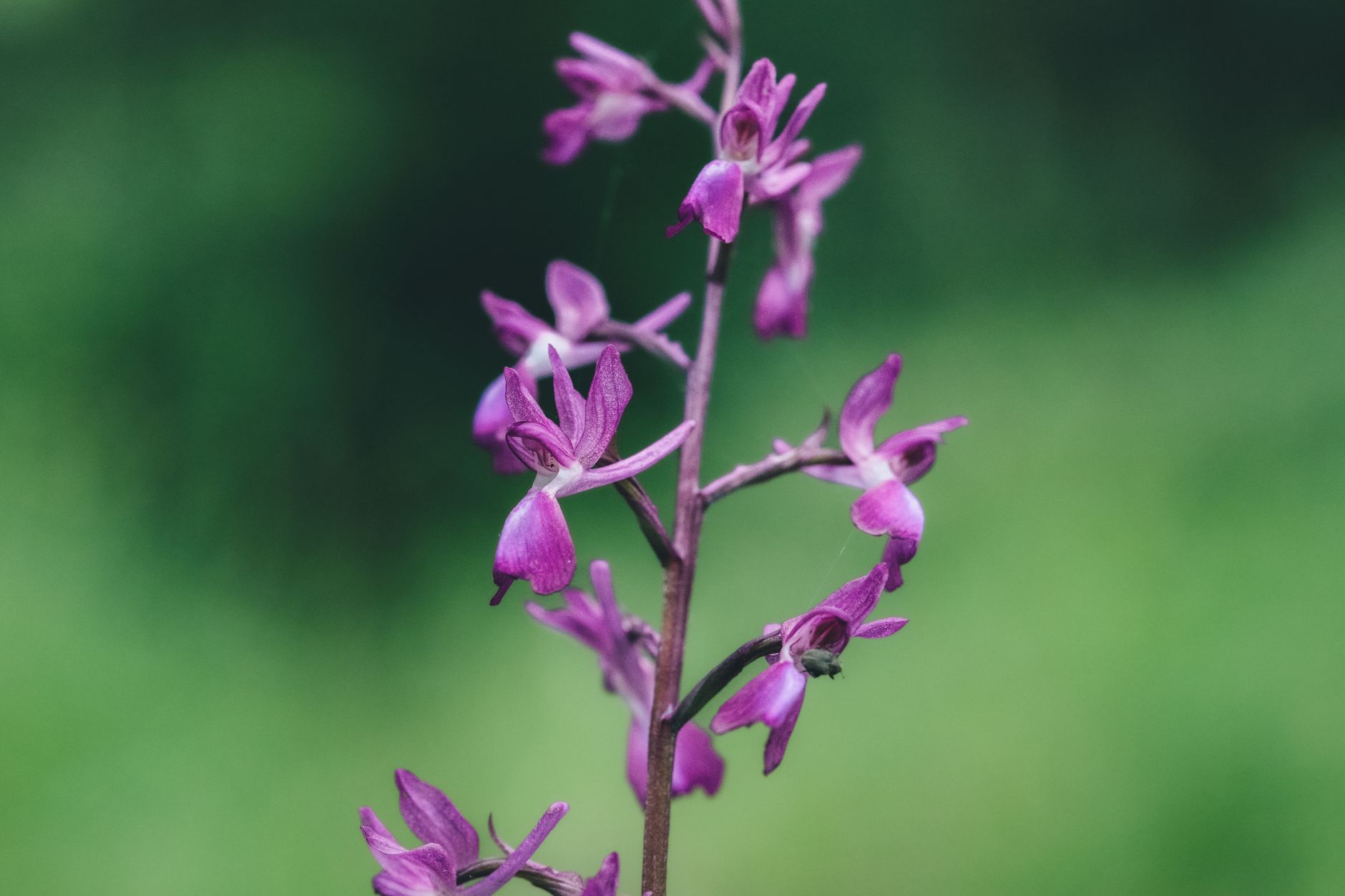
In an extraordinary twist of fate, a single seed has blossomed into a beacon of hope for conservationists worldwide. The Queen of Sheba orchid, one of the planet's most elusive flowers, has defied its near-extinct status in a spectacular fashion. Five years ago, a team of determined Australian scientists embarked on an ambitious project to clone this rare orchid, and their patience has finally been rewarded.
From that solitary seed, nurtured within the confines of a laboratory, has sprung a veritable garden of 1,000 plants, culminating in the first bloom of this cloned generation. The Queen of Sheba, known for its striking beauty and rarity, is native to a small area near Bremer Bay, some 500 kilometres southeast of Perth. Its blooms have long been the stuff of legend among botanists and plant enthusiasts.
The Science Behind the Success
The success of this cloning effort is rooted in the precise mimicry of natural conditions. The team, led by Cam Campbell, carefully replicated the environmental cues essential for the orchid's growth. This included simulating the buzzing of bees, which are crucial for the plant's natural pollination. The result is not just a scientific triumph but a testament to the intricate dance between nature and technology.
Moreover, the flowering of the Queen of Sheba orchid signifies a milestone in botanical conservation, highlighting the potential of cloning as a tool for preserving endangered species. It's a reminder that the delicate balance of ecosystems can indeed be tipped back towards stability with human intervention.
Implications for Conservation
The implications of this breakthrough extend beyond the boundaries of Western Australia. With many plant species facing the threat of extinction due to climate change, habitat loss, and human activity, the successful cloning of the Queen of Sheba offers a glimmer of hope. It suggests that other endangered plants might also be saved from oblivion through similar methods.
As the world grapples with biodiversity loss, the blooming of the Queen of Sheba orchid serves as a poignant symbol of resilience and hope. It reminds us of the enduring beauty of nature and the need for concerted efforts to protect it. The next chapter in the story of the Queen of Sheba is yet unwritten, but its future now seems brighter than it has for decades.