BRICS Nations Challenge EU's Carbon Border Tax Proposal
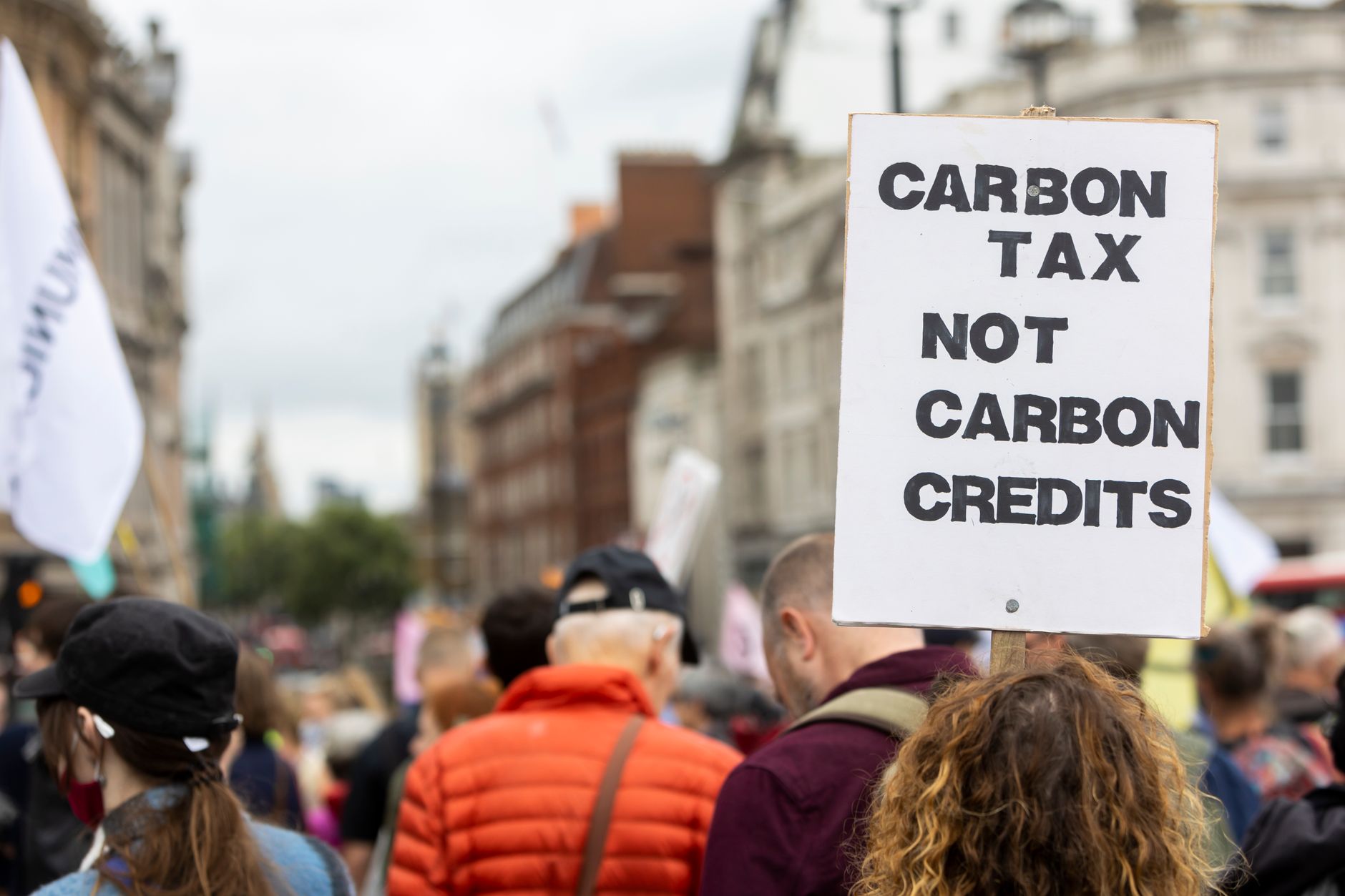
In a formidable show of unity, environment ministers from the BRICS nations have openly opposed the European Union's proposed Carbon Border Adjustment Mechanism (CBAM). The ministers argue that such measures could seriously undermine efforts by developing countries to combat climate change, casting a shadow over the EU's ambitious Green Deal.
India, along with Brazil, Russia, China, and South Africa, has expressed concern that the CBAM, set to be formalised by 2026, might exacerbate existing economic disparities. According to India's Ministry of Environment, the tax could potentially cost the country $551 million in steel exports alone by 2034. This poses a significant threat to industries in emerging economies that are already grappling with the challenges of transitioning to greener practices.
Economic Implications and Global Trade
The EU argues that the CBAM is a necessary step to ensure that its own efforts to reduce carbon emissions are not undermined by imports from countries with looser environmental regulations. However, critics, including the BRICS ministers, claim that such a move is nothing short of trade discrimination, disproportionately affecting nations that are still developing their capacities to address climate change.
The proposal has ignited a debate on the fairness and efficacy of imposing environmental standards across borders. While the EU insists that the tax is a critical tool in the global fight against climate change, opponents argue that it could lead to a form of 'green protectionism', ultimately hindering international cooperation.
Moving Forward
As the EU moves forward with its plans, the opposition from BRICS highlights the need for a more inclusive dialogue on global environmental policies. The ministers have called for solutions that consider the unique challenges faced by developing nations, advocating for support rather than punitive measures.
In the coming months, the spotlight will be on how the EU navigates these geopolitical tensions. The CBAM could indeed become a touchstone for future international climate agreements, testing the world's ability to balance environmental responsibility with economic equity.