BRICS Nations Challenge EU's Carbon Tax at Environmental Summit
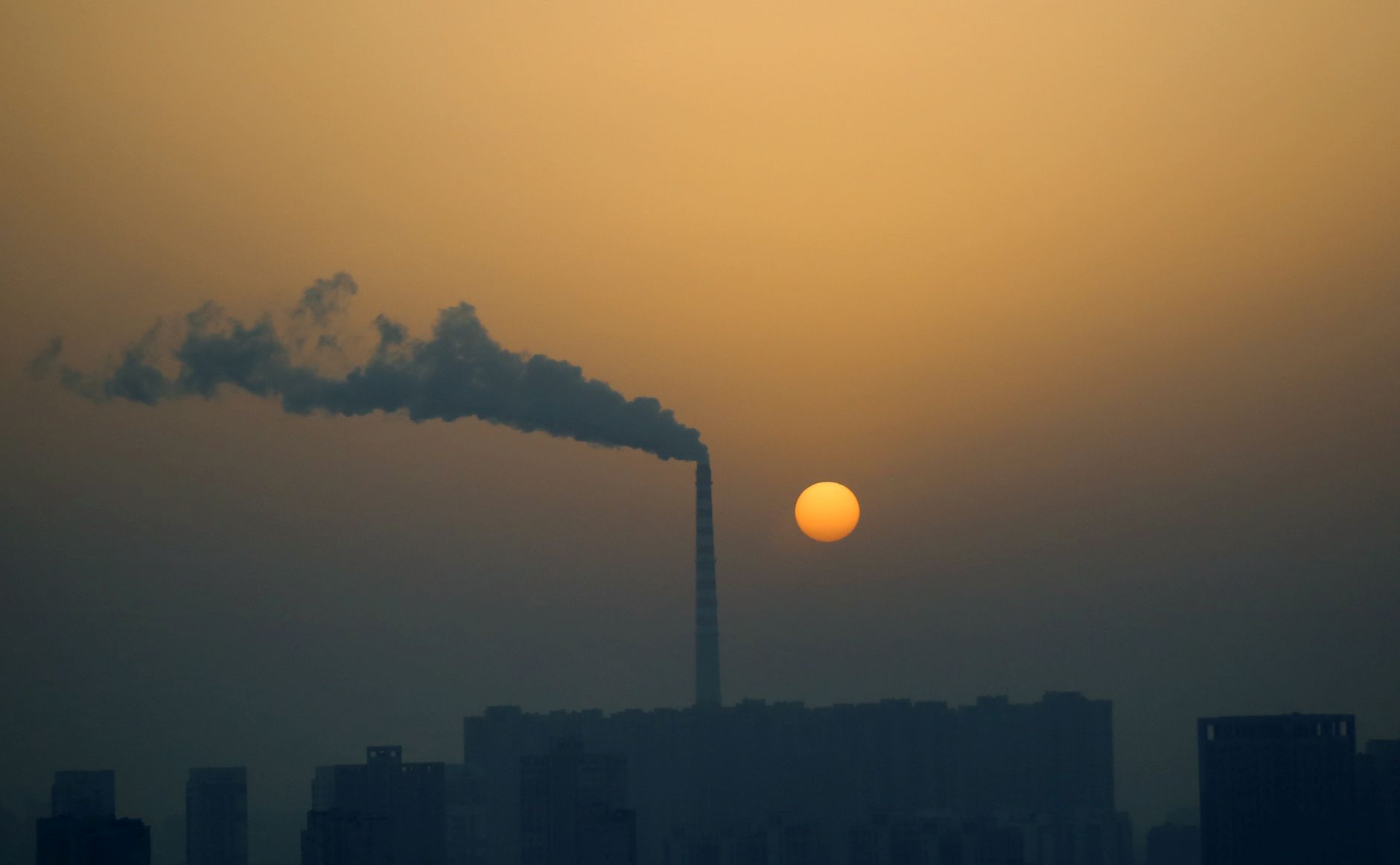
Amidst rising tensions over climate policies, the BRICS nations have taken a firm stand against the European Union's Carbon Border Adjustment Mechanism (CBAM). At the 12th BRICS Environment Ministers’ Meeting in New Delhi, representatives from Brazil, Russia, India, China, and South Africa collectively voiced their disapproval of the EU’s approach, branding it as 'unilateral, punitive, discriminatory, and protectionist'.
The CBAM aims to impose tariffs on imports from nations with looser carbon emissions regulations. The EU argues this is necessary to prevent carbon leakage, where companies might relocate to countries with more lenient environmental laws. However, BRICS countries see this as an economic barrier that unfairly targets developing economies.
Economic Implications
The ministers emphasised that such measures could severely impact sectors like steel, aluminium, and cement, crucial to the economies of these nations. They argue that the CBAM could increase production costs and reduce competitiveness in global markets. This sentiment was encapsulated in a joint ministerial statement, which called for greater international collaboration rather than unilateral measures.
BRICS countries have long advocated for increased funding to help developing nations transition to greener economies. They argue that the onus should not solely be on these nations to shoulder the cost of climate adaptation, particularly when their historical carbon footprints are significantly smaller than those of industrialised nations.
A Call for Cooperation
The New Delhi meeting highlighted the need for a cooperative approach to climate change, underlining the importance of international agreements that account for the varying capabilities and responsibilities of different countries. As global leaders prepare for the next major climate summit, the stance taken by BRICS is likely to add weight to calls for a more inclusive and equitable approach to global environmental policy.
In the ongoing dialogue on climate action, the BRICS' opposition to the CBAM underscores the complexities of balancing economic development with environmental responsibilities. As the world grapples with these challenges, the call for a more nuanced and collaborative approach grows ever stronger.