British Police Discontinue Use of Palantir AI Amid Controversy
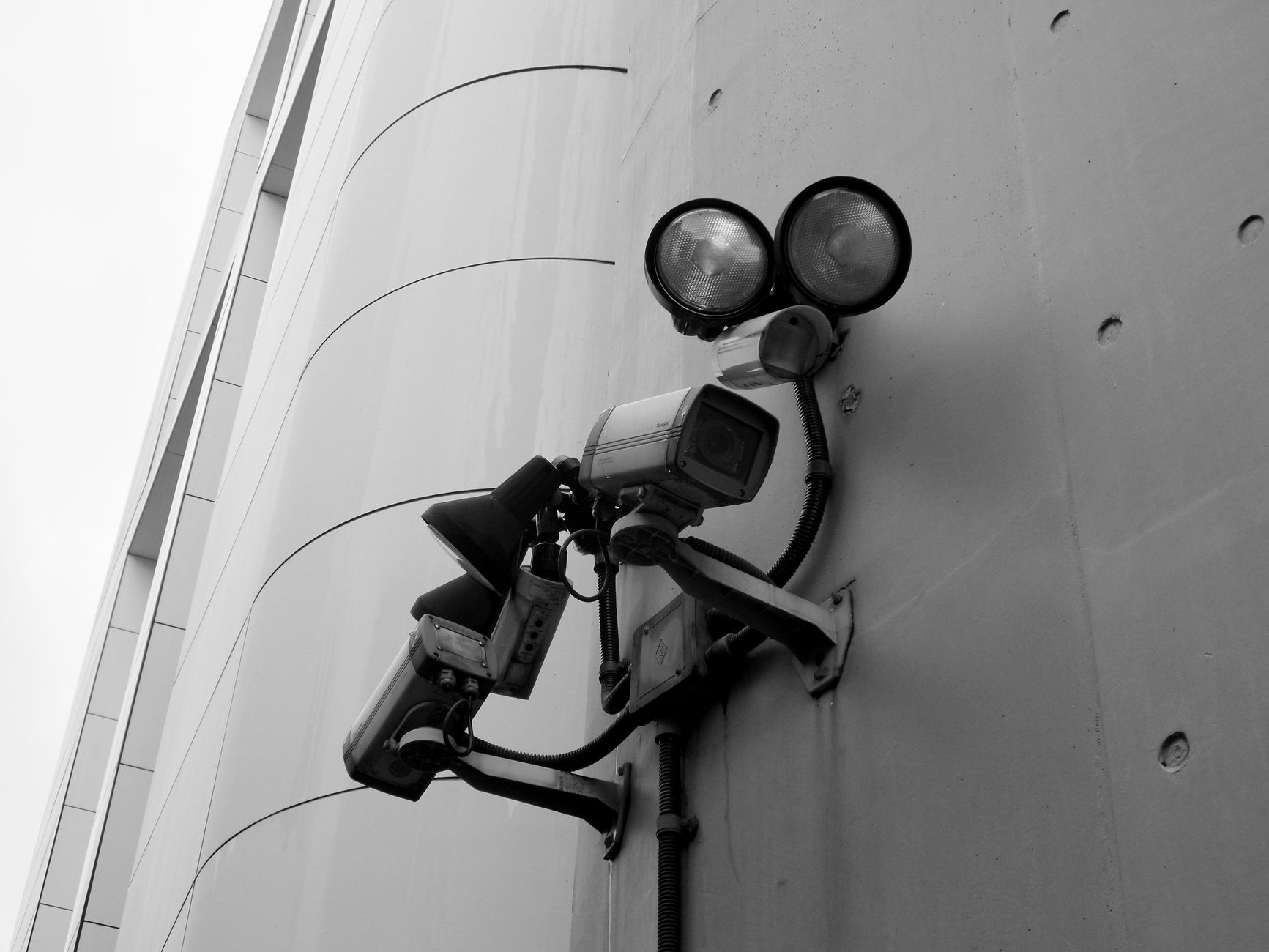
In a significant decision reflecting the tension between technological advancement and civil liberties, a regional policing unit in the United Kingdom has decided to cease its use of the controversial Palantir AI technology. This move comes amid heated debates surrounding the ethical implications of such powerful surveillance tools.
Palantir Technologies, a company often associated with intelligence agencies, has been providing AI-driven software capable of sifting through vast amounts of data to aid in law enforcement. Its software, notably used in the 'Gotham' platform, allows for predictive policing by analysing patterns and behaviours. While advocates argue that such technology is indispensable in the fight against modern crime and terrorism, critics decry its potential for privacy invasion and misuse.
The decision to drop Palantir's AI by the regional unit, reportedly part of a pilot programme involving Cambridgeshire and Bedfordshire police, follows concerns highlighted by civil liberty groups. These groups have consistently pointed out the lack of transparency and potential for data misuse, emphasising the need for stringent oversight and ethical guidelines.
Balancing Security and Privacy
The quandary facing law enforcement is not new. The allure of advanced technology that promises to prevent crime before it happens is compelling. However, the cost to individual privacy cannot be ignored. As one officer, speaking anonymously, put it, "It’s a double-edged sword. We need the tools to fight crime effectively, but not at the expense of public trust."
Palantir's system, praised for its ability to integrate disparate datasets, has been a focal point in discussions about modern policing methods. Yet, its very capabilities have sparked fears of a surveillance state where privacy is eroded under the guise of security.
The Road Ahead
This development raises critical questions about the future of AI in policing. While the discontinuation of Palantir's system by one unit may not spell the end for AI in law enforcement, it certainly signals a need for a broader dialogue on how such technologies are employed. Policymakers and law enforcement agencies must work hand in hand to ensure that the use of AI is both effective and ethically sound.
The ongoing debate underscores the delicate balance between harnessing technology for public safety and safeguarding individual freedoms, a balance that will undoubtedly shape the future of policing in the digital age.