Britons Retreat Indoors: Nature Time Dwindles for Half of Adults
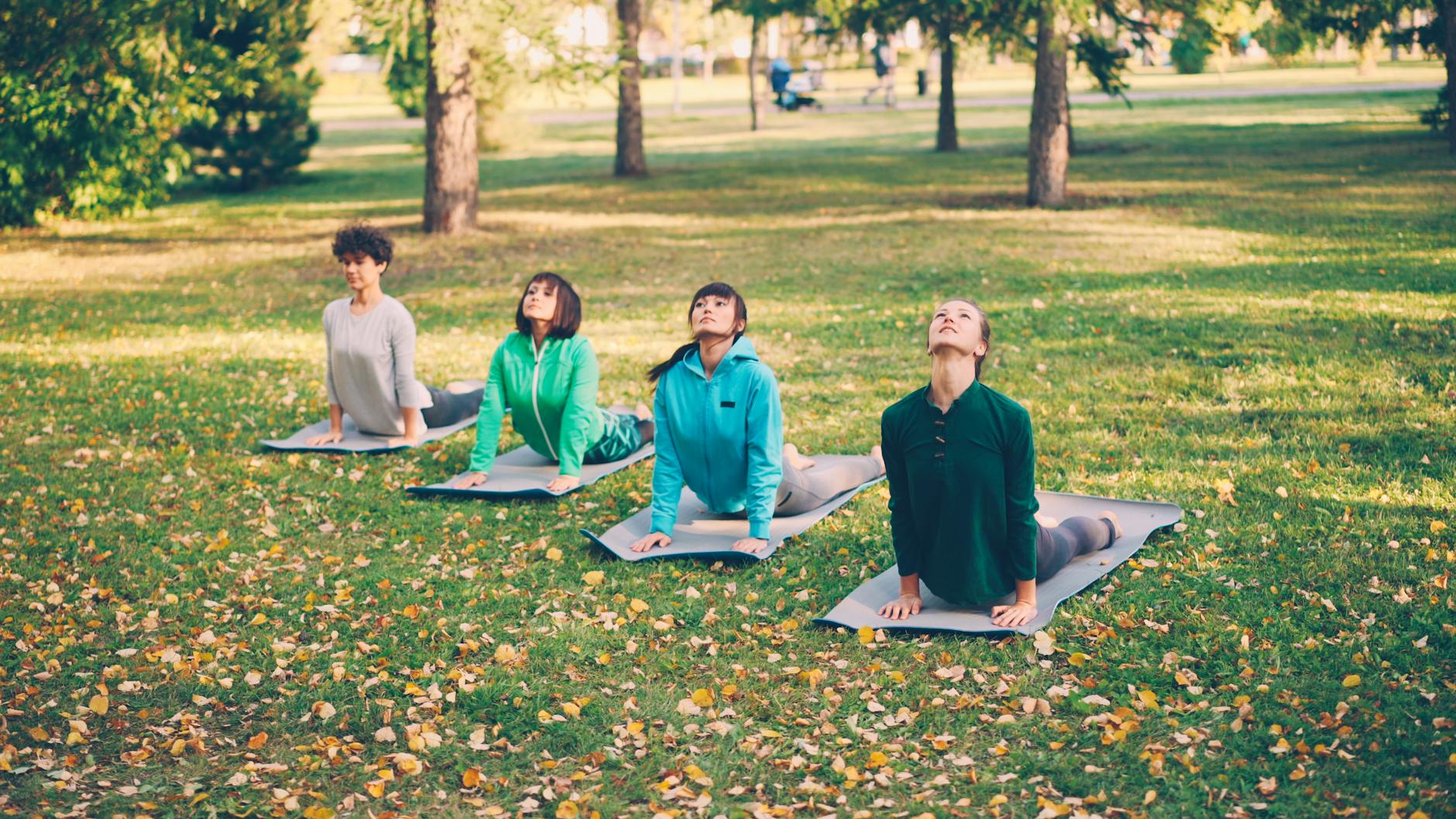
In the age of digital screens and perpetual connectivity, nature seems to be losing its allure for a significant portion of the British populace. A recent survey has disclosed a rather unsettling trend: nearly half of UK adults are spending less than three hours a week in natural settings. Whether it's the garden next door or the local park, these spaces are being visited less frequently.
While the allure of Netflix and the comfort of home may be to blame, the implications of such disconnection from nature are profound. Numerous studies have extolled the virtues of spending time in green spaces, linking it to improved mental health, reduced stress, and even enhanced creativity. Yet, the tendency to remain indoors persists.
The Children's Perspective
Interestingly, children seem to harbour a different sentiment altogether. According to a 2024 poll by the National Trust, more than three-quarters of children expressed a desire to spend more time in nature. This contrast between generations suggests a potential gap in lifestyle choices and priorities, one that might impact future well-being.
The disparity is not just a matter of preference but highlights a societal shift towards indoor living, perhaps driven by urbanisation and lifestyle changes. The convenience of modern living often trumps the intangible benefits of a stroll through the woods or a day spent in the countryside.
Why Nature Matters
The benefits of immersing oneself in nature are well-documented. From lowering anxiety levels to reducing depression, the positive effects are clear. Yet, for many, the 'nature fix' comes only during annual holidays, when work pressures and daily routines are momentarily forgotten. But should nature be relegated to a mere holiday indulgence?
With the mounting evidence of nature's role in enhancing mental health, it begs the question: what is holding adults back from stepping outside? Some suggest it's the fast-paced nature of modern life, where every minute counts, and leisure is a luxury. However, a shift in perspective might be needed, recognising that time spent in nature is not time wasted but an investment in personal wellness.
As the nation grapples with the challenges of mental health, perhaps the simplest remedy lies just outside the front door. Encouraging a balance between digital engagement and natural exploration could pave the way for a healthier, happier society.