Butterflies on the Move: Climate Change Forces a New Migration
In the delicate, fluttering world of butterflies, a silent drama is unfolding across the globe. A recent study, published in the journal Nature Ecology & Evolution, reveals that more than 1,700 butterfly species have begun to abandon their traditional homes, driven by the inexorable forces of climate change and extreme weather events. This movement is not just a whimsical migration; for many, it is a matter of survival.
The research highlights a striking fact: nearly one in ten butterfly species is now found in new ranges. The primary culprit? Rising temperatures and the consequent shifts in climate. Dr. Priya Chowdhury, an ecologist involved in the study, notes, "Climate change is now a dominant force reshaping where species can survive. For many butterflies, to survive, the only option is to move, often quickly, to track suitable conditions."
The Heat is On
Particularly vulnerable are tropical butterflies that already live near their upper thermal limits. Even slight increases in temperature can push these creatures beyond their tolerance, especially in regions where human activity has fragmented habitats. As forests give way to urban sprawl and agricultural fields, butterflies are left with fewer refuges.
Europe, too, is witnessing these changes. In Germany, the cranberry fritillary, once a common sight in bogs, has seen its habitat dwindle due to the drainage of wetlands. These shifts are not mere curiosities but indicators of a broader ecological upheaval.
A Broader Impact
While climate change is the leading driver, it is not acting alone. Habitat loss due to agriculture and urban expansion also plays a significant role. As these pressures mount, the interconnected web of biodiversity faces unprecedented challenges.
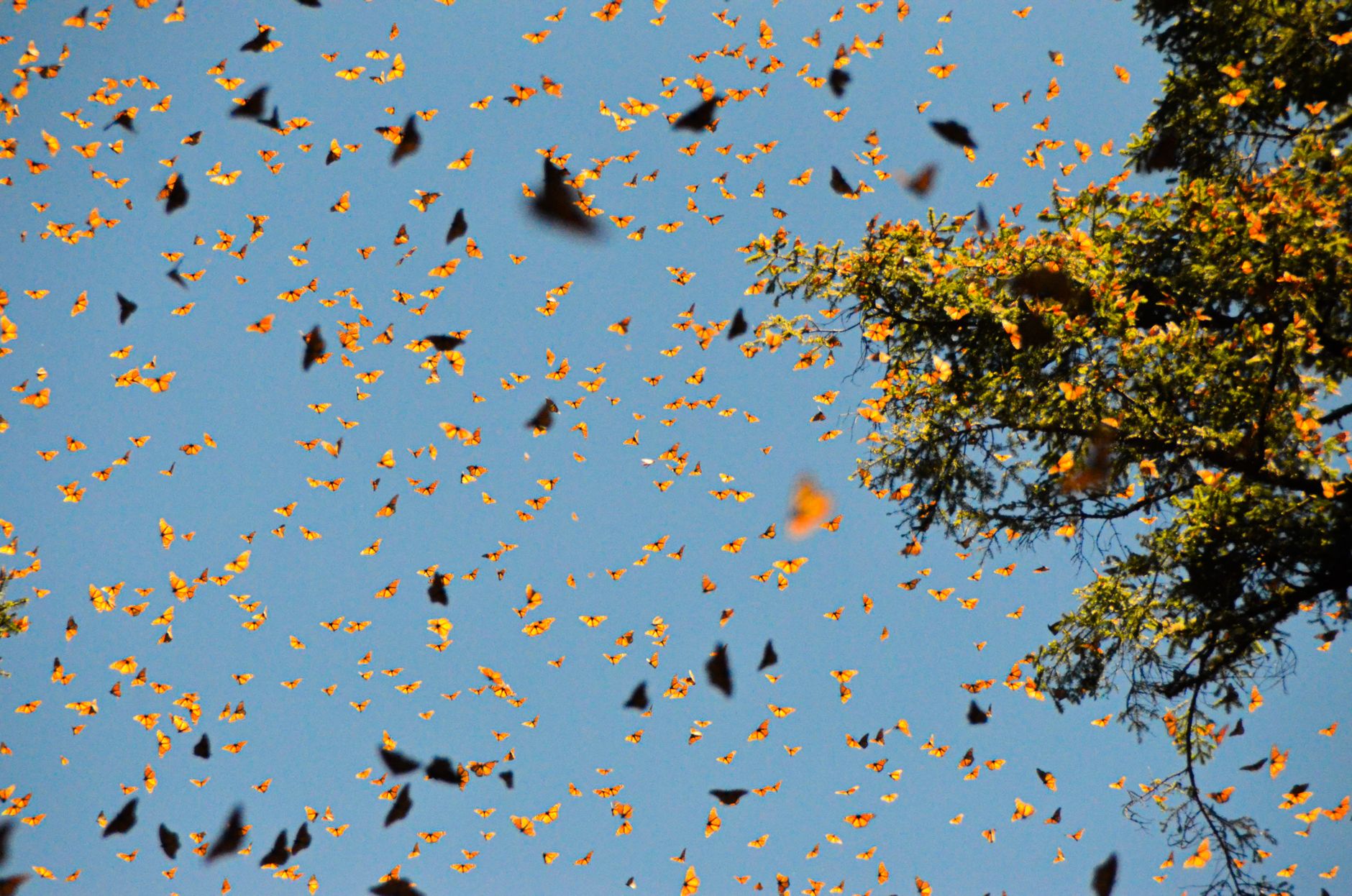
Among the most recognisable victims of this shift is the monarch butterfly. With its distinctive orange and black pattern, the monarch has long been a subject of study and admiration. However, its migratory routes have become increasingly precarious, disrupted by changing climates and dwindling habitats.
For scientists and conservationists, the task ahead is daunting. Protecting these delicate creatures requires a concerted effort to mitigate climate change and preserve natural habitats. As butterflies continue their search for new homes, they leave behind a vivid reminder of the fragility of nature in the face of human-induced change.