Cameroon's Longest-Serving Leader's Absence Sparks Concerns
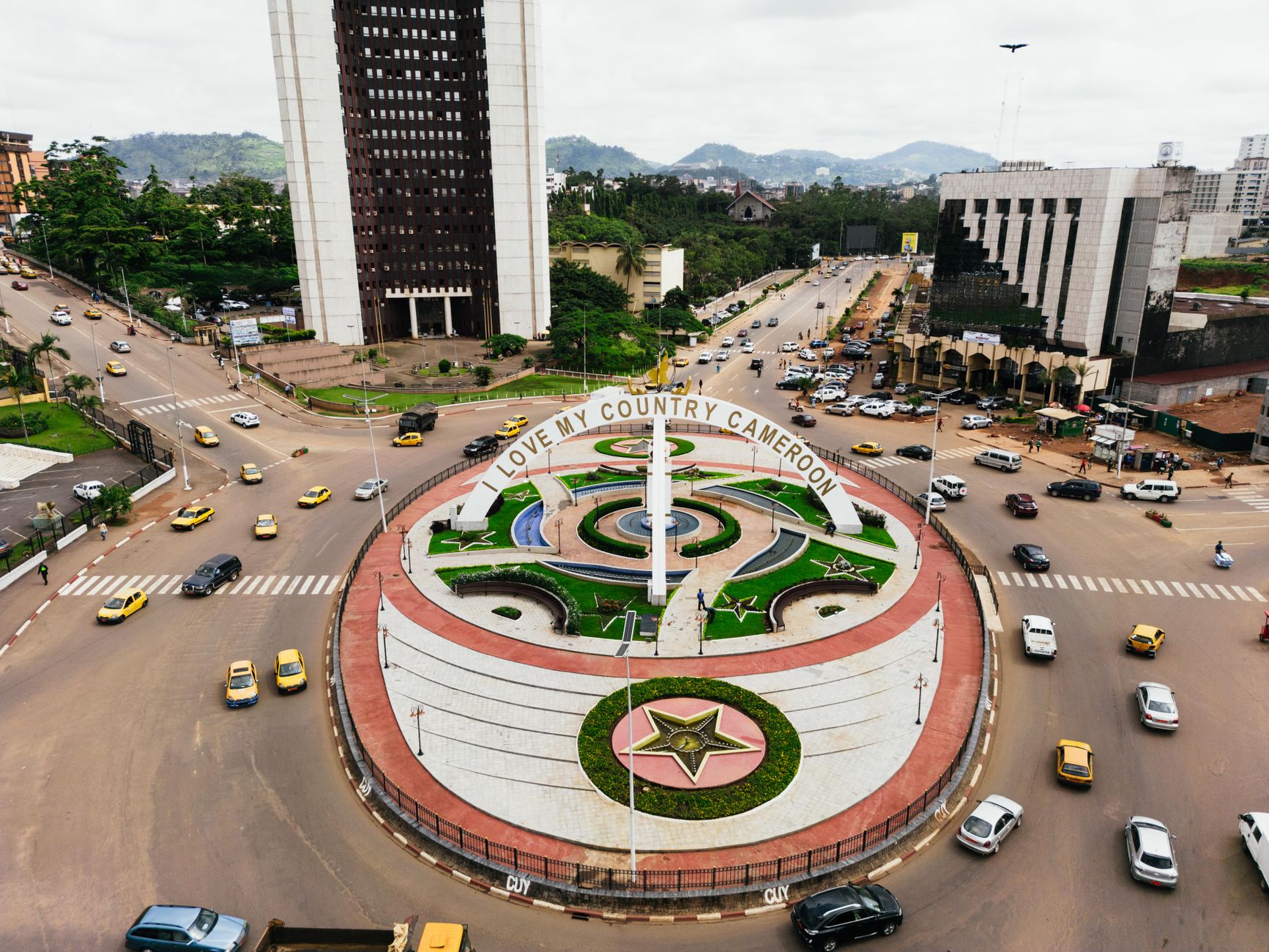
In the corridors of power, absence can sometimes speak louder than presence. Such is the case with President Paul Biya of Cameroon, who has not set foot in his homeland for over two months. The 93-year-old leader, who holds the distinction of being the world's oldest sitting president, departed for Europe on 7 June for what was initially described as a 'brief private stay'. However, this sabbatical has stretched into an unprecedented sojourn, stirring both domestic and international concern.
Speculation is rife regarding Biya's health, with government spokespeople repeatedly affirming his well-being amidst swirling rumours. The longevity of his absence has become a focal point for critics who argue that the nation is effectively leaderless during a critical period. With a history of contested elections and accusations of authoritarianism, Biya's prolonged absence only adds fuel to an already volatile political climate.
Paul Biya assumed the presidency in 1982, following the resignation of his predecessor. Over the decades, he has wielded substantial power, steering Cameroon through numerous challenges. Yet, his leadership style has often been criticised for its opacity and rigidity, traits that are now under sharper scrutiny than ever.
The Pulse of a Nation
While Biya remains abroad, the question of succession looms large. Analysts suggest that the current scenario underscores the need for a transparent and structured transition of power, a subject that has long been taboo in Cameroonian political discourse. The lack of clear communication from the presidency exacerbates anxieties about governance and stability.
For the people of Cameroon, the absence of their leader during tumultuous times is more than a matter of curiosity; it is a question of national direction and coherence. With no confirmed date for Biya's return, the country watches and waits, a nation held in suspense.