Canada Ablaze: Ontario's Forest Fires Rage On
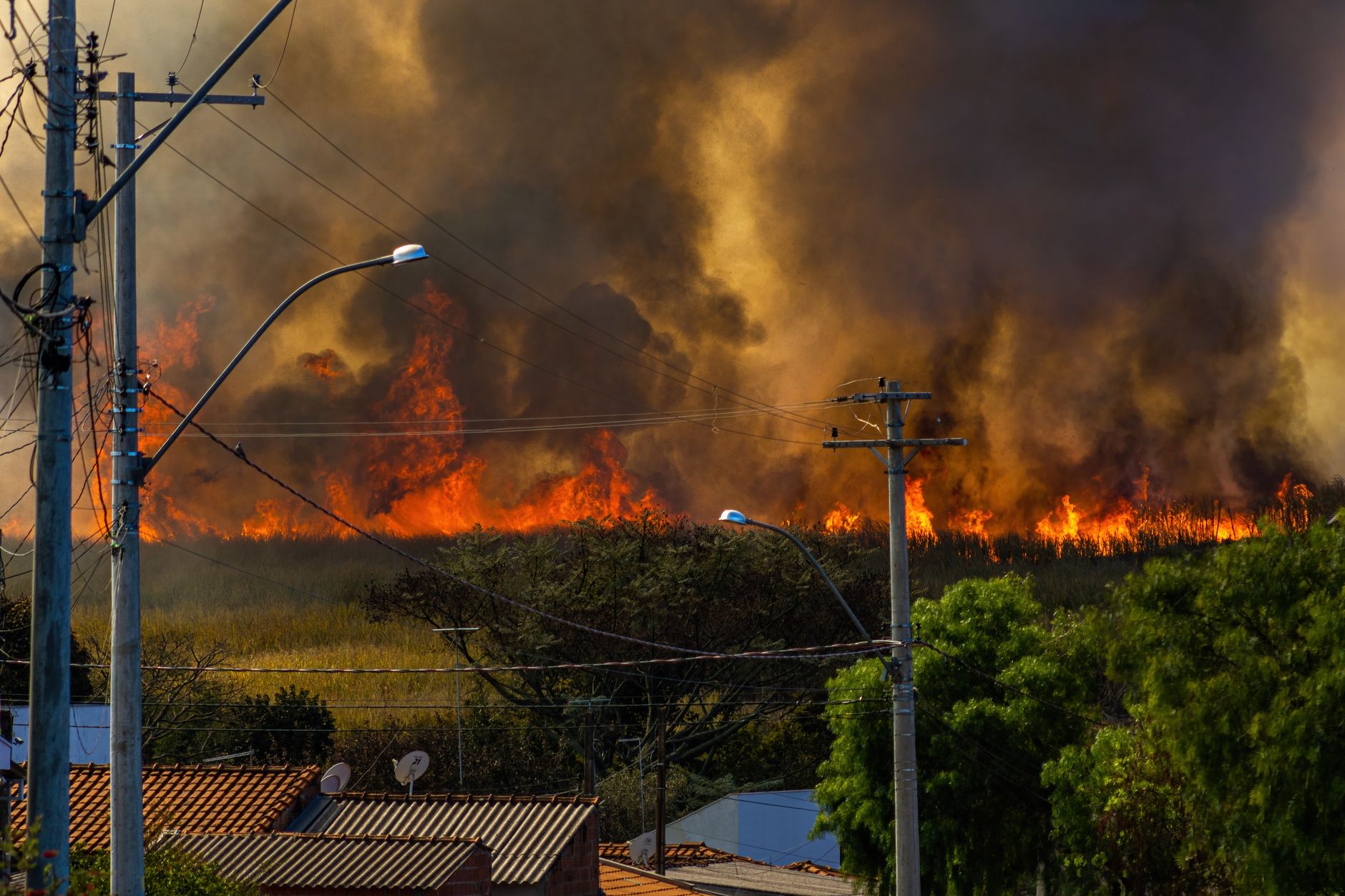
In a summer marked by unprecedented natural ferocity, Canada finds itself grappling with a staggering number of wildfires. Ontario, the country's most populous province, is currently facing over 180 active fires, part of a nationwide tally nearing 850. The situation has grown dire enough to warrant international attention, as smoke from these blazes has drifted far beyond Canadian borders.
The infernos have not only transformed the verdant landscapes into ashen expanses but have also significantly impacted air quality. Satellite images from NOAA-21, taken on 14 July 2026, starkly illustrate the scale of devastation. The plumes of smoke, visible from space, serve as a stark reminder of the challenges posed by climate change.
Environmental and Health Concerns
The fires in Ontario have exacerbated existing environmental concerns. Residents are being advised to stay indoors as air quality indices dive to hazardous levels. Health experts warn of increased respiratory issues, particularly among vulnerable groups such as the elderly and children. The pervasive smoke has also affected visibility, complicating both ground and air transportation.
Scientists and environmentalists are calling for urgent action. They argue that these fires are symptomatic of broader climatic shifts, pointing to rising temperatures and prolonged dry spells as contributing factors. The need for robust climate policies has never been more pressing, with experts urging both national and international cooperation to mitigate future risks.
A Global Wake-Up Call
While Canada battles its blazes, the world watches closely. The images of smoke and fire are not just Canadian problems; they are emblematic of a global issue. As climate conferences continue to debate targets and strategies, the fires in Ontario may serve as a catalyst for more decisive action.
For now, the priority remains managing the immediate crisis. Firefighters, many of whom are volunteers, are working tirelessly to contain the blazes. Their efforts, while heroic, underscore the need for better-preparedness and resources to deal with such disasters in the future.
Canada's ordeal is a sobering illustration of nature's unpredictability and the urgent need for human readiness. As the smoke clears, both literally and metaphorically, the lessons learned will hopefully drive meaningful change.