Canada's Precise Weather Alerts Set to Battle 'Alert Fatigue'
In a move that promises to refine the way Canadians receive weather warnings, Environment Canada has launched a new alert system aimed at reducing 'alert fatigue'. This initiative marks a significant shift from the broad, zone-based warnings that have often led to widespread confusion and complacency.
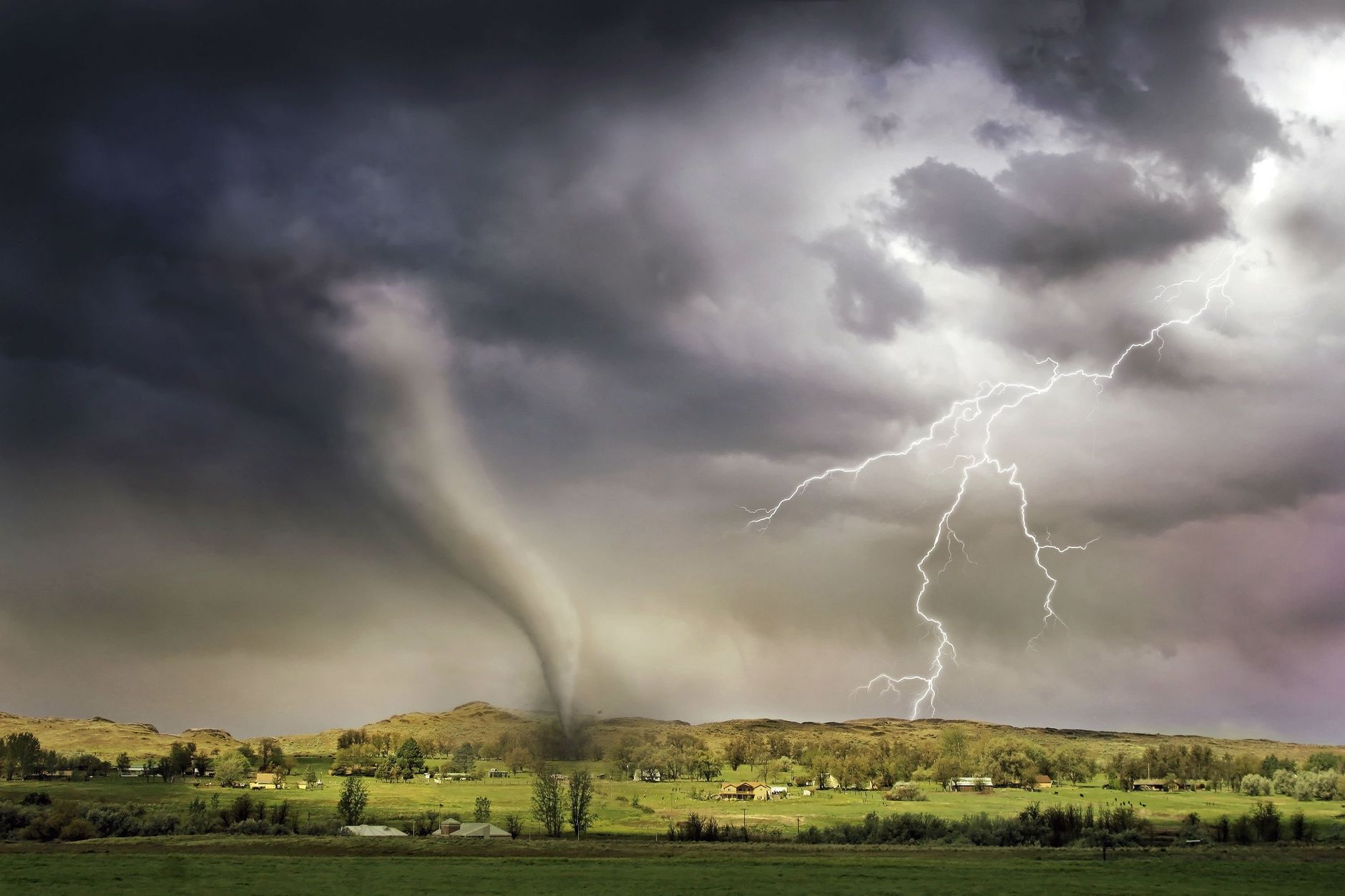
The new system, which went live on Tuesday morning, employs a method that allows meteorologists to draw polygons over precise areas anticipated to be affected by severe weather. This means that alerts for tornadoes and severe thunderstorms will now be more targeted, focusing solely on regions truly at risk, rather than vast swathes of the countryside.
Sharper Focus on Safety
For years, Canadians have been subject to blanket warnings that could cover entire provinces, often resulting in communities ignoring alerts due to repeated false alarms. By introducing a more focused approach, Environment Canada aims to ensure that those in the path of potential harm are better informed and prepared without overwhelming those who are not.
This change is not merely about technological enhancement but is deeply rooted in public safety. By reducing the number of irrelevant warnings, the system helps maintain public trust and encourages prompt action when it truly matters.
The Science Behind the Change
The heart of the new system lies in its scientific approach. Meteorologists will now use real-time data to hand-draw the areas likely to be impacted. This allows for a dynamic response to the ever-changing nature of storms. The approach is expected to enhance the accuracy of alerts significantly, thus saving lives and reducing damage.
It's an evolution in how weather services communicate risk, bringing Canada in line with other countries that have already adopted similar systems. The move is part of a broader strategy by Environment and Climate Change Canada (ECCC) to modernise its services amid increasingly unpredictable weather patterns due to climate change.
Public Response and Future Directions
Initial public response to the new system has been mixed, with some welcoming the greater precision, while others remain sceptical about its effectiveness. However, federal forecasters are optimistic, citing positive results from similar systems abroad.
As the system rolls out, ECCC will continue to monitor its effectiveness and make necessary adjustments. The hope is that, by making warnings more relevant, Canadians will be more likely to heed them, ultimately enhancing community resilience to extreme weather events.