Cannabis and Sleep: Untangling the Science Behind the Hype
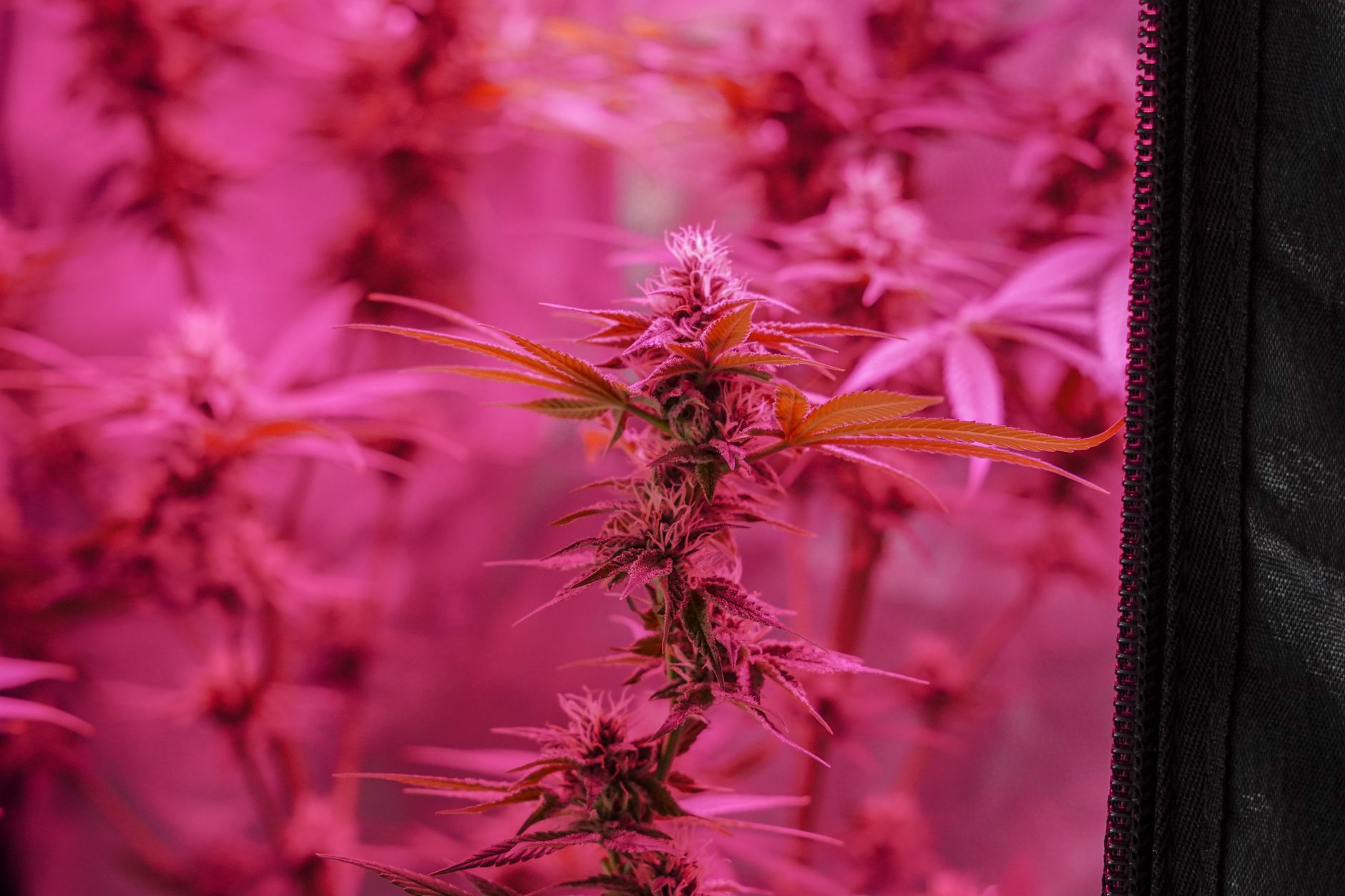
For many, the allure of a good night's sleep remains irresistible, and increasingly, individuals are turning to cannabis in search of rest. But what does the science say about its effectiveness? Recent studies have begun to shed light on this murky subject, but the conclusions are far from clear-cut.
The interaction between cannabis and sleep is primarily linked to cannabinoids, particularly THC and CBD, and their effects on the brain's receptors. When these compounds bind to cannabinoid receptors, they may increase levels of adenosine, a sleep-promoting chemical, while suppressing the arousal system. This process can result in a sedative effect, helping some users drift off more easily.
Despite the potential benefits, the impact of cannabis on sleep architecture—how the brain organises different stages of sleep—remains contentious. Some studies suggest cannabis use can lead to a reduction in REM sleep, the stage associated with dreaming and memory consolidation. This raises concerns about potential long-term effects on cognitive functions.
The Strain Debate
Not all cannabis is created equal. The myriad strains available often promise different effects. Indica strains are typically associated with relaxation and sleepiness, making them a popular choice for those seeking a night-time aid. Conversely, sativa strains may be more energising, potentially counterproductive for those with insomnia.
The lack of comprehensive research, partly due to the legal status of cannabis in many regions, has left a gap in understanding its full impact. While some individuals report significant improvements in conditions such as chronic pain and PTSD, others note negligible effects, or worse, a deterioration in sleep quality.
Future Directions
The call for more rigorous studies is clear. As the stigma around cannabis diminishes and legal restrictions ease, the scientific community is poised to explore this avenue more thoroughly. The hope is to separate anecdotal evidence from scientific fact, providing clearer guidance for those considering cannabis as a remedy for sleep issues.
Until then, the use of cannabis as a sleep aid remains a personal decision, best made with careful consideration and professional advice. The growing interest in its potential benefits underscores a broader societal shift towards exploring alternative therapies, even as the quest for a definitive answer continues.