Celestial Flash: How US Satellites Unveiled a Cosmic Mystery
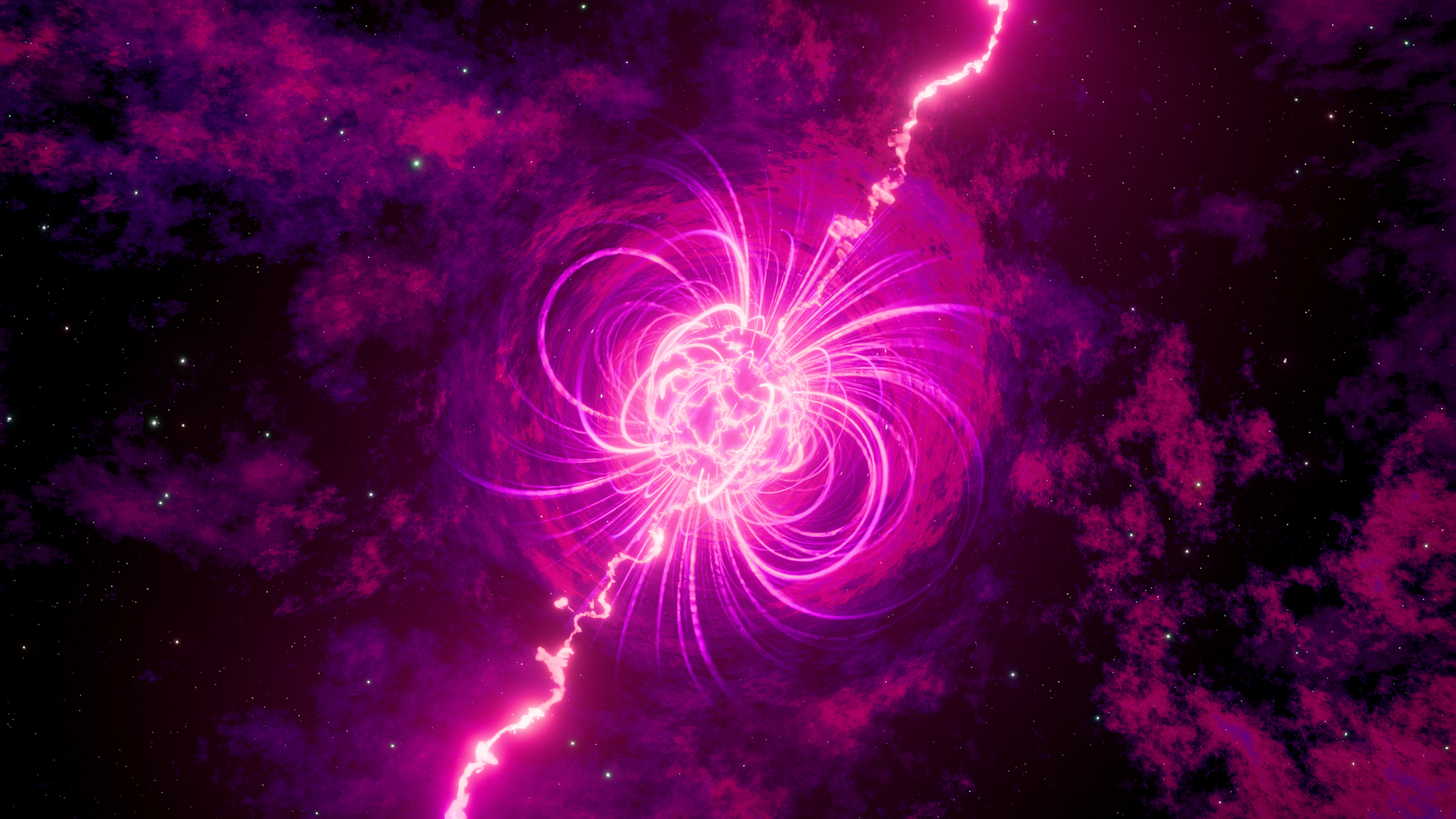
In the summer of 1967, while the world was preoccupied with the Cold War and the looming threat of nuclear annihilation, a peculiar flash from deep space caught the attention of US military satellites. These satellites, part of a programme aimed at detecting covert nuclear tests, stumbled upon an entirely different cosmic conundrum.
The satellites, equipped with sophisticated sensors to sniff out nuclear explosions, registered a burst of gamma rays from outer space. Initially, the scientists were perplexed. Was it a clandestine test by an unknown nation? Or something even more ominous?
As it turned out, the flash was neither. Scientists soon realised they had inadvertently discovered one of the universe's most powerful events: gamma-ray bursts. These bursts, lasting from milliseconds to several minutes, are believed to result from the collapse of massive stars or the merger of neutron stars, releasing more energy in mere seconds than our sun will emit in its entire lifetime.
Unravelling the Cosmic Mystery
This accidental discovery would pave the way for a new field of astrophysics. Astronomers began to focus on these enigmatic bursts, using increasingly sophisticated technology to capture and understand their origins and implications. The discovery was a serendipitous triumph for science, revealing the violent nature of the universe and challenging pre-existing notions of cosmic events.
The implications of understanding gamma-ray bursts extend far beyond mere academic curiosity. These bursts may provide insights into the early universe, shedding light on the formation of galaxies and the distribution of elements across the cosmos. Moreover, they serve as a stark reminder of the universe's volatile nature.
A Legacy of Curiosity
Today, the study of gamma-ray bursts continues to fascinate and challenge scientists worldwide. The initial accidental detection by US satellites underscores the unpredictable nature of scientific discovery and the importance of curiosity-driven research. As we continue to explore the universe, who knows what other cosmic surprises await?