Cell Division: A Key Player in Tissue Reshaping
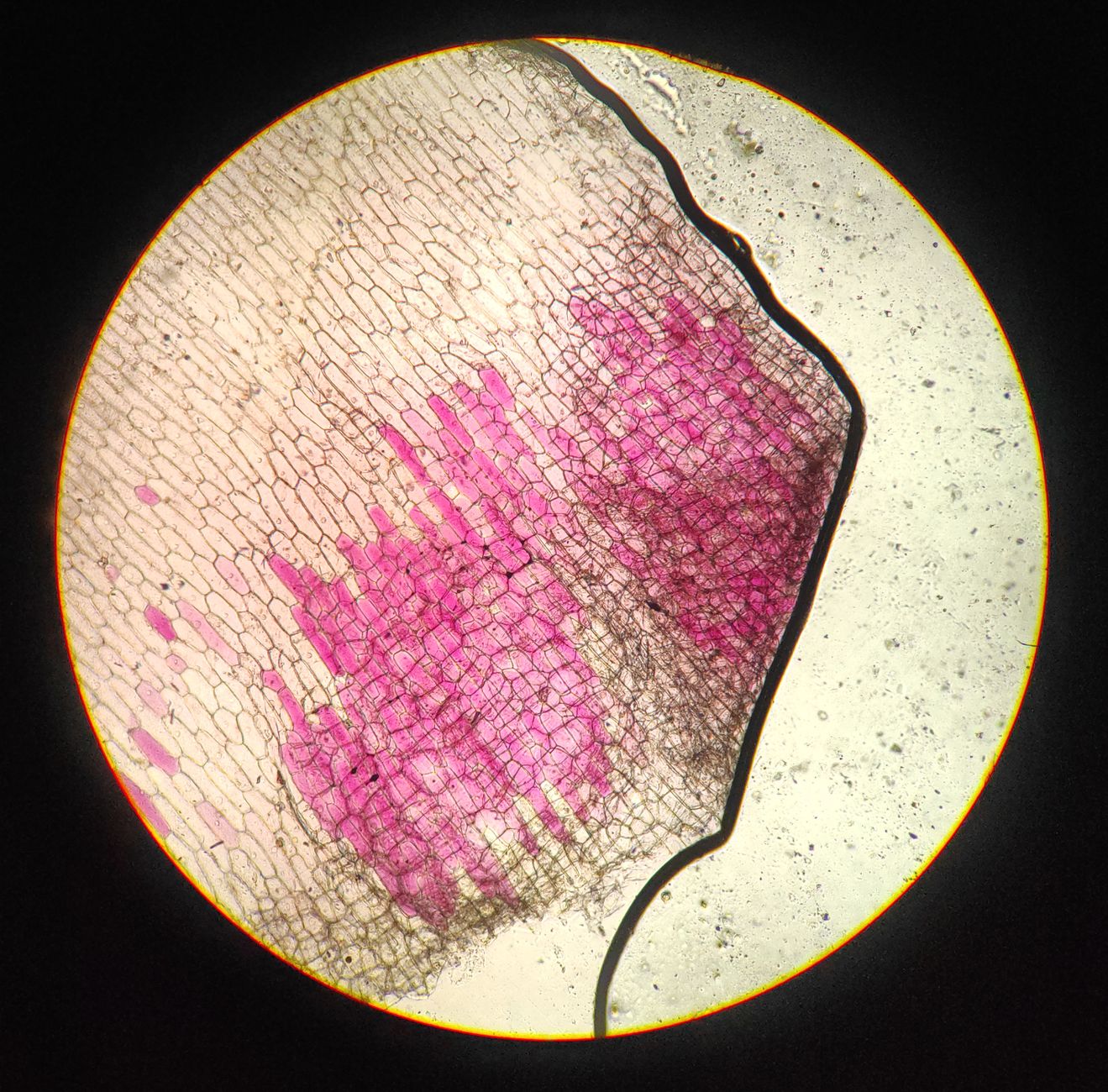
In the intricate ballet of life, cell division has long been seen as the principal act of creating new cells, a process fundamental to growth and repair. However, a recent scientific breakthrough has revealed that this biological process does not merely replicate what already exists but also serves as an architect of sorts, reshaping the very tissues within which it occurs.
Researchers, through meticulous experimentation, have uncovered that as cells divide, they actively contribute to the restructuring of tissues. This discovery is not only pivotal for understanding the mechanics of developmental biology but also holds promise for the field of regenerative medicine. For instance, it provides new perspectives on how organisms repair tissue damage and manage growth-related disorders.
The Science Behind the Discovery
Cell division occurs primarily through two processes: mitosis and meiosis. While mitosis results in two genetically identical daughter cells, typically associated with growth and repair, meiosis is responsible for producing gametes—sperm and egg cells. The new findings suggest that during mitosis, cells do more than duplicate; they realign and organise the surrounding tissue structure, akin to craftsmen shaping clay into a desired form.
These insights were made possible by the development of synthetic cells that emulate lifelike properties, allowing scientists to observe and manipulate cell behaviours in unprecedented ways. The implications are vast, potentially unlocking new methodologies for tissue engineering and therapeutic interventions.
Implications for Medicine and Beyond
The potential applications of this discovery are manifold. In the medical realm, understanding how cell division influences tissue architecture could revolutionise treatments for injuries where tissue regeneration is required. Moreover, it may offer new strategies to combat diseases that stem from dysfunctional cell division, such as cancer.
In the broader context, these findings challenge the traditional view of cell division, highlighting the dynamic interplay between cells and their environments. As researchers continue to explore these interactions, we may well find ourselves on the cusp of new biological paradigms.
Ultimately, the revelation that cell division plays a role in reshaping tissues underscores the complexity of biological systems and opens the door to a myriad of scientific inquiries, each promising to deepen our understanding of life itself.