CERN and Mistral Collaborate to Boost AI in Scientific Research
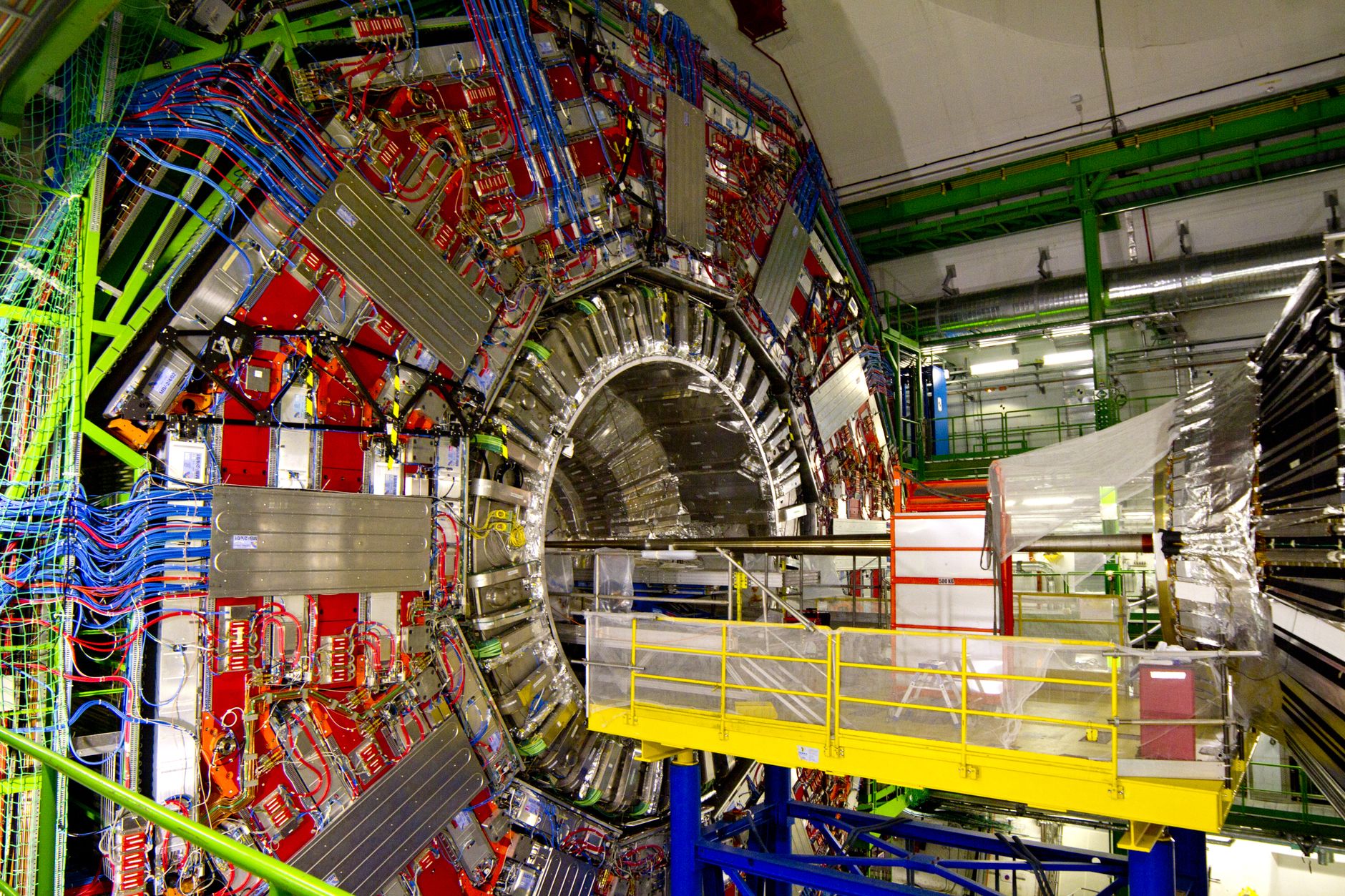
In an ambitious move that could reshape the future of scientific research, CERN and Mistral have embarked on a collaborative journey to enhance the role of artificial intelligence in the complex world of particle physics. The partnership aims to exploit AI's capabilities to manage and interpret the vast data generated by CERN's Large Hadron Collider, the world's largest and most powerful particle accelerator.
A New Era of AI in Science
At the heart of this collaboration is the development of advanced AI models that can process diverse streams of data with unprecedented precision. Mistral, known for its cutting-edge AI technologies, will bring its expertise in 3D vision, tactile and force data, and memory functions, providing a comprehensive toolkit for tackling scientific challenges. Meanwhile, CERN's unparalleled data sets and scientific rigour offer the perfect testing ground for these models.
The initiative is expected to lead to breakthroughs in how scientists understand and interact with particle physics. By integrating AI, researchers hope to simulate complex experiments, predict outcomes with higher accuracy, and even discover new particles that could redefine current scientific paradigms.
Implications for the Scientific Community
This collaboration is not just about technological advancement; it's about the broader implications for the scientific community. With AI's ability to streamline and enhance research processes, scientists can focus more on theoretical and experimental innovation rather than data processing. Furthermore, the partnership underscores the growing importance of interdisciplinary approaches in tackling scientific mysteries.
As CERN and Mistral forge ahead, the scientific world watches with bated breath. The fusion of AI and particle physics is set to open new frontiers in understanding the universe's fundamental forces and constituents, marking a significant milestone in the journey of scientific exploration.