ChatGPT Revolutionises Healthcare Data Integration
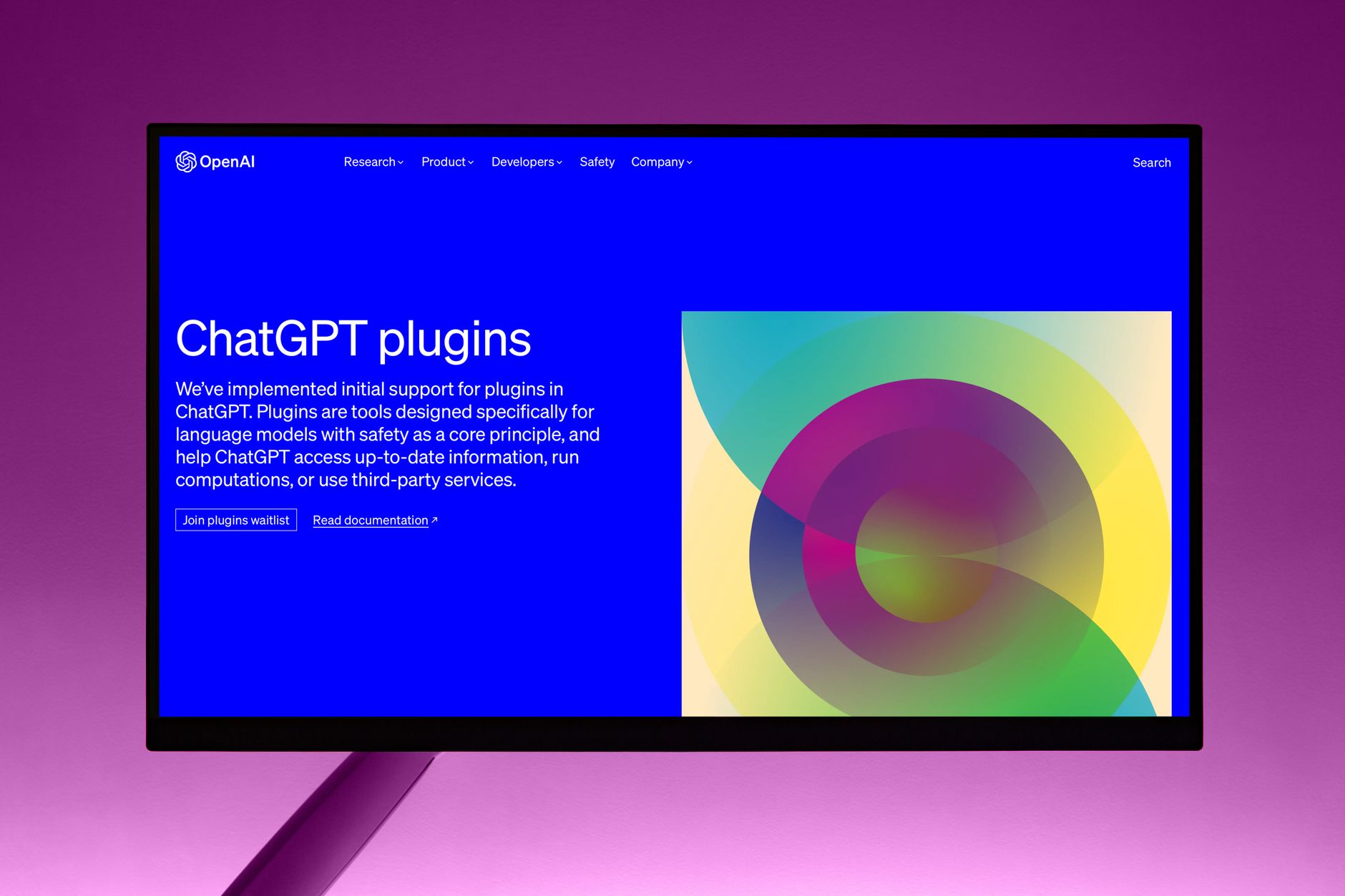
The world of healthcare is on the brink of a transformation, as OpenAI unveils a new capability for its AI language model, ChatGPT, to integrate seamlessly with electronic health records (EHR). This development is set to redefine how clinicians access and utilise patient data, making the once laborious task of sifting through extensive medical records almost a thing of the past.
Historically, the task of piecing together a patient's medical history has been akin to assembling a jigsaw puzzle blindfolded. Clinicians have had to manually navigate through appointment notes, laboratory results, medications, and specialist documentation across disparate systems. However, with the advent of ChatGPT's integration, healthcare professionals can now query the AI directly, obtaining comprehensive patient insights at the touch of a button.
The Power of Integration
At the heart of this integration is the ability to connect ChatGPT with trusted healthcare data sources. The AI can now securely assist clinicians by providing relevant patient context, accessing medical research, and streamlining workflows. This innovation promises to reduce the administrative burden on healthcare providers, allowing them to focus more on patient care and less on paperwork.
Moreover, the newly introduced Healthcare Public Data plugin further enhances this capability. This tool enables authorised access to EHR data, facilitating patient-history reviews, identification of changes, and appointment preparations. For healthcare institutions, this means a more efficient use of time and resources, potentially leading to improved patient outcomes.
Implications for the Future
The integration of AI with healthcare data systems is not merely a technical upgrade; it signifies a broader shift towards data-driven medical practice. By providing clinicians with a coherent and comprehensive view of a patient's history, ChatGPT could become an invaluable tool in diagnostic processes and treatment planning.
However, the introduction of such technology also raises questions about data privacy and security. Ensuring that patient information remains confidential while being accessible to authorised personnel will be paramount. OpenAI and healthcare providers must work collaboratively to establish robust safeguards against data breaches and misuse.
In conclusion, as ChatGPT begins to make its mark on healthcare, the potential benefits are clear. Streamlined data access, improved clinical decision-making, and enhanced patient care could soon become the norm rather than the exception. But as with any technological advancement, the journey will require careful navigation of ethical and practical challenges.