ChatGPT Ventures into Medical Records: A New Chapter for AI
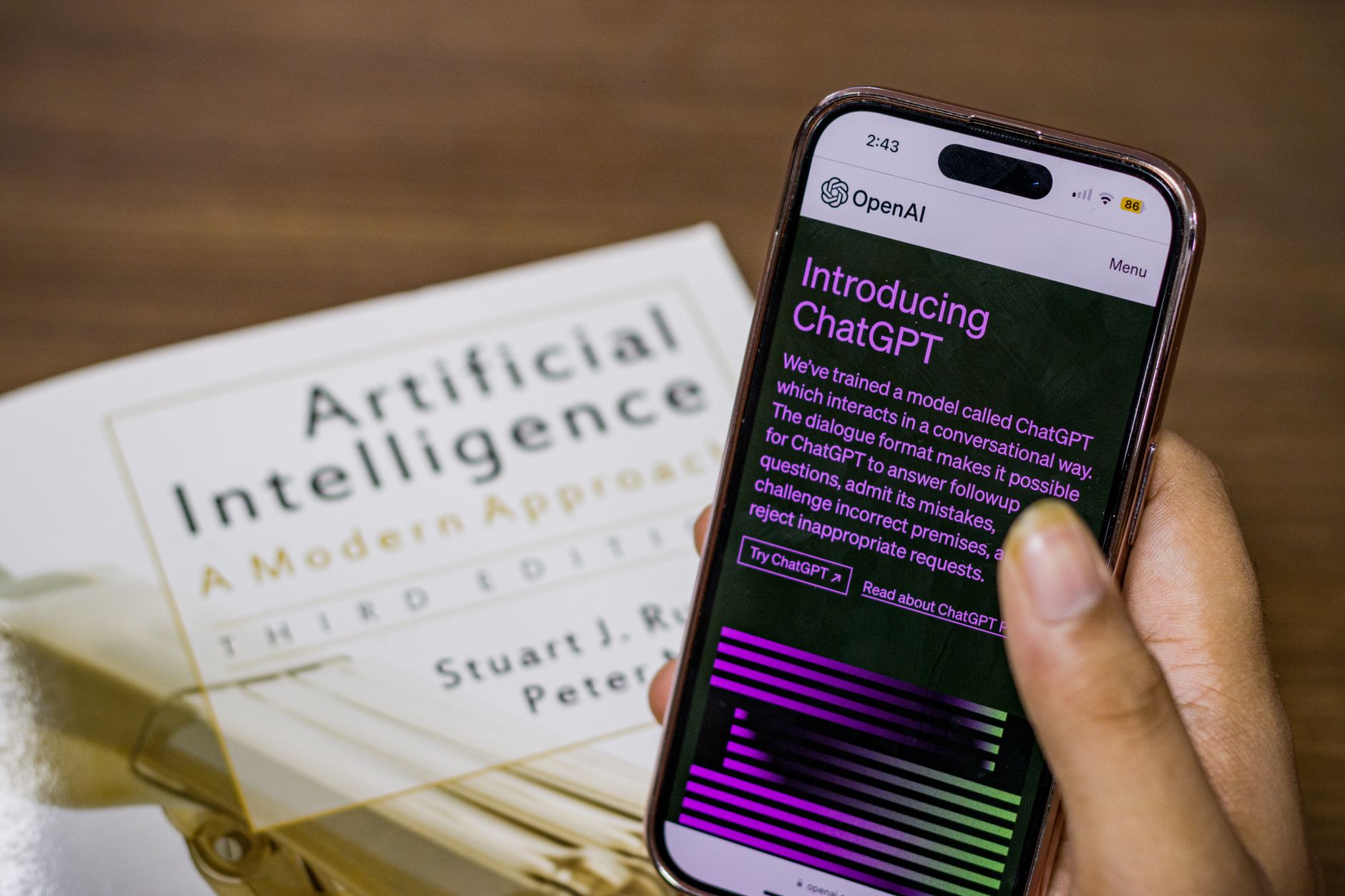
In a digital twist that could redefine patient care, OpenAI has announced the integration of ChatGPT with patient health records, signalling a bold new frontier in healthcare. This development, unveiled with much anticipation, allows users to connect their medical histories and health-tracking data to the chatbot, promising a more personalised health dialogue.
The move is not without its controversies. While the potential for tailored healthcare advice is undeniable, it raises significant concerns about data privacy and the ethical implications of AI in medicine. The spectre of a recent lawsuit, where ChatGPT allegedly contributed to a man's health crisis, looms large over this initiative.
Bridging Technology and Medicine
OpenAI's vision is simple yet ambitious: integrate AI into everyday healthcare interactions. By allowing ChatGPT to access medical records, the company aims to offer users a seamless health management experience. This integration is not limited to a niche segment; rather, it encompasses a broad spectrum of health information, provided users consent.
Ashley Alexander, OpenAI’s vice president of health product, emphasised that the models are designed to enhance user experience while safeguarding privacy. However, critics argue that the security of such sensitive data remains a pressing concern, with potential risks overshadowing the benefits.
Implications for Patient Care
The implications of this technology are profound. On one hand, patients could receive more accurate health advice tailored to their personal medical history. On the other, it places a significant burden on AI systems to deliver reliable and safe guidance.
The integration also underscores a broader trend in healthcare: the increasing reliance on digital tools and AI to support medical decision-making. As these technologies evolve, they challenge traditional notions of patient-doctor interactions and medical responsibility.
As OpenAI rolls out this feature across the US, the conversation around AI in healthcare is set to intensify. While the integration promises innovation, it also demands a careful balancing act between technological advancement and ethical stewardship.