Chemical Peril: Pesticides Threaten Endangered Cockatoos
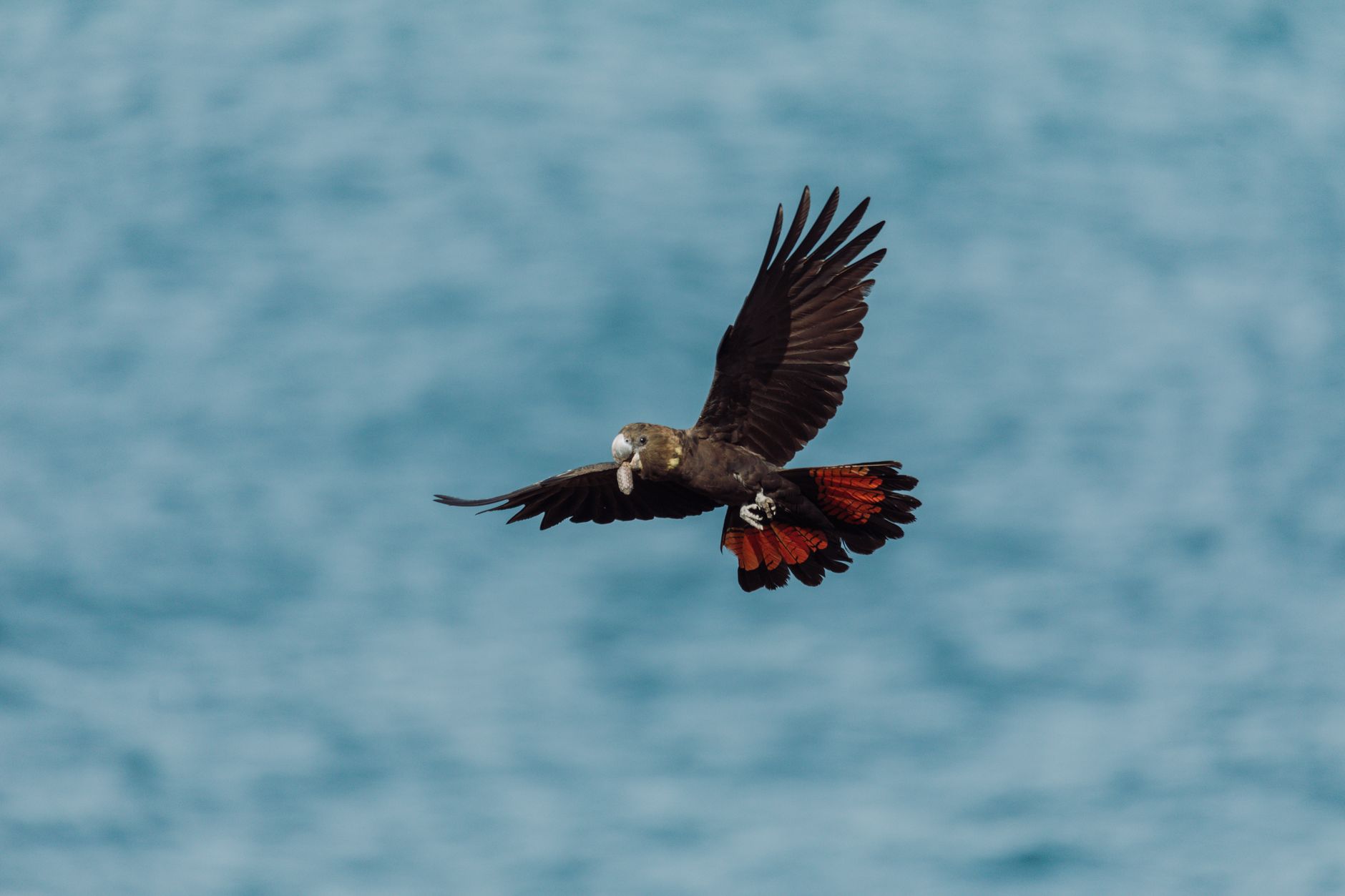
The Carnaby’s black cockatoo, an iconic symbol of Western Australia's natural heritage, now faces an unexpected adversary: pesticides. Recent research, spanning three breeding seasons, has unveiled the troubling extent of chemical contamination in the cockatoos' food sources. Scientists, who meticulously tracked these endangered birds across the Wheatbelt, found pesticides in 80% of the food samples collected.
These pesticides are largely traced back to grain silos, where treated seeds inadvertently spill, creating a toxic buffet for the unsuspecting cockatoos. Worryingly, some pesticide concentrations were discovered to be hundreds of times above the regulatory residue limits set for environmental safety. This revelation not only highlights a new threat to the cockatoo population but also raises broader questions about agricultural practices and their impact on wildlife.
A Grim Reality
For a species already grappling with habitat loss, this chemical onslaught could prove catastrophic. Carnaby’s black cockatoos are classified as endangered, with their numbers dwindling due to deforestation and urban expansion. The additional pressure from chemical exposure may further jeopardise their survival, necessitating urgent conservation measures.
Dr. Emily Green, lead researcher of the study, stated, "Our findings are a wake-up call. The levels of contamination are alarming and could severely impact the reproductive success of these birds." The study’s implications extend beyond the cockatoos, serving as a stark reminder of the unintended consequences of human activities on the environment.
Steps Towards Mitigation
In response to the findings, conservationists are urging for stricter regulations on pesticide use near critical wildlife habitats. Moreover, they advocate for improved management practices at grain storage facilities to minimize seed spills.
The government and environmental organisations must collaborate to develop solutions that balance agricultural needs with wildlife conservation. As the plight of the Carnaby's black cockatoo illustrates, protecting biodiversity requires concerted action and a reevaluation of practices that prioritise short-term gains over long-term sustainability.