Chernobyl's Lingering Shadows: Unexpected Resilience of Nuclear Debris
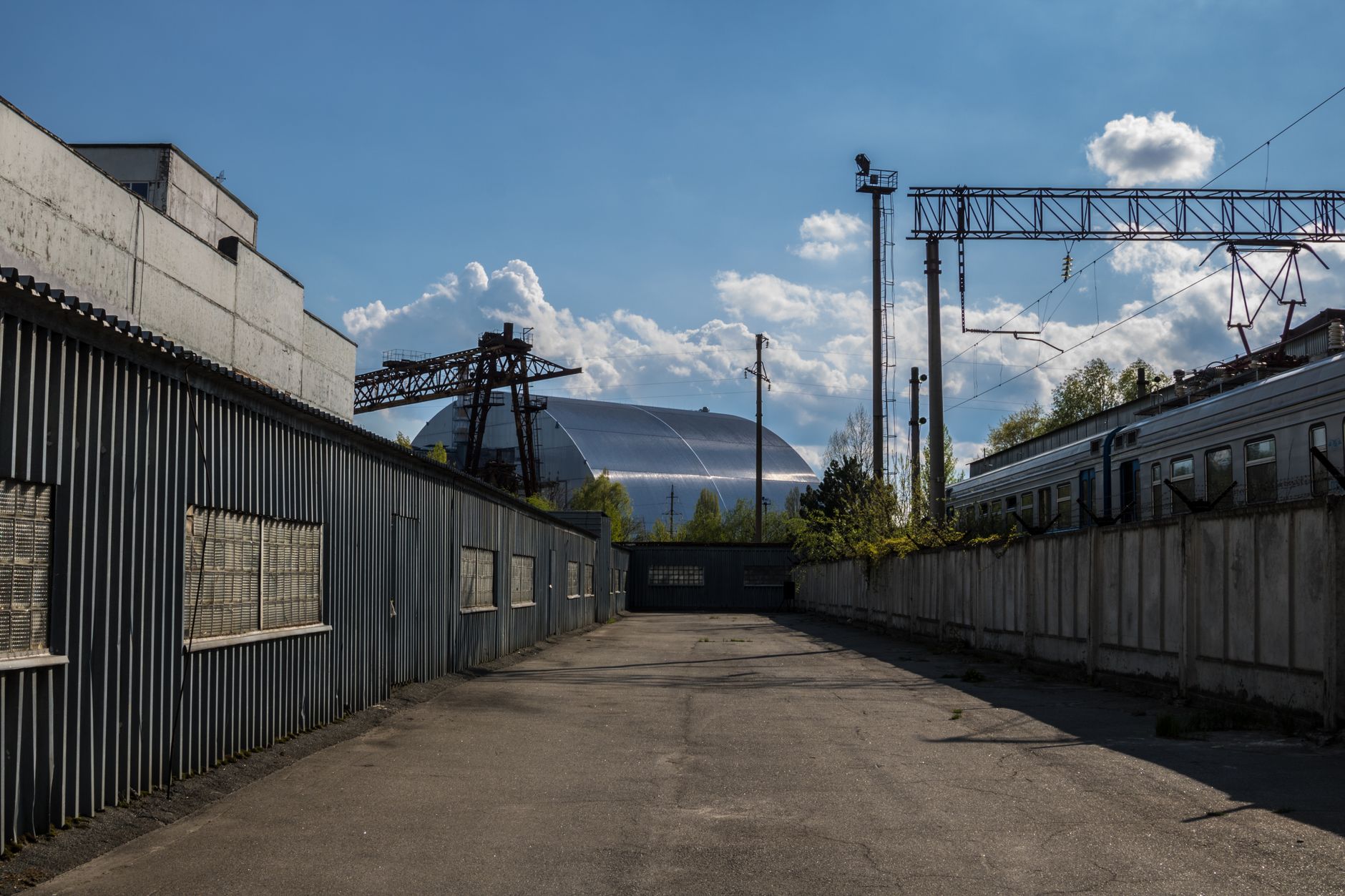
Four decades on, the Chernobyl disaster continues to defy scientific predictions. As researchers delve deeper into the remnants of the 1986 nuclear catastrophe, they are met with unexpected findings. The radioactive particles dispersed into the atmosphere have, in some cases, retained their structural integrity far longer than anticipated.
Initially, it was presumed that the radioactive debris would degrade at a predictable rate. However, recent studies reveal that many particles remain eerily unchanged, holding tight to their original fuel structure. This persistence raises critical questions about the long-term environmental and health implications of nuclear fallout.
The Unyielding Particles
Conducted by scientists at the Helmholtz-Zentrum Dresden-Rossendorf, the research highlights the remarkable resilience of certain radioactive materials. These particles, despite being exposed to the elements for nearly forty years, have not succumbed to the natural processes of decay as swiftly as once thought.
This discovery has profound implications. It challenges existing models of radioactive decay and necessitates a re-evaluation of nuclear waste management strategies. The unyielding nature of these particles suggests that radioactive contamination might persist longer, potentially impacting ecosystems and human health more severely over time.
Implications for the Future
The findings are not merely academic. They have practical significance for the safety protocols at nuclear sites around the world. Understanding the longevity and behaviour of radioactive particles is crucial for mitigating risks associated with nuclear power and ensuring effective containment strategies.
Moreover, this research could inform policies on disaster preparedness and response, illustrating the need for robust, long-term monitoring of nuclear sites. As we stand on the brink of an era where nuclear energy is being reconsidered as a viable alternative to fossil fuels, these insights are invaluable.
In essence, Chernobyl's legacy is far from over. It continues to teach us about the complexities and consequences of nuclear energy, urging us to approach future nuclear ventures with caution and foresight.