Chief Justice Sparks Outcry with Environmental Critique
In a courtroom exchange that has ignited a firestorm of criticism, Chief Justice Surya Kant’s recent remarks have drawn the ire of environmental advocates across the nation. Referring to environmentalists as obstacles to progress, Justice Kant questioned the utility of petitions that, in his view, perennially oppose development projects. His comments, made during a session about the renaming of the Navi Mumbai International Airport, have since been labelled as ‘objectionable’ and ‘disturbing’ in a letter signed by over 600 citizens and civil society groups.
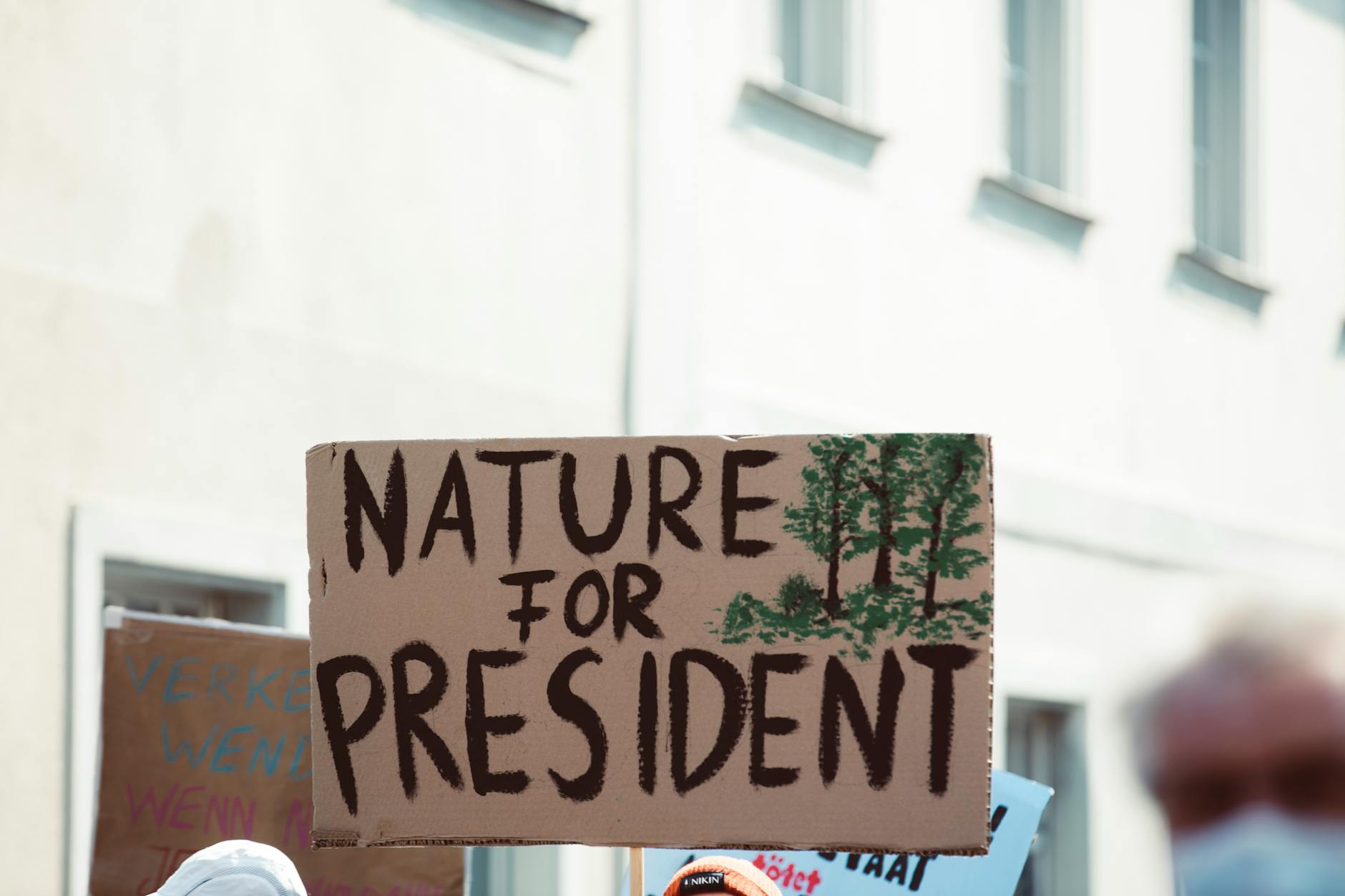
The crux of the controversy lies in the perception that the judiciary’s stance might be shifting against what it perceives as frivolous legal challenges. The Chief Justice’s comments, hinting at a misuse of legal processes, have sparked concerns among environmentalists who argue that their rigorous scrutiny is necessary to safeguard ecological interests against unchecked development.
Environmental protections, much like labour safeguards and civil liberties, have historically emerged from persistent democratic engagement. Critics argue that dismissing environmental activism as obstructionist ignores the nuanced role it plays in ensuring sustainable development. Justice Kant’s controversial choice of words, allegedly referring to certain activists as ‘cockroaches’ and ‘parasites’, has only deepened the rift, raising questions about judicial impartiality and the balance between development and environmental stewardship.
The backlash underscores a broader debate on how India navigates its development trajectory amidst pressing environmental concerns. As the nation aspires to rapid economic growth, clashes between infrastructural ambitions and ecological preservation are becoming increasingly common. The Chief Justice’s remarks, therefore, not only highlight a judicial perspective but also reflect a larger societal tension.
Such tensions are not unique to India. Globally, countries wrestle with aligning growth strategies with climate goals. Yet, in a democracy, the role of the judiciary is to mediate these conflicts judiciously, ensuring that progress does not come at the expense of environmental degradation. As the Supreme Court deliberates on these issues, the environmental community remains vigilant, advocating for a more balanced approach that reconciles development with ecological prudence.