Chief Justice's Remarks Stir Environmentalists' Ire
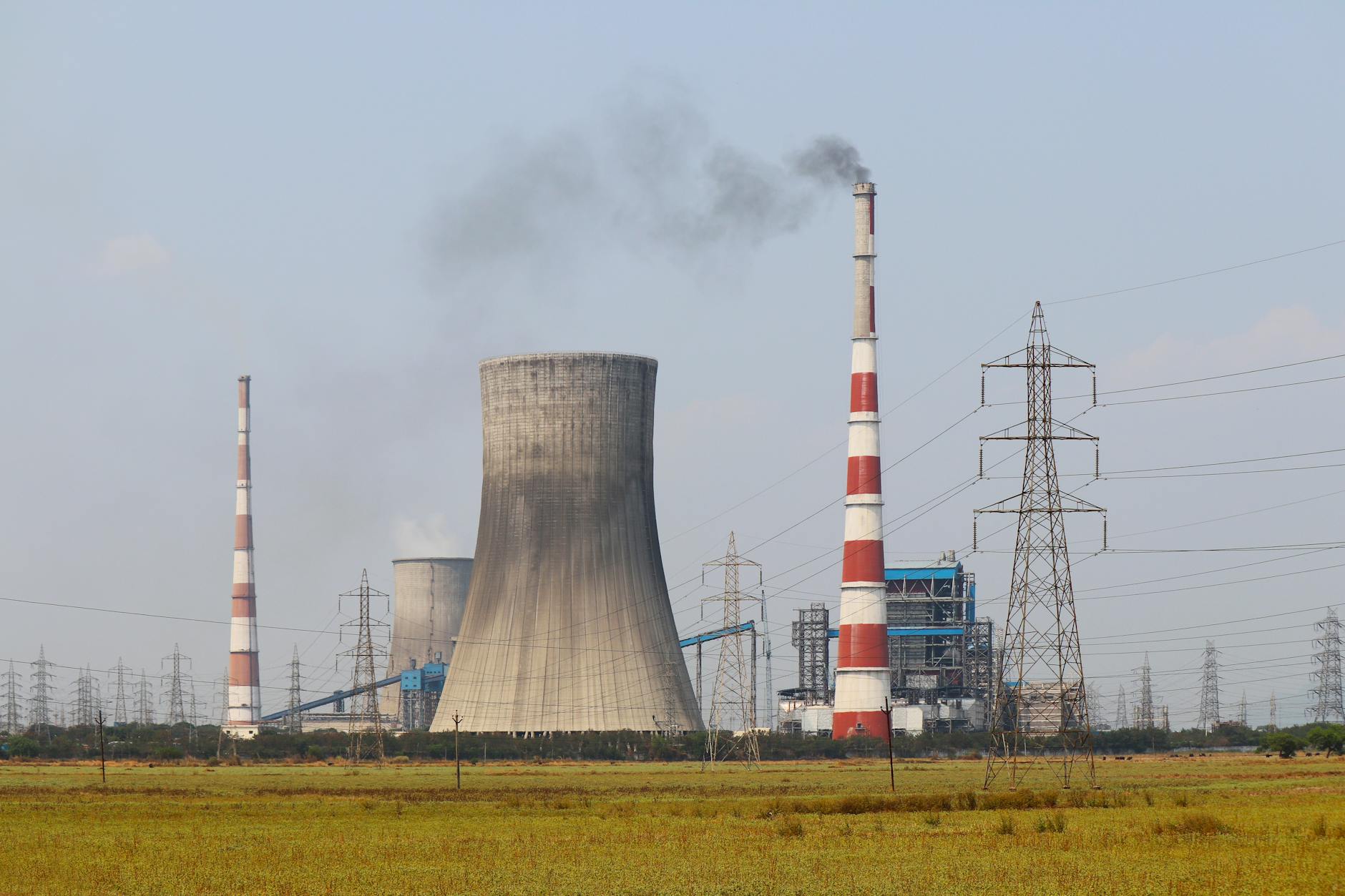
In a courtroom exchange that has captured national attention, Chief Justice Surya Kant has found himself under fire from environmental groups following remarks that were perceived as dismissive of their efforts. Justice Kant's comments, made during a hearing concerning the naming of Navi Mumbai International Airport, suggested that environmental activists rarely support development projects or acknowledge India's progress.
The reaction was swift and unforgiving. Environmentalists, feeling slighted, have called for the Chief Justice to retract his statements. A coalition of green organisations has penned a letter demanding immediate reforms, urging the judiciary to prioritise ecological avoidance and minimisation before considering compensation or offsets.
Environment vs. Development: An Ongoing Tension
The friction between environmental preservation and developmental ambitions is hardly new in India. The subcontinent, with its burgeoning population and rapid urbanisation, often finds itself at the crossroads of growth and conservation. Critics argue that the Chief Justice's remarks could signal a worrying shift in judicial attitudes, potentially undermining years of environmental jurisprudence that have emerged from relentless advocacy.
Justice Kant’s portrayal of environmentalists as perennial naysayers was exacerbated by his alleged comparison of some activists to "cockroaches" and "parasites", comments that have stirred further outrage. Activists argue that such rhetoric risks trivialising legitimate concerns about environmental degradation and its long-term implications for India’s future.
Looking Ahead
The controversy underscores a broader debate about the role of environmental activism in modern India. While development is critical for economic growth and poverty alleviation, it must not come at the expense of ecological stability. The conversation now shifts to how India can navigate this delicate balance, ensuring that progress does not trample on environmental rights.
As the dust settles, one thing remains clear: the call for structural reform is growing louder, and the judiciary’s response could shape the country's environmental policies for years to come.