China Sets Sights on Moon's South Pole with Chang'e-7 Mission
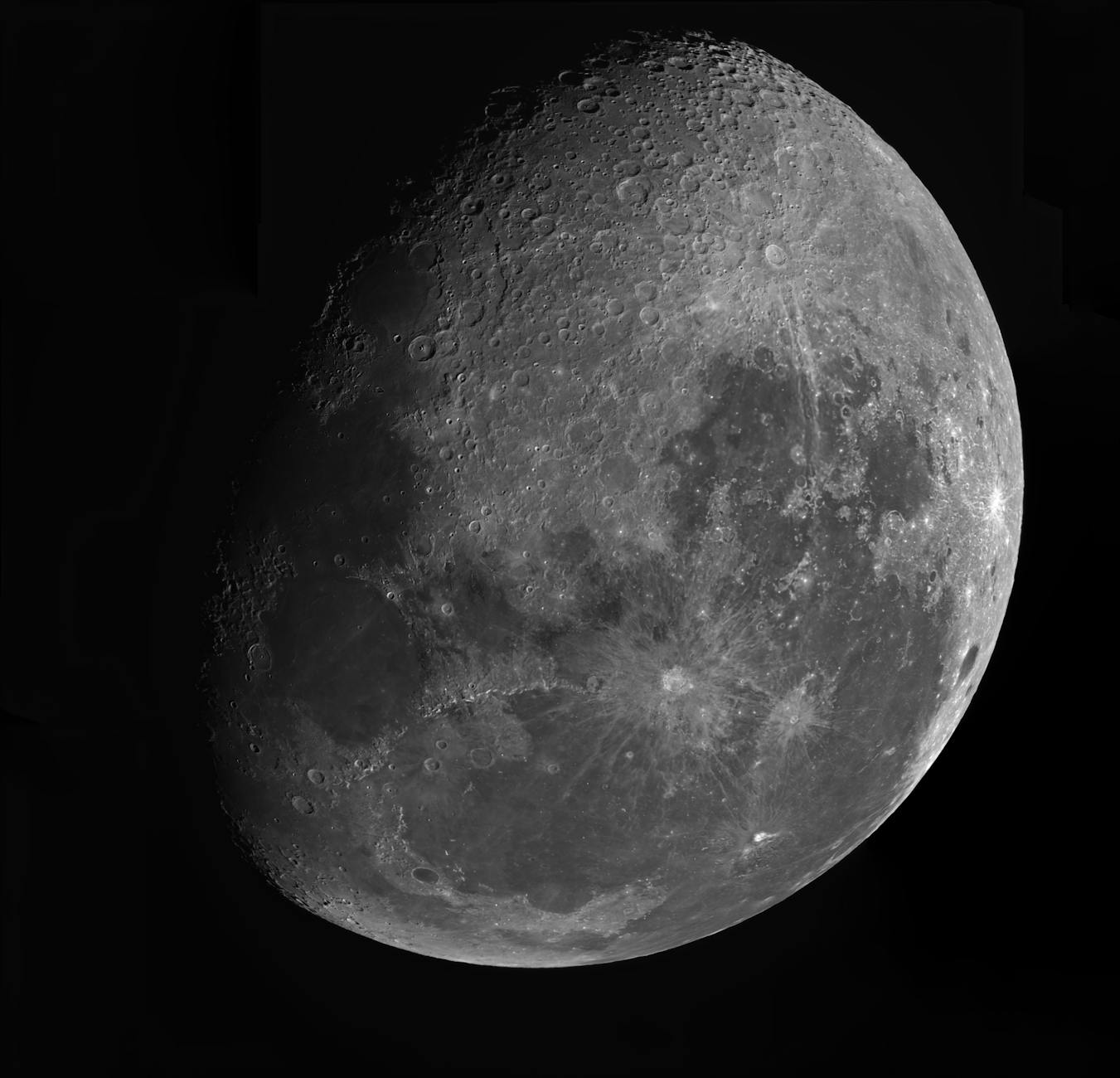
In a bold move that underscores its growing prowess in space exploration, China is poised to launch its Chang'e-7 mission to the Moon's enigmatic south pole. Scheduled for later this year, this mission is not merely about planting a flag or snapping photographs. Instead, China aims to delve deep into the environmental and resource characteristics of this largely unexplored lunar region.
The Chang'e-7 mission will employ a multifaceted approach, combining orbiting, landing, roving, and even hopping technologies. This comprehensive strategy is designed to maximise the scientific output, providing a holistic view of the lunar south pole's environment. It is a region that has piqued the curiosity of scientists worldwide, not least because of the water ice deposits believed to reside there.
China's lunar ambitions are nothing new. The Chang'e programme, named after the Chinese moon goddess, has steadily advanced since its inception. Its previous missions have not only mapped the lunar surface but also returned samples to Earth, establishing China as a formidable player in the new space race. The Chang'e-7 mission, however, represents a significant step forward in this ongoing saga.
Why the South Pole?
The Moon's south pole is a place of scientific intrigue. Its permanently shadowed craters may harbour water ice, a potentially invaluable resource for future lunar bases. Such ice could be used to generate oxygen and fuel, making sustained human presence on the Moon a more feasible reality. By investigating this region, China is not only contributing to lunar science but also staking a claim in the strategic planning for future space exploration.
As international interest in lunar exploration swells, China's mission may well foster collaborations, as indicated by the China Manned Space Agency's openness to international partnerships. The Chang'e-7 mission is not just about exploration; it's about cooperation and the shared human endeavour to understand and utilise our closest celestial neighbour.
Looking Ahead
While the Chang'e-7 mission is a significant stride, it is not the zenith of China's lunar aspirations. The country has plans for further missions, including a lunar base in collaboration with Russia. As we stand on the brink of a new era in space exploration, the Moon's south pole might just hold the key to humanity's next giant leap.