China Sets Sights on Moon's South Pole with New Mission
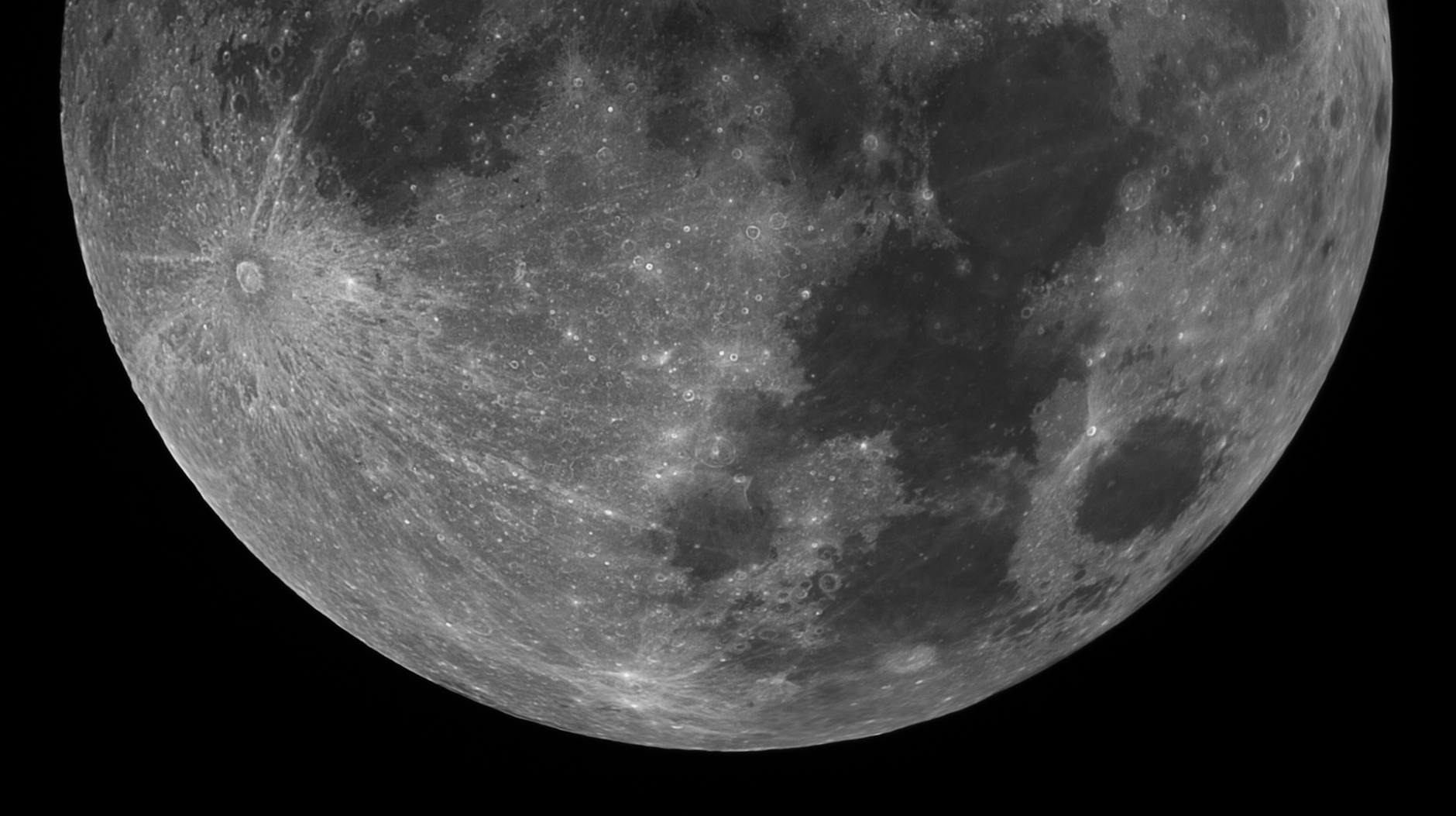
In a bold move to extend its lunar reach, China is preparing to launch its Chang'e-7 mission to the Moon's south pole. This mission is not merely a technical exercise but a strategic manoeuvre to explore the Moon's untapped resources and enigmatic environment. Slated for lift-off in the latter half of 2026, Chang'e-7 is poised to delve into the mysteries of the lunar south pole, a region that has piqued the curiosity of scientists worldwide.
The China Manned Space Agency has earmarked this mission to conduct comprehensive surveys of the lunar environment and resources. The south pole of the Moon, known for its permanently shadowed craters and potential ice deposits, offers a unique opportunity to uncover clues about the Moon's history and evolution. With the prospect of water ice, this region holds promise not just for scientific discovery but also for future human habitation and resource utilisation.
This mission is a continuation of China's ambitious lunar exploration programme, which has steadily advanced since the early 2000s. The Chang'e series, named after the Chinese moon goddess, has already achieved significant milestones, including the first soft landing on the Moon's far side. With Chang'e-7, China aims to enhance its role in international space exploration and collaboration, inviting other nations to join in this scientific endeavour.
The Global Race to the Lunar South Pole
China's interest in the lunar south pole is part of a broader international race to explore this promising region. Other countries, including the United States and Russia, have expressed similar ambitions, recognising the strategic and scientific value of this area. The Moon's south pole is believed to contain vast reserves of water ice, which could be crucial for sustaining future lunar bases and could even be converted into rocket fuel for missions deeper into the solar system.
As nations vie for a foothold on the Moon, the Chang'e-7 mission underscores China's determination to be at the forefront of this new era of space exploration. By focusing on the south pole, China is not just looking at the present but is also positioning itself for a future where lunar resources could redefine human presence in space.
Only time will tell what the Chang'e-7 mission will uncover, but one thing is certain: China's lunar ambitions are reaching new heights, and the world will be watching closely.