China's $9 Billion Robot Dog Revolution: Funded by US Innovation
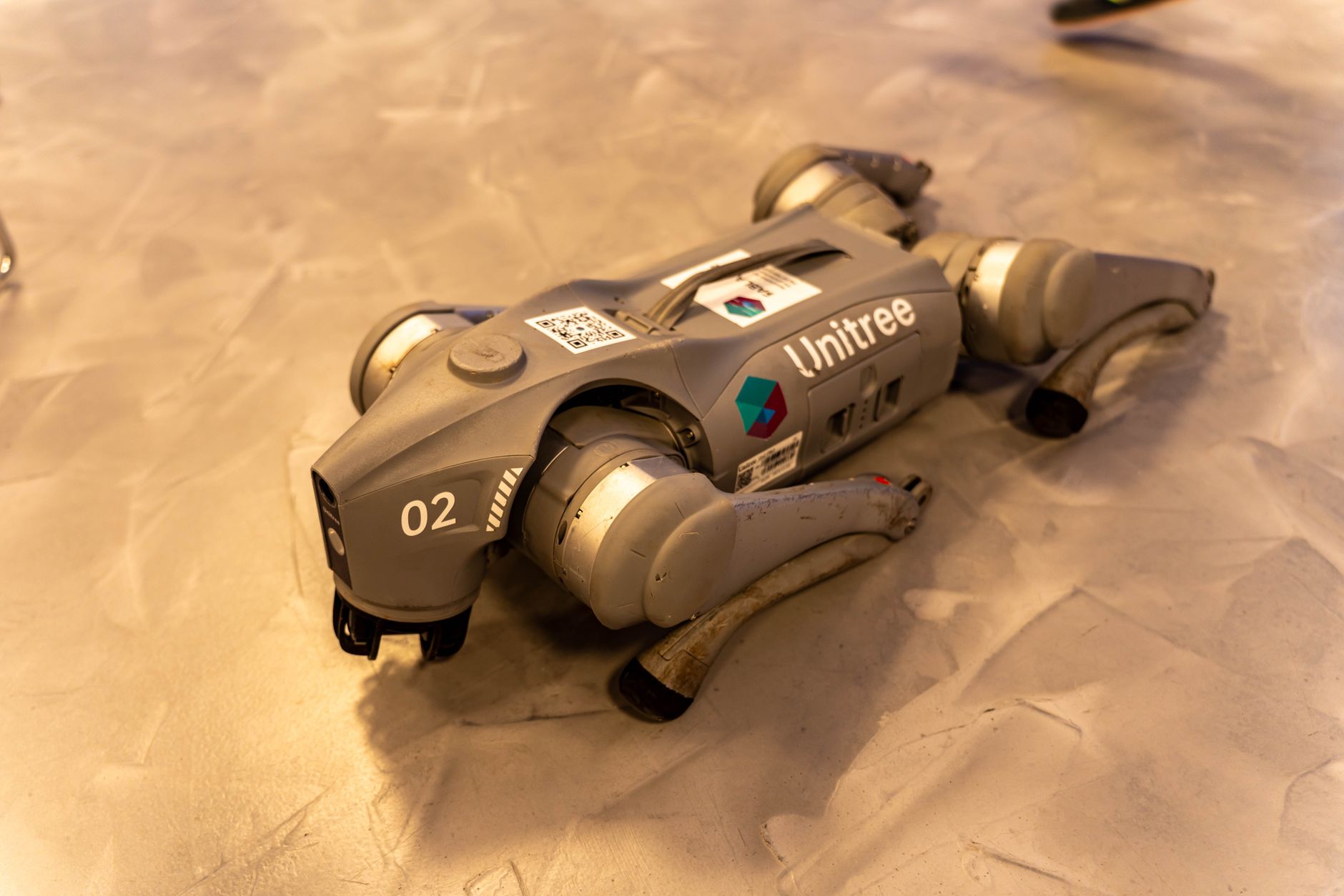
In the world of robotics, where innovation often races ahead of regulation, China's latest coup is both a testament to its manufacturing might and a lesson in technological adaptation. Unitree Robotics, a relatively young firm from Hangzhou, has masterfully utilised US military-funded technology to propel itself to the forefront of the quadruped robot market.
Their flagship product, the Go2 model, priced at an accessible $1,600, has become a dominant force worldwide. This achievement is no small feat, considering the competitive landscape populated by the likes of Boston Dynamics and Ghost Robotics in the United States. Unlike its American competitors, Unitree has managed to scale production with remarkable efficiency, a factor that has positioned it for a potential IPO and a valuation of around $9 billion.
While the US remains a leader in robotics innovation, it lags behind in translating these innovations into mass-market products. The case of Unitree is illustrative of a broader trend: the West often pioneers technology, which is then refined and mass-produced in China. This dynamic is not new, but the rapidity with which Unitree has capitalised on it certainly is.
From Military Roots to Commercial Success
The origins of this technological success story trace back to projects funded by the US Army. According to insiders, Unitree's early designs were heavily influenced by research conducted with American military support. Gavin Kenneally, a former researcher involved in the programme, noted that these projects essentially laid the groundwork for the first scalable Unitree robot.
This raises pertinent questions about the flow of technological knowledge and its subsequent commercialisation. While Boston Dynamics, known for its Spot Mini, is committed to not weaponising its robots, the commercialisation of military-funded technology by foreign entities adds a layer of complexity to international relations and business ethics.
The Road Ahead: Challenges and Opportunities
As Unitree looks to the future, the challenges are manifold. Scaling production further to meet global demand, navigating the intricate dance of international trade politics, and maintaining a technological edge in a rapidly advancing field are just a few of the hurdles. Yet, the opportunities are equally significant. A successful IPO could not only solidify Unitree's position in the global market but also serve as a blueprint for other Chinese tech firms eyeing similar paths.
In the grand scheme of things, China's robotic dog revolution is more than just an economic success story. It is a narrative of technological transfer, adaptation, and the ever-evolving relationship between innovation and commercialisation. As the world watches, the question remains: how will other nations respond?