China's Ambitious Sports Blueprint: A Global Health Initiative
In a move that could reshape both domestic wellness and international sports diplomacy, China has introduced a sweeping sports development blueprint. Announced in Beijing this week, the plan is designed to bolster public health while strengthening global cooperation in the realm of sports.
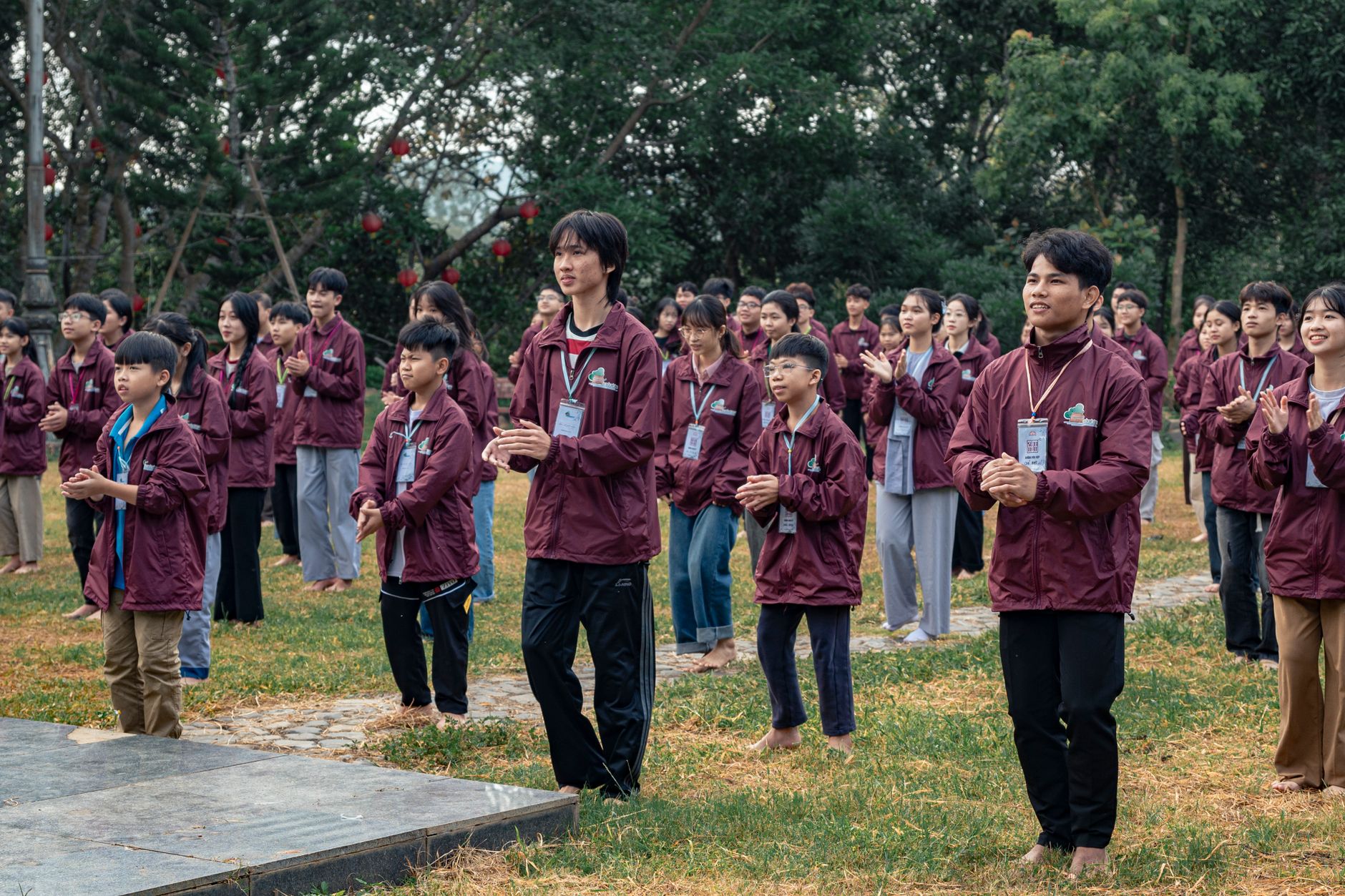
The initiative was unveiled by the Chinese Ministry of Health, which stressed the dual focus: improving the health of its populace and reaching out to the global community. The blueprint includes ambitious goals such as the construction of new sports facilities and youth centres across various provinces, starting with the capital. These centres aim to nurture young talent and promote physical activity among the youth, a demographic increasingly seen as pivotal to the nation's future.
Fostering International Collaboration
China's vision extends beyond its borders, seeking to enhance international partnerships in sports. The country plans to host a series of international sports events and exchange programmes, inviting athletes and sports professionals from around the world to participate. Such moves are expected to not only boost China's influence in global sports but also facilitate cultural exchanges and mutual understanding.
Experts suggest that this approach aligns with China's broader strategy of soft power diplomacy, using cultural and sporting exchanges to project a positive image. It's a tactic that has been employed by other nations with varying degrees of success.
Health at the Core
At the heart of the blueprint is a commitment to improving public health. By encouraging active lifestyles through accessible sports facilities and programmes, China aims to address increasing health issues such as obesity and lifestyle-related diseases. The initiative also highlights the government's recognition of sports as a vital component of national health policy.
While critics may argue about the feasibility and underlying motives, the blueprint represents a significant step forward in integrating health and diplomacy. It remains to be seen how effectively these aspirations will translate into tangible outcomes, but the ambitious scope is undeniable.