China's Factories: From Global Supplier to Industrial Backbone
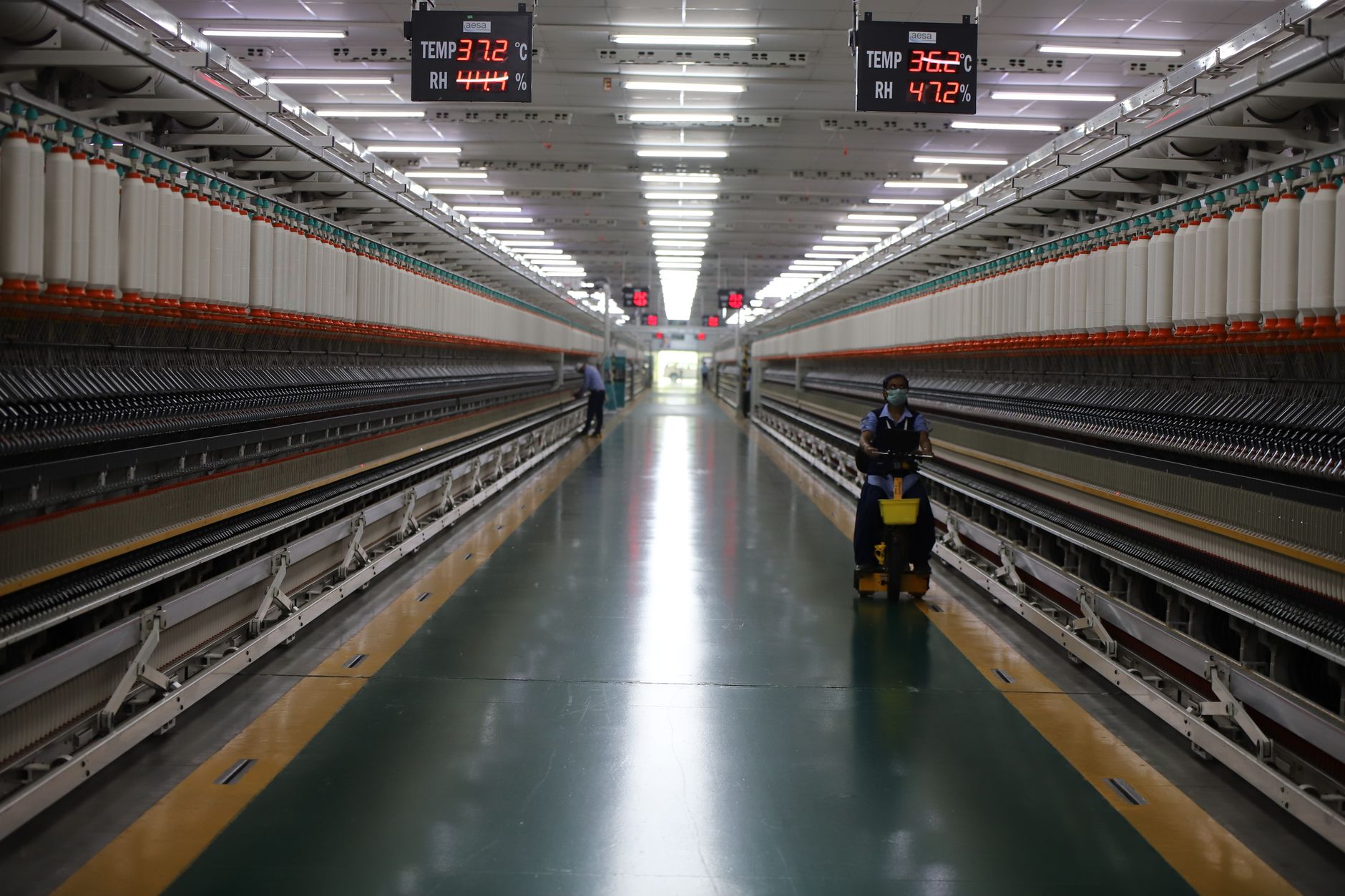
In the bustling city of Lishui, a new chapter in global manufacturing is quietly unfolding. Inside a state-of-the-art factory, the hum of machinery echoes the sound of China's industrial metamorphosis. Here, the focus is no longer solely on producing consumer goods but rather on crafting the very engines of the world's factories.
This subtle yet profound shift marks China’s transition from being the world’s factory to becoming a vital supplier of industrial machinery and components. In recent months, China's exports have surged with an impressive pace, reaching $500 million an hour in April alone. This is not merely a testament to the resilience of its manufacturing sector but also a strategic move up the value chain.
The Changing Face of Chinese Industry
Historically, China has been synonymous with mass production, flooding global markets with affordable goods. However, as the world's second-largest economy grapples with a sluggish property market and tepid consumer spending at home, it has found new vigour in supplying the tools that power international manufacturing.
China's factories are now producing sophisticated components and systems integral to industrial operations worldwide. This evolution is not just about maintaining export figures amid domestic economic challenges but also about securing a pivotal role in the global supply chain of the future.
Implications for Global Trade
For many countries, this development presents a double-edged sword. On one hand, China's role as a provider of critical industrial components is indispensable for maintaining global production levels. On the other hand, it underscores the complexities of dependency on a single nation for vital infrastructure.
As China continues to refine its industrial capabilities, it redefines its position not just as a manufacturer of goods but as a cornerstone of global industrial infrastructure. This transformation could well be one of the most significant industrial transitions of our time, with far-reaching implications for global trade dynamics.
While some nations may seek to curb the influx of Chinese goods, the reality remains that China's factories are not just competing in the present but are positioning themselves as the architects of future industrial growth. The world, it seems, will continue to turn to China for the machinery that makes the gears of commerce grind.