China's Gene-Editing Tragedy: A Wake-Up Call for Regulation
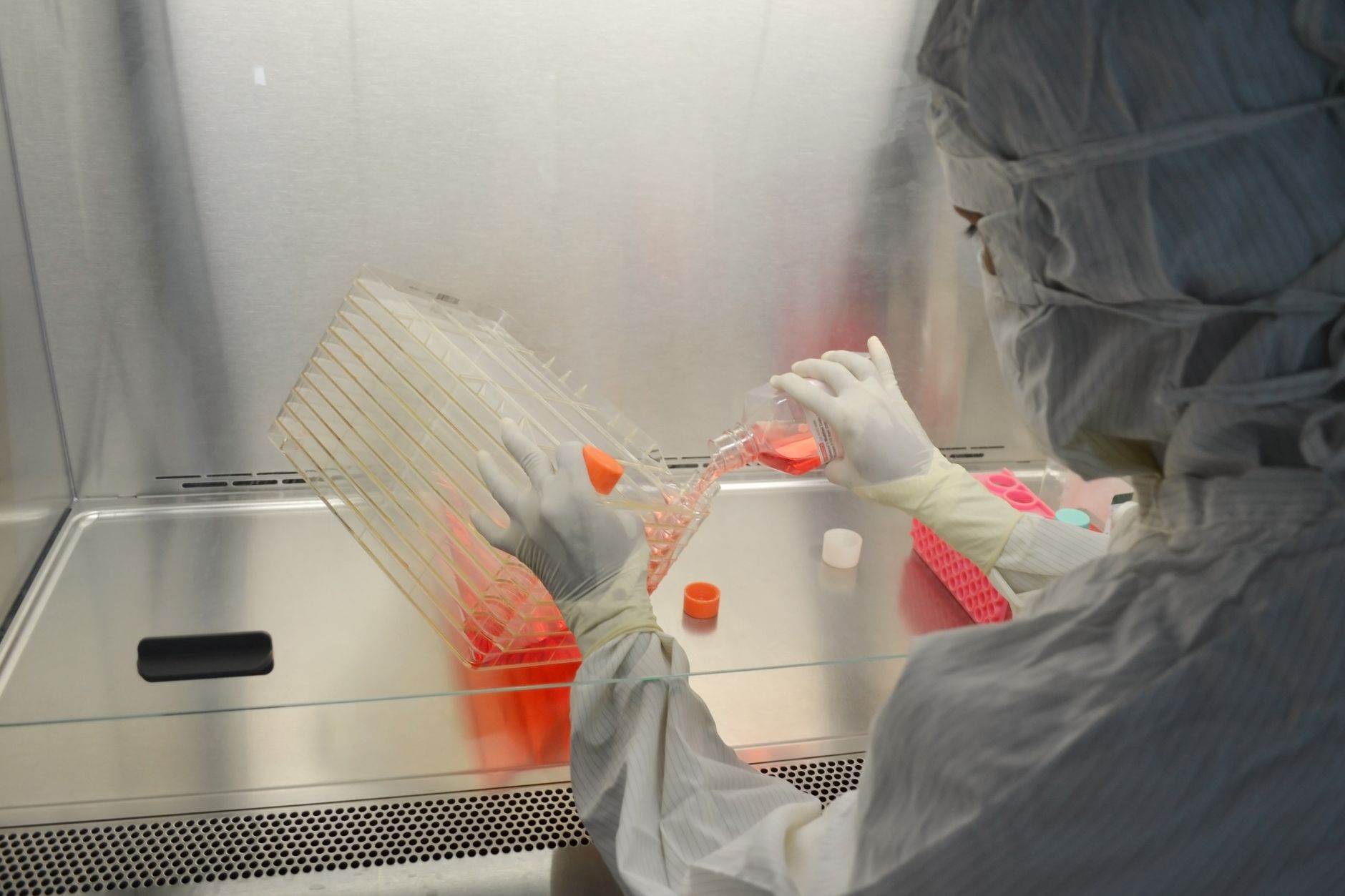
In the bustling metropolis of Shanghai, the death of a six-year-old girl has brought to light the precarious intersection of ambition and ethics in the realm of biotechnology. The young girl, who suffered from a neurodevelopmental syndrome, was subject to an experimental gene-editing treatment—an attempt to correct genetic anomalies. However, instead of a breakthrough, the treatment resulted in tragedy.
The incident has sparked a wave of scrutiny over China's rapidly expanding gene-editing landscape, where regulations lag behind scientific advancements. The trial, reportedly conducted without adequate oversight, has laid bare the potential dangers of unchecked scientific exploration.
Ethical Concerns and Transparency
This tragic case highlights the urgent need for stringent regulatory frameworks. While China's biotechnology ambitions have been lauded for pushing the boundaries of science, this incident raises significant ethical concerns. The lack of transparency, particularly the non-disclosure of the trial in published research, has fuelled debates about the moral responsibilities of scientists and institutions.
According to a joint investigation by Science and Retraction Watch, the gene-editing trial was not fully disclosed, prompting a university in China to launch an investigation into the matter. This move, though reactive, underscores the imperative of proactive governance in scientific endeavours.
The Human Cost of Progress
As the world watches China’s burgeoning biotechnology sector, the death of the young girl serves as a stark reminder of the human cost associated with scientific progress. It is a call to action for global regulatory bodies to establish robust ethical guidelines and ensure transparency in experimental trials.
The situation in China is not isolated. As technology outpaces regulation globally, the international community faces a collective challenge: how to balance innovation with ethical responsibility. The lessons from this tragedy must inform future policies to prevent further loss of life and to safeguard the integrity of scientific research.