China's Move to Curb Solar Tech Exports Sparks Global Ripples
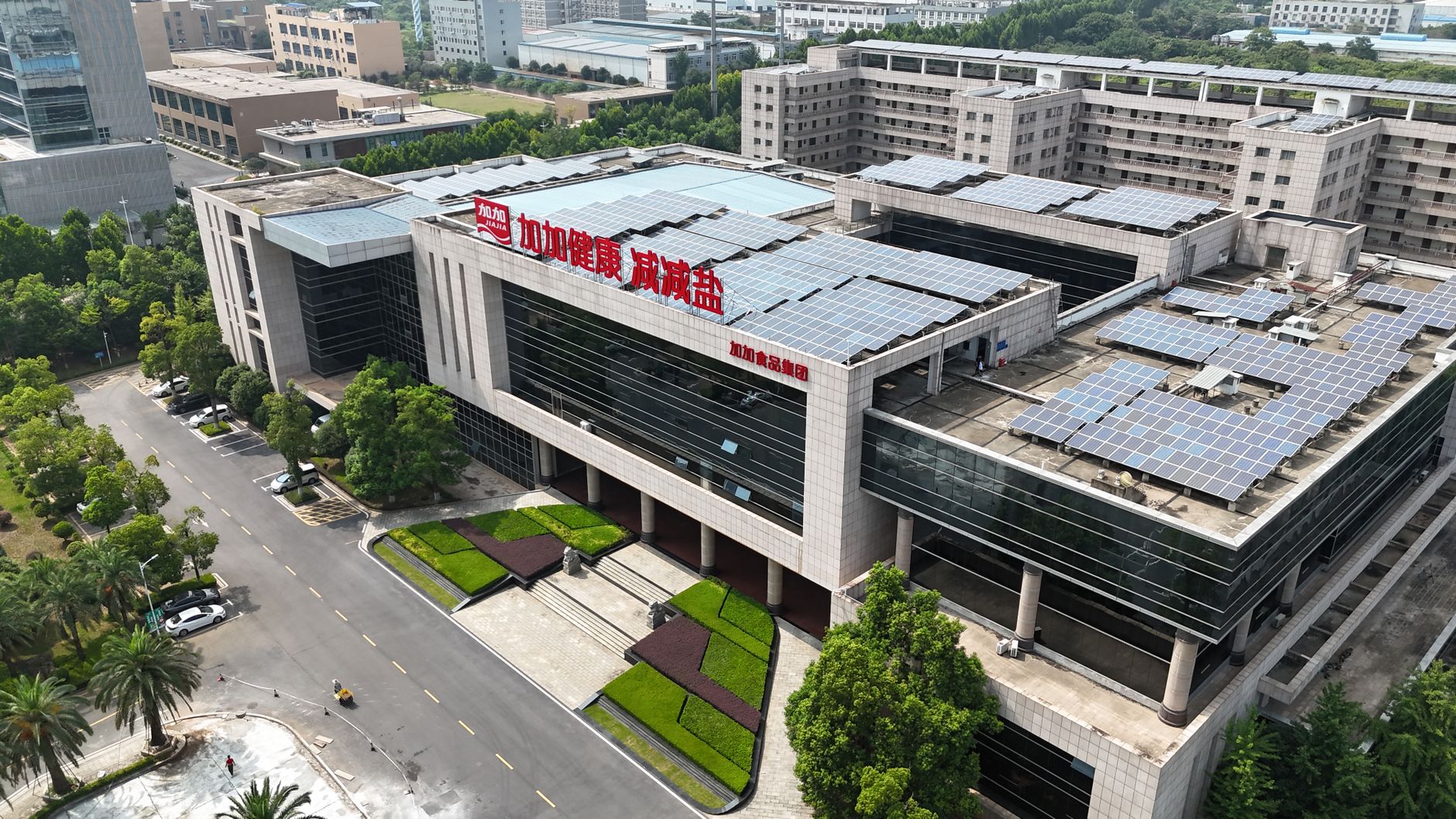
In a strategic manoeuvre that underscores the growing intersection of geopolitics and renewable energy, China has proposed export controls on twelve solar manufacturing technologies. This development, announced by China's Ministry of Commerce, is ostensibly rooted in national security concerns. Yet, it has far-reaching implications for the global clean energy supply chain.
The targeted technologies include the production know-how and equipment for perovskite and tandem solar cells, innovations that have been hailed as the future of solar energy due to their efficiency and potential cost-effectiveness. While the draft regulations do not restrict the export of finished solar panels, they do aim to curb the outflow of critical manufacturing technologies.
Impact on Global Solar Industry
China's position as a dominant player in the solar industry means that any restrictions on its exports can have significant global repercussions. Companies around the world, particularly those in regions striving for energy independence, are watching closely. Firms like Tesla, which have been eyeing expansion in solar manufacturing, could face strategic recalibrations.
Analysts suggest this move reflects Beijing's intent to maintain its technological edge while balancing its strategic interests. The proposed controls are part of a broader revision of export regulations that also include artificial intelligence and biotechnology, signalling a comprehensive approach to safeguarding China's technological advancements.
Striking a Balance
The announcement has sparked a debate about the balance between national security and international cooperation in achieving climate goals. While China argues that the controls are necessary for its national security, critics warn that such measures could slow down the global transition to renewable energy, a sector where international collaboration is crucial.
As nations grapple with the challenges of climate change, ensuring access to advanced technologies is key. China's export control proposal, thus, adds a layer of complexity to the ongoing discussions about energy security and sustainable development.
Ultimately, how this proposal will unfold remains to be seen. However, it underscores the delicate dance between safeguarding national interests and fostering global progress in the quest for a greener future.