China's New Export Controls Could Reshape Solar Industry
In a move that could significantly alter the dynamics of the global solar industry, China has proposed stringent export controls on twelve technologies pivotal to solar equipment manufacturing. The announcement, citing national security considerations, has emerged as part of a broader initiative that also examines technologies in artificial intelligence and biotechnology.
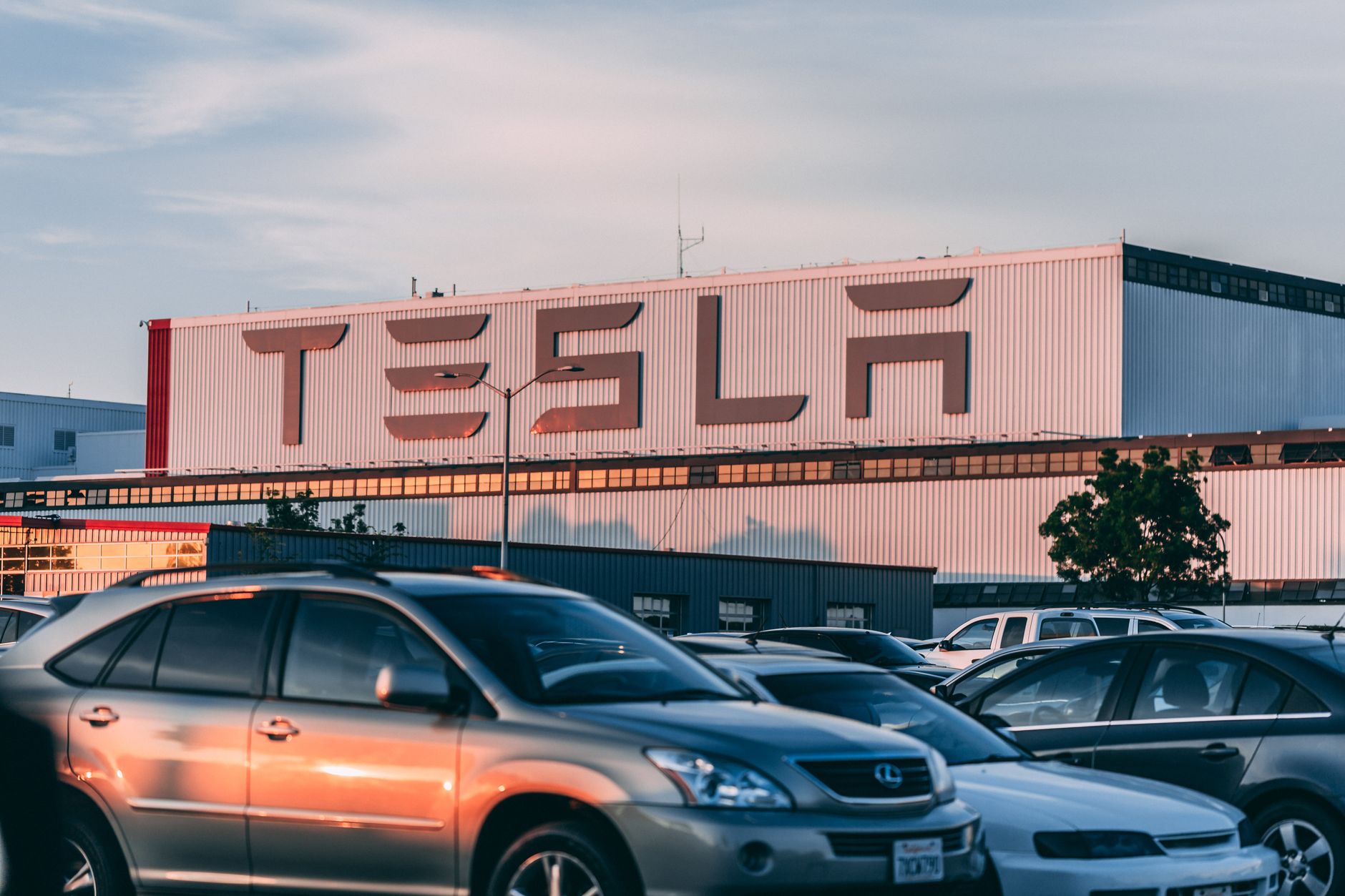
The Ministry of Commerce in China revealed the proposed changes on Friday, adding that the inclusion of photovoltaic technologies to the export-control list is imperative as these are increasingly being utilised in sensitive sectors like aerospace and national defence. This decision, however, is not just about safeguarding national interests. It poses potential ramifications for international companies, notably those like Tesla, which are keen on expanding their production capabilities overseas.
Implications for Global Industry
China's decision comes at a time when the world is grappling with a transition towards renewable energy sources. The nation is a global leader in solar technology, accounting for a significant portion of the world's solar panel production. Restricting the export of these technologies could therefore slow down the spread of solar energy infrastructure worldwide, a development that might not align well with global climate goals.
Moreover, these controls may exacerbate existing tensions between China and other major economies over technology and trade. The intertwining of industrial policy with national security concerns reflects a growing trend among nations to protect strategic industries from foreign influence.
Industry Reactions
The proposal has elicited a mix of reactions across the industry. Proponents argue that such measures are necessary to keep cutting-edge technologies from being exploited by rival nations or used in ways that could compromise national security. Critics, however, warn that these restrictions might stifle innovation and lead to retaliatory trade measures from affected countries.
As the world watches closely, one thing is clear: China's latest move could redefine the contours of the global solar manufacturing landscape, challenging nations to balance energy ambitions with security imperatives.