China's Robot Games: A Decade of Strategic Innovation
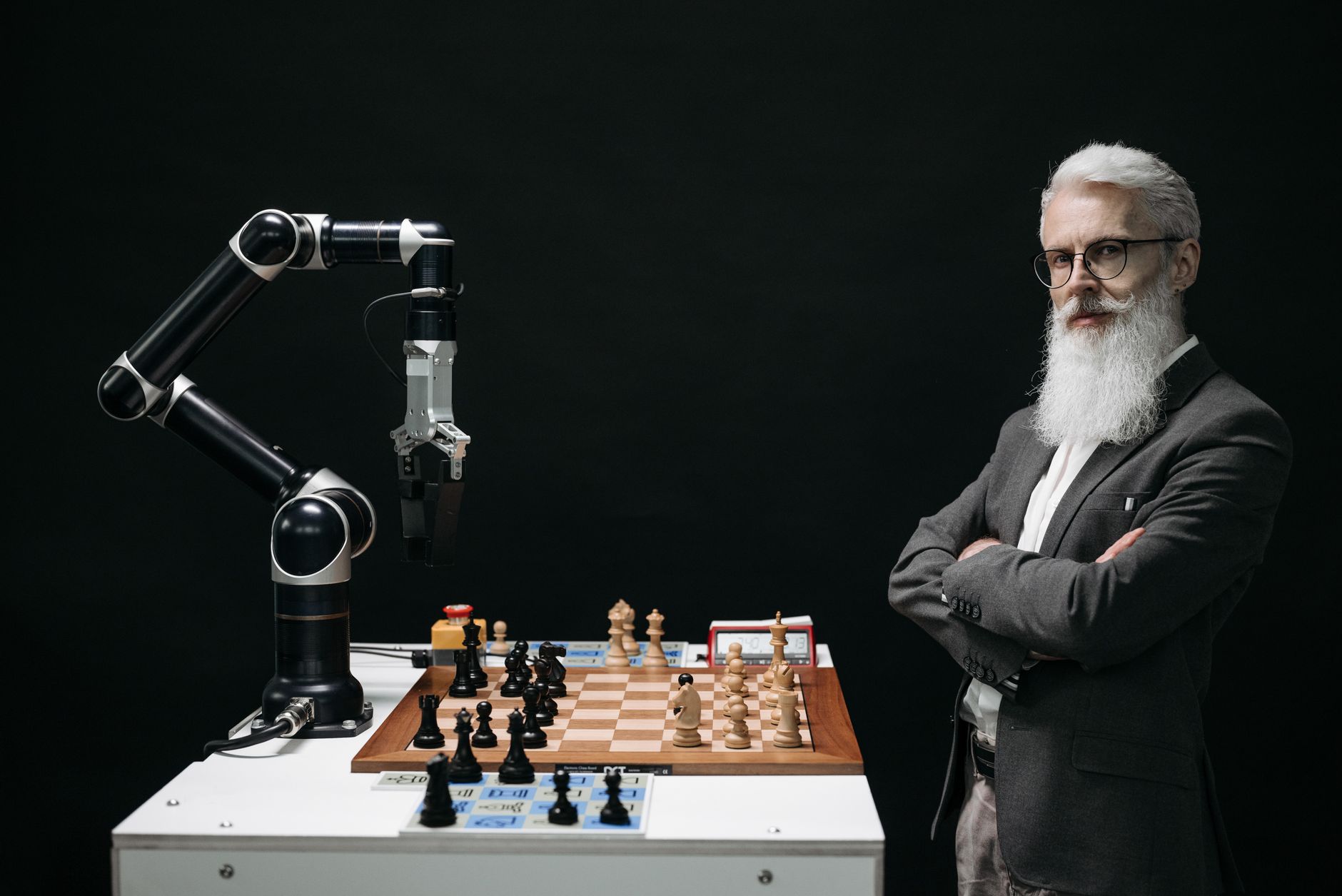
In a decade marked by rapid technological advancements, China's robotic competitions have emerged as a key indicator of the nation's aspirations and capabilities. What began as modest science fairs have now evolved into a formidable showcase of strategic significance, underscoring China's ambitions in the global tech arena.
These competitions, often dubbed the 'Robot Olympics', are more than mere exhibitions of mechanical prowess. They reflect a broader narrative of China's strategic intent, as outlined by President Xi Jinping, who has placed the robotics industry at the heart of China's technological future. The events have become a breeding ground for innovation, bringing together the brightest minds and the latest technologies in the field.
China's dominance in these competitions is not accidental. It is the result of a concerted effort to position itself as a leader in a sector that is poised to revolutionise industries from manufacturing to healthcare. The government has invested heavily in education and research, ensuring that the talent pool is both deep and well-equipped to tackle the challenges of modern robotics.
The Strategic Shift
The journey from student tournaments to a strategic showcase has not been without its challenges. Initially, these competitions were platforms for young innovators to test their skills. However, as the stakes have risen, so too has the sophistication of the entries. The competitions now feature humanoid robots and industrial applications, highlighting the tangible progress towards commercial viability.
This evolution is not just about technological advancement; it also speaks to China's industrial ambitions. The falling costs of robotics, driven by these competitions, have made the technology more accessible, paving the way for widespread adoption across various sectors. As a result, China's influence in the global robotics market continues to grow, challenging established players and setting new benchmarks.
Global Implications
The implications of China's robotic prowess extend far beyond its borders. As the country continues to assert its dominance in this field, others are watching closely. The knowledge and innovations emerging from these competitions are likely to shape the future of robotics worldwide, influencing everything from policy decisions to economic strategies.
In conclusion, the transformation of China's robot games from a simple science fair to a strategic showcase is a microcosm of the country's broader technological trajectory. As the world grapples with the implications of rapid technological change, China's approach offers both a blueprint and a challenge to others seeking to harness the power of robotics.