China's Robot Games: From Humble Beginnings to Global Stage
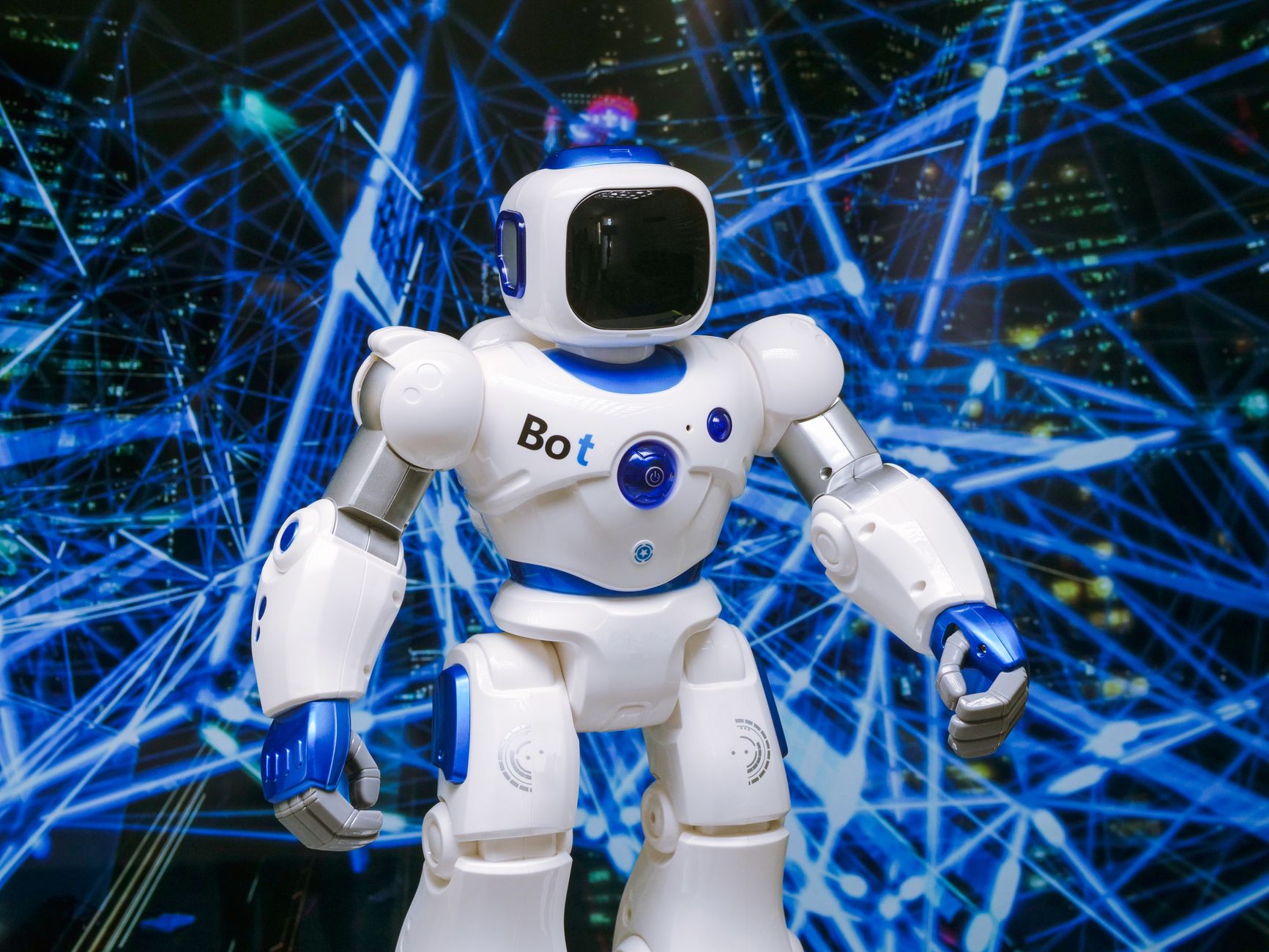
Once a modest gathering of curious students and aspiring engineers, China's robot games have undergone a remarkable transformation. These competitions have evolved into a strategic platform that not only celebrates technological ingenuity but also underscores China's ambitions in the global technology arena.
Dubbed the 'Robot Olympics', these events now attract a multitude of participants ranging from schoolchildren to seasoned professionals, all vying for the honour of showcasing their creations. Unlike the traditional Olympics, where athletic prowess is the measure of success, these games focus on innovation, precision, and the potential for real-world applications.
Central to this transformation is the strategic importance placed on robotics by the Chinese government. President Xi Jinping has often highlighted the sector as a crucial component of China's industrial future. The nation aims to lead in automation and robotics, sectors that promise to redefine manufacturing, healthcare, and everyday life.
Evolution of the Games
The journey from science fair to strategic showcase has been driven by rapid advancements in technology and significant government backing. Early iterations of the games were simple affairs, often featuring rudimentary machines cobbled together in school workshops. Fast forward a decade, and the competitions are now a display of cutting-edge technology, complete with humanoid robots and AI-driven systems.
These events have not only mirrored the technological progress within the country but have also served as a catalyst for further innovation. The competitive spirit and national pride associated with these games have spurred participants to push the boundaries of what's possible, resulting in robots that are increasingly sophisticated and commercially viable.
The Global Implications
China's dominance in these competitions reflects its broader ambitions on the global stage. As the cost of technology continues to fall, the potential applications of robotics are boundless, from automated manufacturing to personal assistance devices. The innovations emerging from these competitions are likely to have far-reaching implications, challenging existing players in the global market.
In essence, China's robot games have become much more than a series of competitions. They are a testament to the country's strategic foresight and a glimpse into a future where robotics plays a central role in daily life. By fostering such talent and innovation, China is not just participating in the global race for technological supremacy but is positioning itself as a formidable leader.