China's Solar Export Controls: A New Front in Tech Tensions
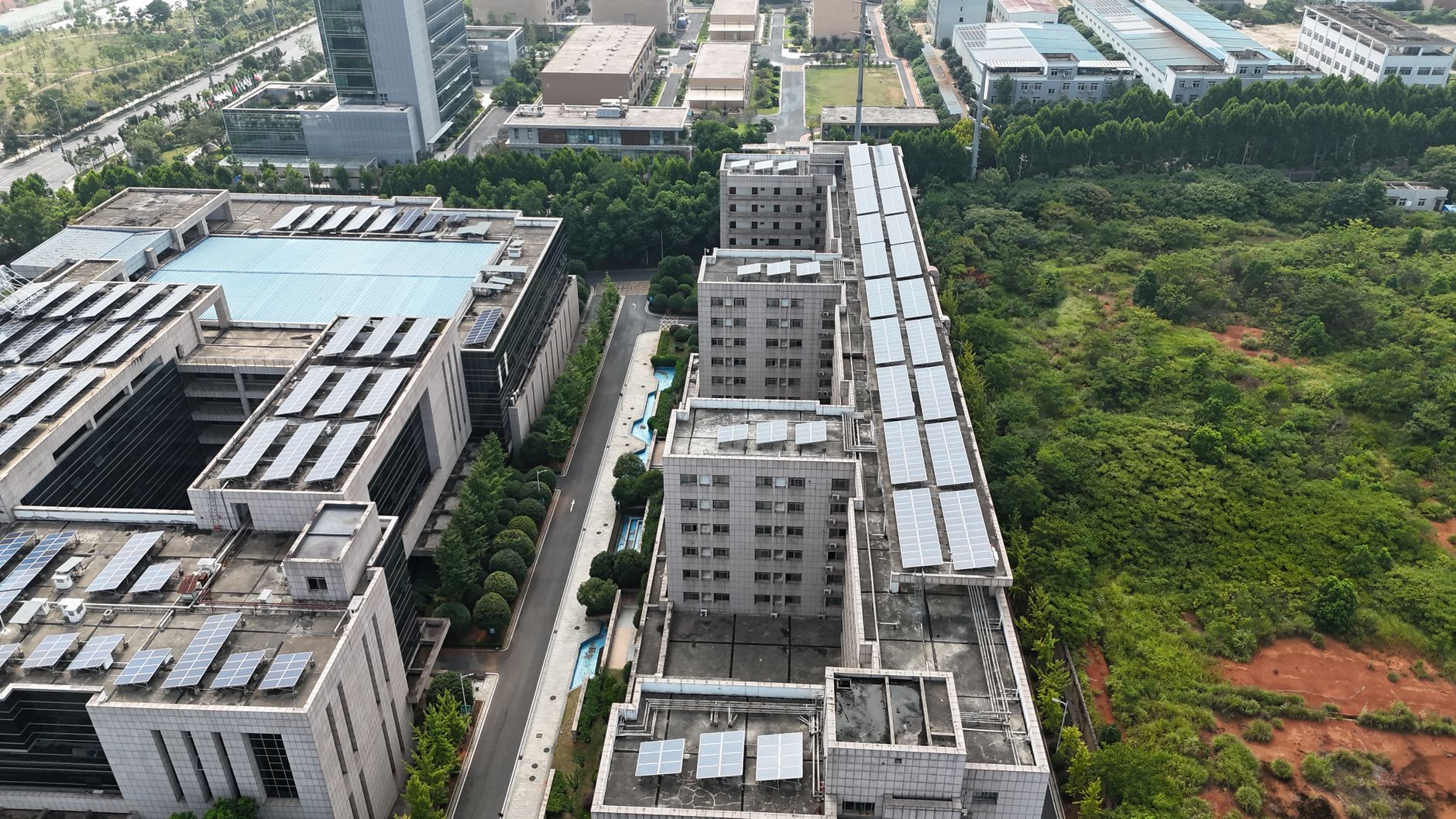
In a move that could escalate existing tensions, China is proposing to impose export controls on solar-manufacturing technologies. This decision appears to be a strategic countermeasure in response to the United States' recent initiatives targeting Chinese-linked solar producers. By limiting the export of its advanced solar equipment, China is poised to wield significant influence over the global solar technology market.
The proposed restrictions specifically target the export of large-format wafer technologies. These technologies are crucial for producing high-efficiency solar panels, a domain where China maintains a stronghold thanks to its vertically integrated solar PV value chain. Companies like LONGi have been pivotal in this regard, underscoring China's dominance in solar manufacturing and its commitment to accelerating the clean energy transition.
Analysts suggest that this move could be a calculated response to the US's recent trade enforcement actions against solar manufacturers in Vietnam and other Southeast Asian countries. These actions, aimed at curbing unfair trade practices linked to Chinese manufacturing, have not gone unnoticed by Beijing. By potentially restricting exports, China could complicate efforts by American companies to develop domestic solar manufacturing capacities, especially as they might need to rely on Chinese expertise and equipment.
The Global Implications
Such export controls could reverberate across the international solar sector. The United States, for instance, might face hurdles in its ambition to establish a robust domestic solar manufacturing industry. The need to import tools and expertise from Asia, now potentially restricted, could delay these efforts significantly.
Moreover, this development highlights the broader technological rivalry between the two superpowers. As they jostle for dominance in cutting-edge technologies like AI, biopharma, and now solar manufacturing, each move is closely scrutinised, potentially signalling the beginning of a new era of tech-driven geopolitical strategy.
While the world watches how these proposed controls unfold, the stakes are high. The decisions made in Beijing could set a precedent for future tech trade relations, affecting global supply chains and the pace of the renewable energy revolution.