China's Solar Technology Export Controls Signal Strategic Shift
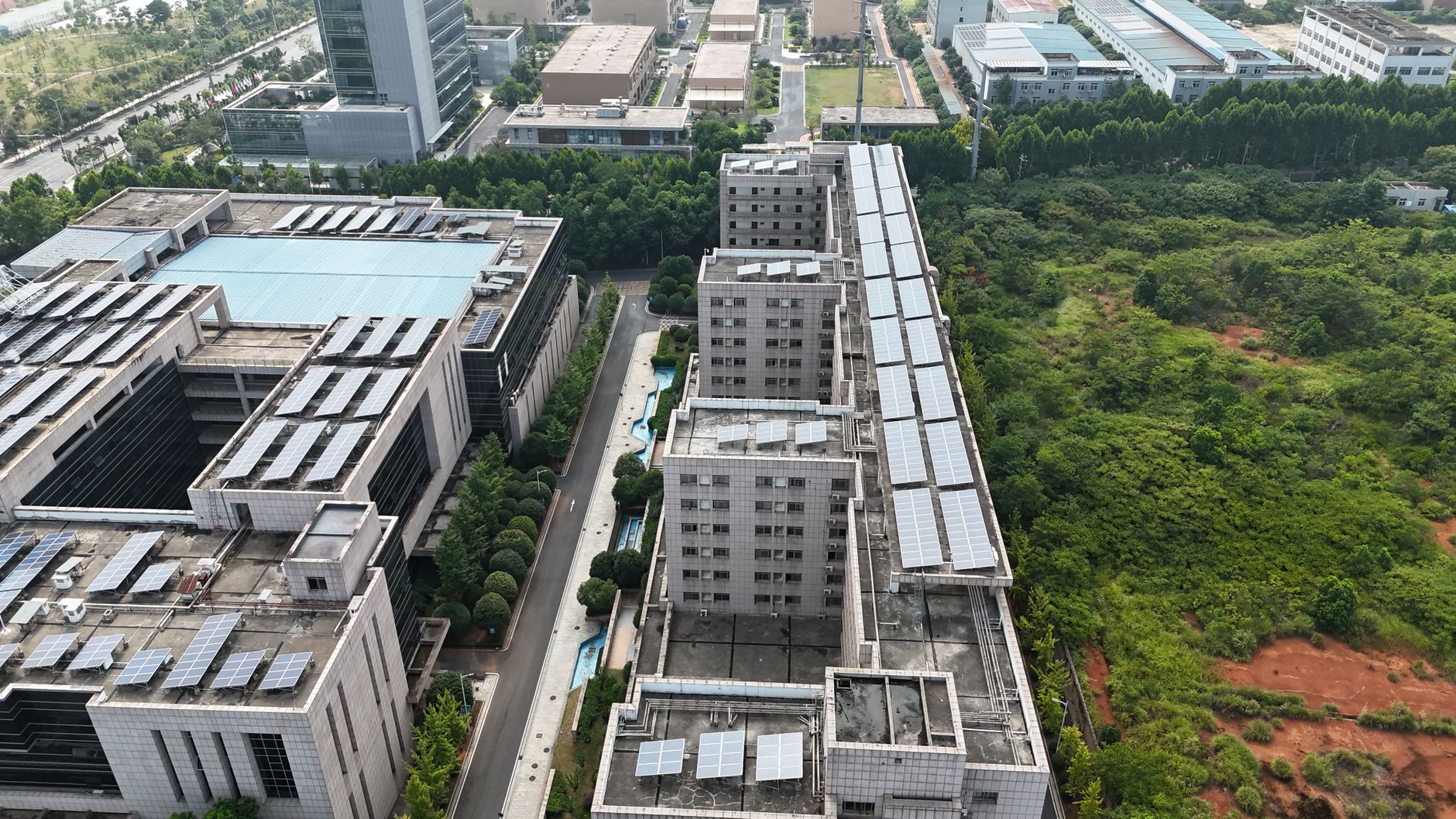
China, the undisputed titan of solar panel manufacturing, has unveiled plans to impose export controls on critical solar-manufacturing technologies. The decision, announced on 9th October 2025, is part of a broader initiative addressing national security concerns and extending to artificial intelligence and biotechnology sectors.
Specifically, China aims to restrict the export of high-efficiency perovskite and tandem solar technologies. These innovations are pivotal in enhancing solar energy efficiency and reducing costs. The nation’s move to clamp down on these exports could reverberate across the global renewable energy market, given that China currently produces over 80 percent of the world’s solar panels.
Implications for Global Solar Market
The ramifications of China's decision are manifold. By restricting access to advanced technologies, countries dependent on Chinese solar equipment might face increased production costs and slowed progress in solar energy projects. This could further complicate global efforts to transition to renewable energy sources, a goal underscored by international climate agreements.
Moreover, the restrictions align with China's strategy to maintain its dominance in the solar industry while safeguarding its technological advancements. These controls could prompt other nations to ramp up their domestic capabilities, potentially spurring innovation but also leading to increased competition and geopolitical tension.
Strategic Considerations and Future Outlook
China’s move can be seen as both a defensive and an offensive strategy. On one hand, it aims to protect its technological edge in the face of escalating global competition. On the other, it reinforces its position as a solar superpower, capable of influencing international market dynamics.
For the rest of the world, this serves as a clarion call to reassess supply chain dependencies and invest in indigenous technology development. How countries respond to this challenge could shape the future trajectory of global solar manufacturing and, ultimately, the pace of the global clean energy transition.