China's Supercomputer Surpasses US in Global Rankings
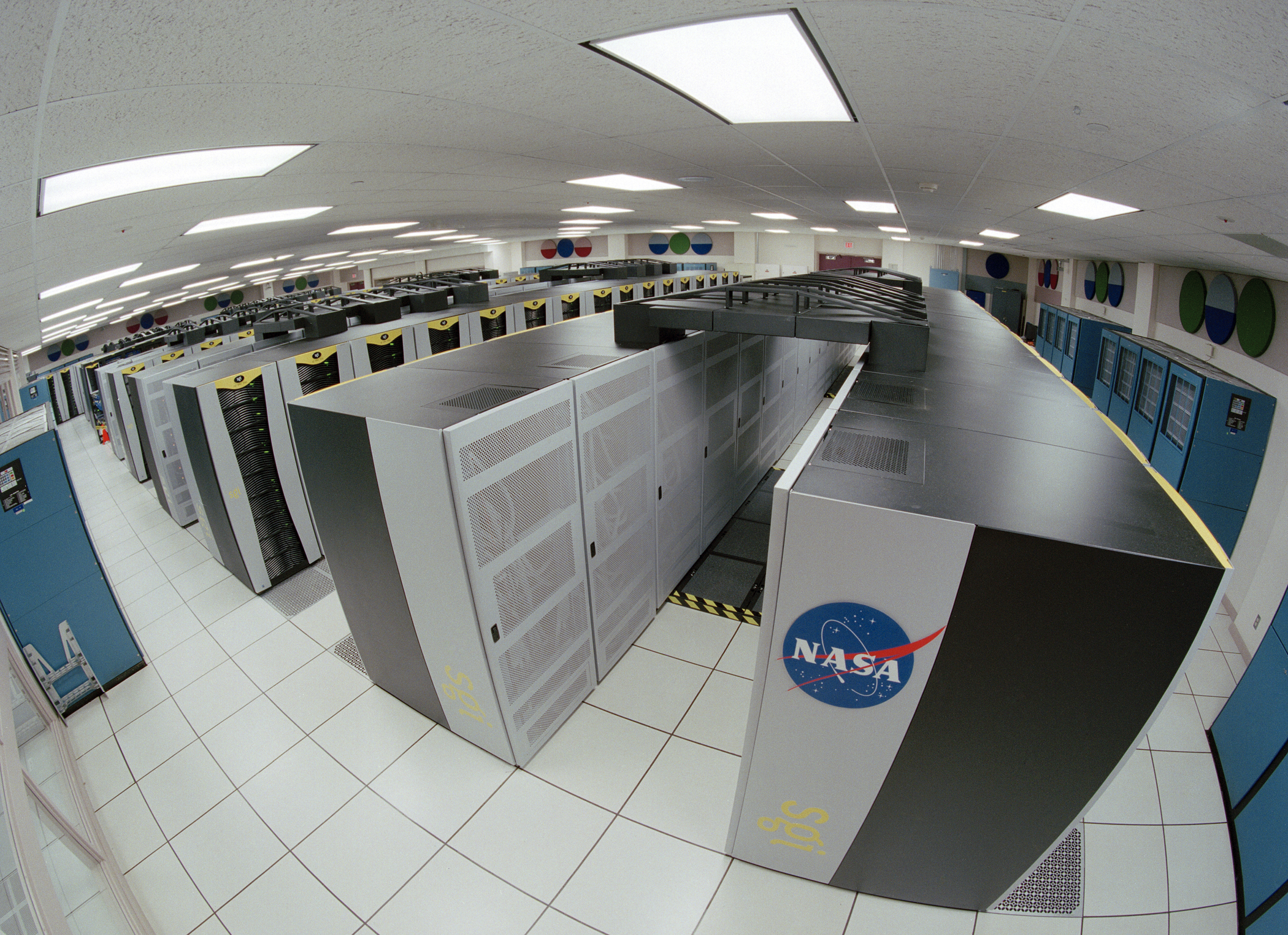
China has once again demonstrated its growing prowess in the field of supercomputing. The latest entrant in the race for the fastest supercomputer has not only surpassed its American rivals but has also set a new benchmark in computational speed. This breakthrough underscores China's determination to lead in technology and innovation on the global stage.
The supercomputer, developed by China's National Supercomputing Centre, has achieved unprecedented speed, making it the fastest of its kind. This advancement is particularly significant as it comes at a time when technological supremacy is increasingly seen as a key determinant of geopolitical influence.
The Implications of Technological Dominance
For years, the United States has held the lead in supercomputing technology, a field crucial for scientific research, climate modelling, and national security. However, China's latest achievement signifies a shift in this balance. The supercomputer's capabilities could accelerate advancements in various fields, from artificial intelligence to complex simulations, potentially giving China an edge in both economic and military domains.
This development is likely to fuel further competition between the two countries, as they vie for technological supremacy. The United States, which has long prided itself on being at the forefront of technological innovation, may now need to invest more heavily in its own capabilities to keep pace with China's advancements.
Global Reactions and Future Prospects
The international community has reacted with a mixture of admiration and concern. While some countries view China's achievement as a testament to human ingenuity and progress, others are wary of the potential geopolitical ramifications. As the race for technological dominance intensifies, the world watches closely, aware that the outcomes could reshape global power structures.
In conclusion, China's leap forward in supercomputing is more than just a technical triumph. It is a strategic victory that could redefine the landscape of global technology and influence. As nations scramble to respond, the quest for the fastest supercomputer becomes a symbol of broader geopolitical shifts.