Chinese Mining Firm's Role in Mozambique's Mangrove Loss
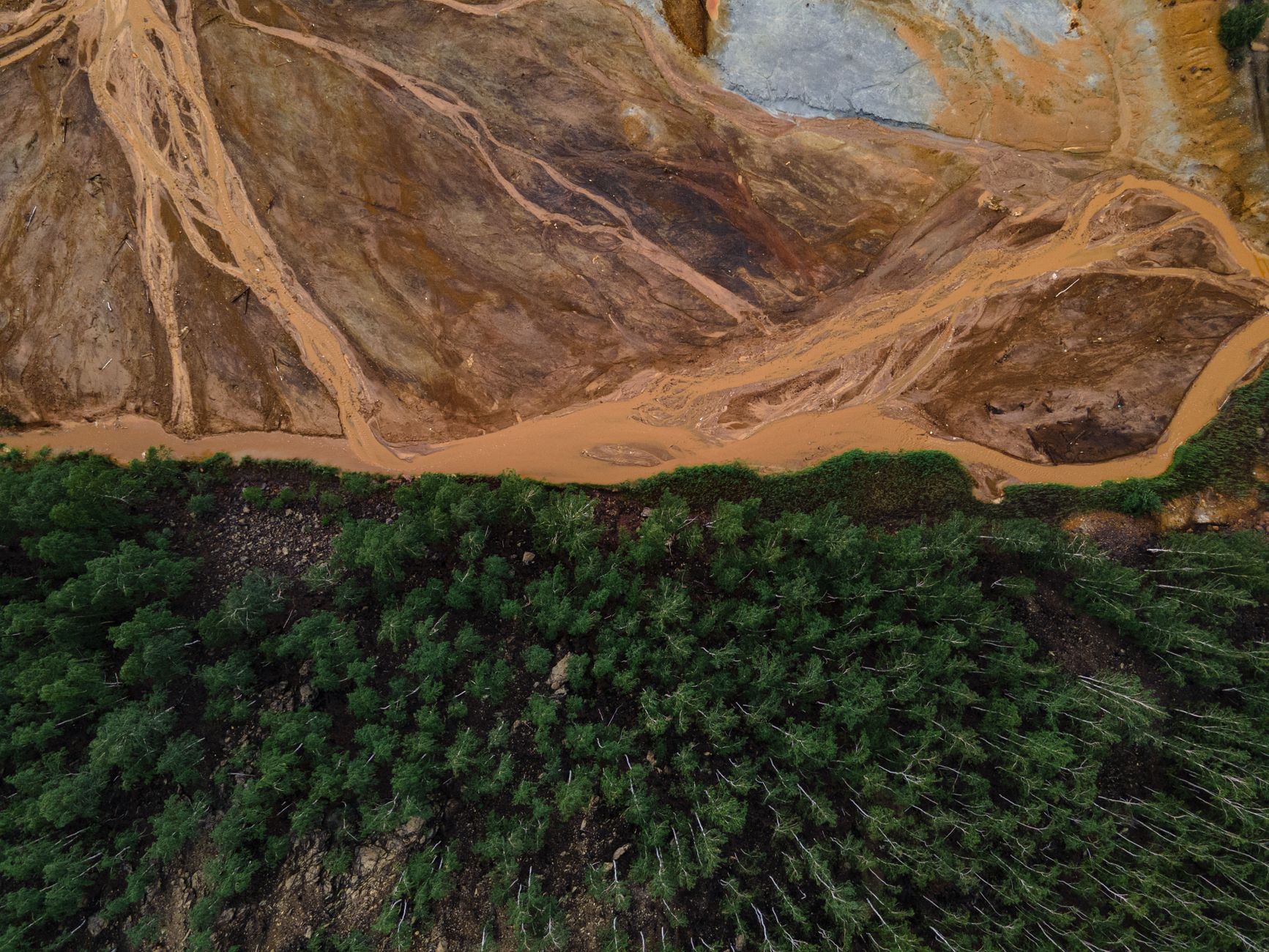
Under the wide African skies, Mozambique's Zambezia Province hides a secret that is gradually being revealed. Hundreds of hectares of vibrant mangrove forests have disappeared, leaving behind barren landscapes and a grim environmental legacy. At the heart of this ecological conundrum lies the Mozambique Heavy Sand Company VIII, partly owned by the Jinan Yuxiao Group, a prominent Chinese mining giant.
The situation came to light following an investigation that linked the mining operations of this company to the alarming rate of mangrove loss. These mangroves are not just trees; they are the lifeblood of the region's coastal ecosystem. Serving as nurseries for fish, buffers against coastal erosion, and crucial carbon sinks, their destruction spells disaster for both biodiversity and local communities reliant on these natural resources.
The Role of Jinan Yuxiao Group
The Jinan Yuxiao Group, with its sprawling mining interests, is now under scrutiny for its role in this environmental catastrophe. While the company touts its commitment to sustainable mining practices, satellite images and on-the-ground reports suggest a different narrative. The rapid pace of mangrove destruction has not only alarmed environmentalists but also sparked outrage among indigenous communities who depend on these forests for their livelihoods.
Despite repeated assurances from the company, the evidence of environmental degradation is stark. The Global Mangrove Watch, an initiative monitoring global mangrove coverage, has flagged the significant loss in the Zambezi Delta Ramsar site, a wetland of international importance.
Implications and Response
Environmental experts warn that the loss of such a vast expanse of mangroves could have long-term consequences. Apart from affecting marine biodiversity, it could also exacerbate the impacts of climate change, given mangroves' role in carbon sequestration. The local populace, already vulnerable to economic and environmental challenges, could face increased hardships as natural buffers against storms and tidal surges diminish.
In response to mounting pressure, the Mozambican government has pledged to review the environmental policies governing such mining activities. Meanwhile, conservation groups are calling for stringent regulations and increased transparency from international corporations operating in ecologically sensitive regions.
As the world watches, the situation in Mozambique serves as a stark reminder of the delicate balance between economic development and environmental stewardship. The story unfolding in Zambezia Province is not just about mangroves; it's about the sustainable future of our planet.