Chinese Robot Lightning Outpaces Usain Bolt's 100m Record
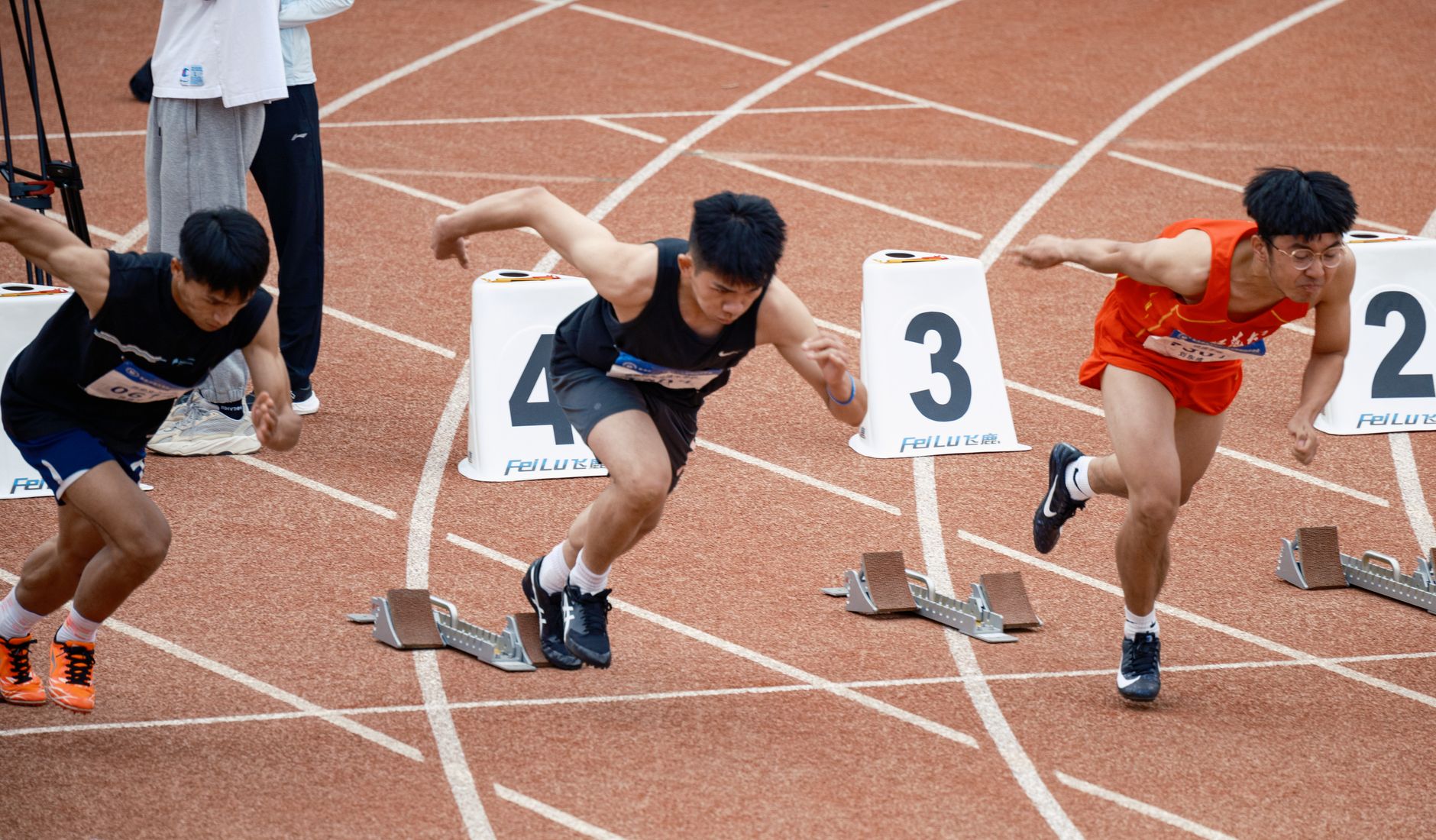
In an extraordinary feat that has left the athletics world both bewildered and intrigued, a Chinese humanoid robot known as 'Lightning' has blitzed past Usain Bolt's world record in the 100-metre sprint. At the World Humanoid Robot Games in Beijing, Lightning clocked a blistering 9.32 seconds, surpassing Bolt’s 9.58-second human record.
This remarkable accomplishment is the brainchild of technology giant Honor, typically known for its smartphones, marking a significant departure into the realm of robotics. The 169 cm tall robot, with its 95 cm-long legs, isn't just a marvel of engineering but also a testament to the burgeoning capabilities of artificial intelligence and robotics.
While Lightning's achievement is undoubtedly impressive, it begs the question: what does this mean for the future of sports and human achievement? With robots now capable of outpacing the fastest human ever recorded, the traditional benchmarks of athletic prowess are being redefined.
The Implications for Human Competition
While the athletic community may not yet need to worry about robots taking over the Olympics, the implications of such technological advances could have far-reaching effects. Robotics competitions are primarily research-focused, aimed at pushing the boundaries of what machines can do. However, the prospect of machines setting new records in traditional human arenas is an exciting, albeit daunting, glimpse into the future.
Ethical considerations also come into play. How do we value human achievement when machines can outperform us in our own domains? This development could lead to a re-evaluation of what athletic achievement truly means in a world where technology continues to evolve at breakneck speed.
Beyond the Track
Lightning's success isn't just confined to the sprint track. Earlier this year, the robot also completed the Beijing half marathon in an impressive 50 minutes and 26 seconds, again surpassing the human world record. Such feats highlight the robot's versatile capabilities, suggesting potential applications beyond mere sporting events.
As we witness these technological triumphs, the lines between human and machine accomplishments continue to blur, prompting us to consider not just where we are headed, but how we define success in a world shared with robots. For now, as Lightning takes a victory lap in the realm of robotics, humanity is left to ponder its next move.