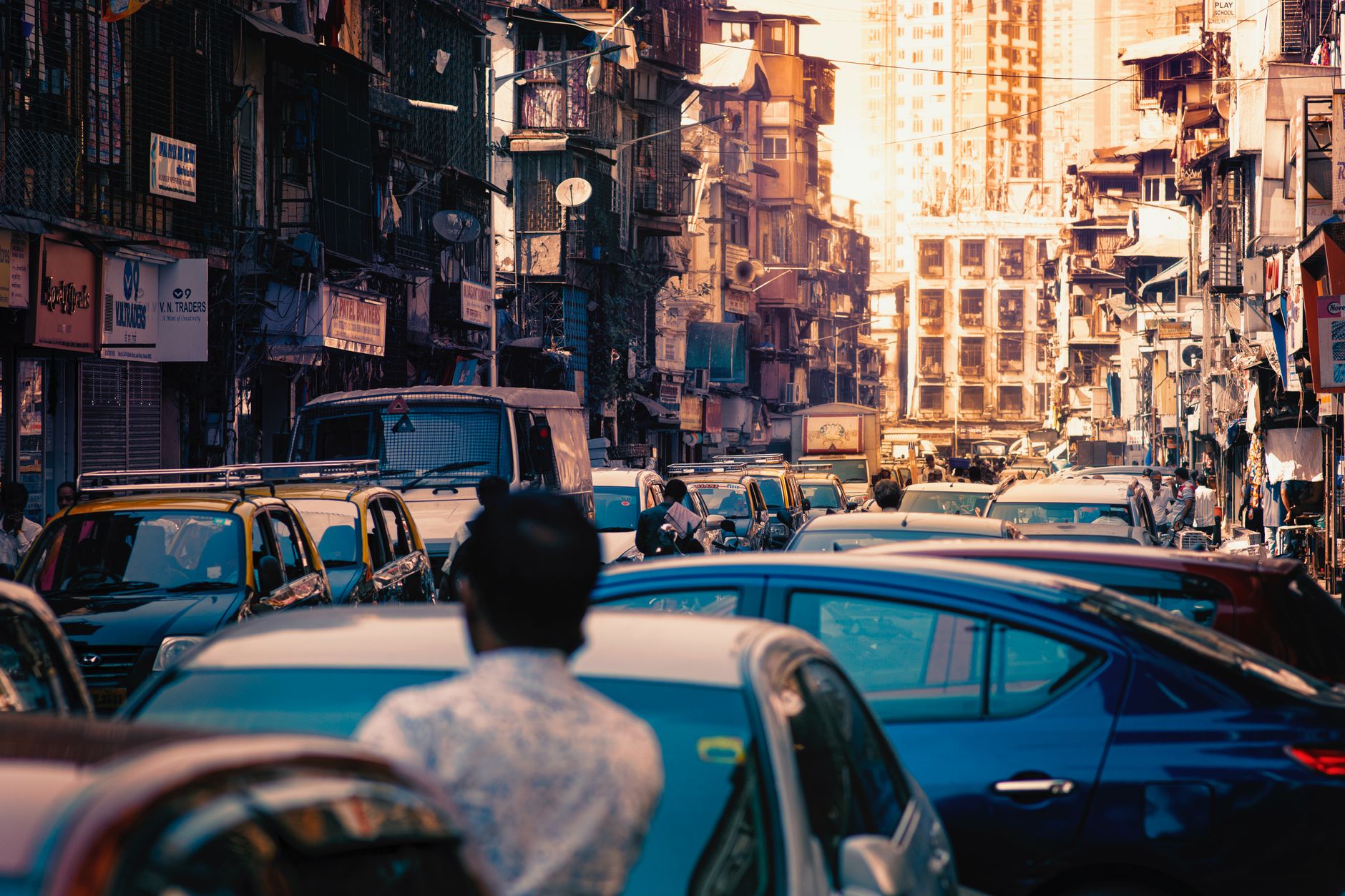
Cholera's Lethal Legacy in Communities Lacking Clean Water
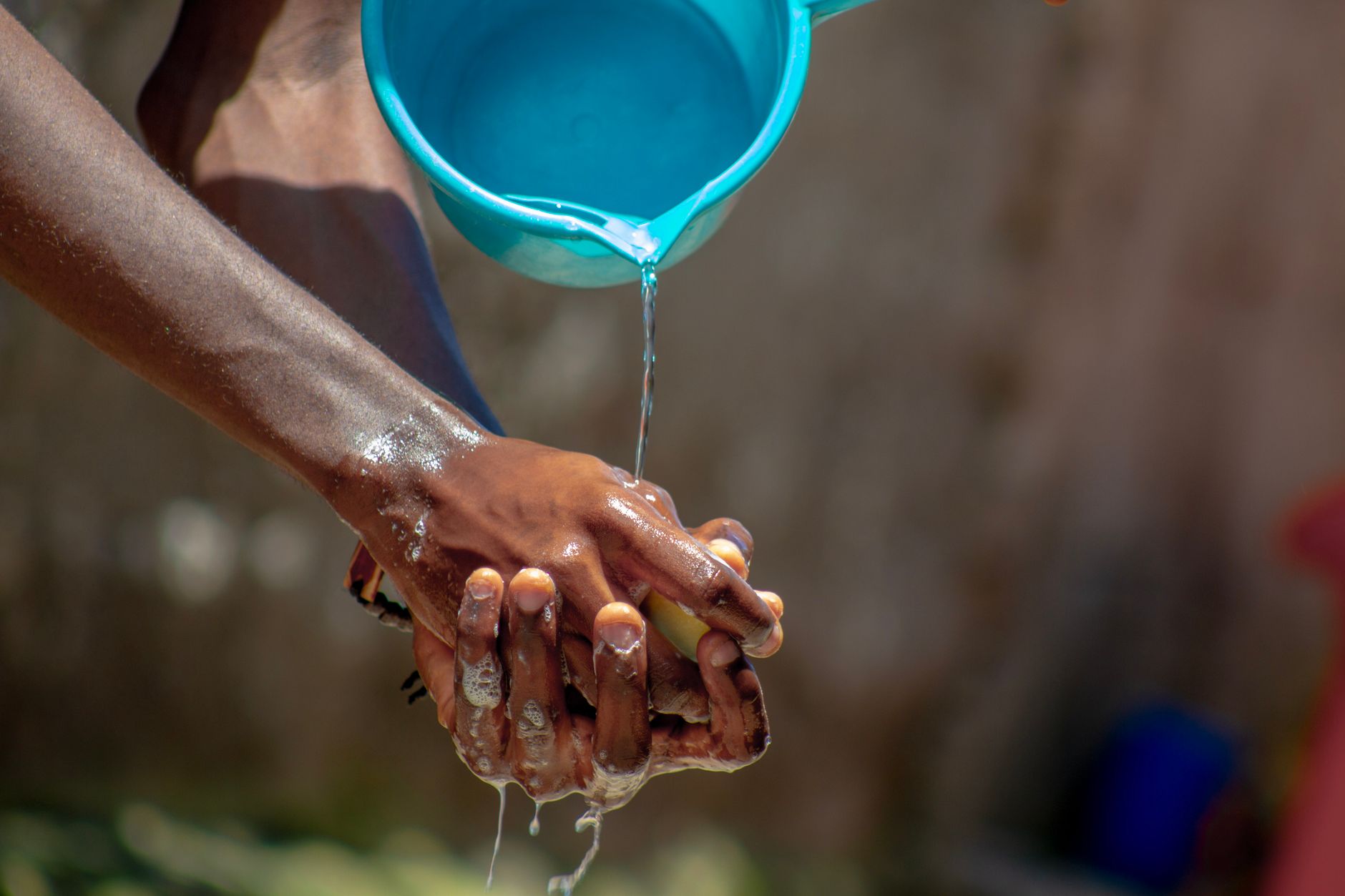
In the dusty outskirts of Khartoum, children play barefoot in the streets, oblivious to the unseen menace lurking in the water they drink. Cholera, a disease many in the West consider an anachronism, continues its deadly march in parts of the world where clean water remains a scarce commodity.
While residents of London or New York might view cholera as a relic of the past, for communities in Sudan, Yemen, and Haiti, it is a present and pressing danger. The disparity is stark: in wealthy nations, the disease has all but vanished, yet it still claims thousands of lives each year in areas plagued by poverty and poor sanitation.
The Persistence of Cholera
Cholera's persistence in these regions is largely due to a lack of basic amenities. Safe drinking water and effective sewage systems are not just conveniences; they are lifelines. In communities where these are unavailable, the bacteria that cause cholera can spread rapidly, turning every sip of water into a potential death sentence.
Efforts to curb the spread of cholera have met with some success. The World Health Organisation and various non-governmental organisations have launched initiatives aimed at improving water quality and sanitation. These efforts, while commendable, face significant challenges, including political instability and funding shortages.
A Global Call to Action
The fight against cholera is, at its heart, a battle against inequality. It serves as a grim reminder of the broader issues plaguing our world, where access to something as fundamental as clean water is still far from universal. The disease's continued existence underlines the urgent need for international cooperation and investment in infrastructure that can provide long-term solutions.
As the world becomes increasingly interconnected, the health of one nation impacts the health of all. Cholera does not respect borders, and its eradication requires a concerted effort that transcends national interests. Only by addressing the root causes of poverty and ensuring access to essential resources can we hope to consign cholera to the history books once and for all.