CISCE Elevates Physical Education: A New Era for Student Well-being
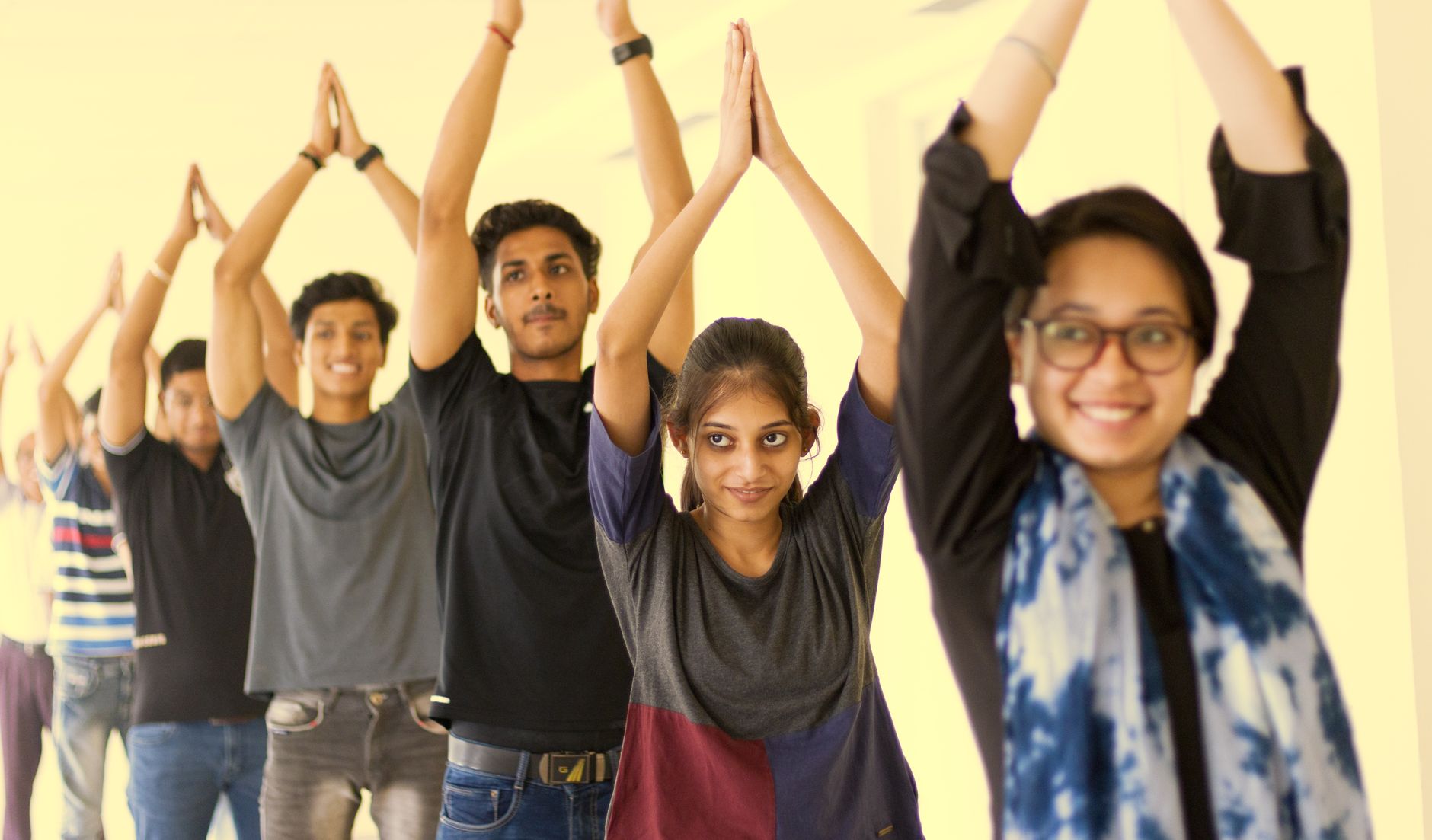
In a significant stride towards holistic education, the Council for the Indian School Certificate Examinations (CISCE) has announced the inclusion of Health and Physical Education as a compulsory component of its board assessments from 2028. This initiative, set to commence with the 2026-27 academic session, will apply to students entering Classes IX and XI, marking a crucial shift in educational priorities.
While traditionally, the academic spotlight has shone predominantly on subjects like mathematics and science, this move aims to balance the scales by recognising the importance of physical fitness and well-being in a student's development. The decision echoes a growing global awareness of the need to foster physical health alongside academic prowess.
A New Curriculum
Students will be assessed internally on three fronts: Active CISCE, which is a tool for evaluating physical health and fitness; participation in games and sports; and an understanding of health, safety, and well-being. These components will not only encourage students to engage in regular physical activity but also equip them with knowledge about maintaining a healthy lifestyle.
This development follows a broader trend observed in educational systems worldwide, where the emphasis on mental and physical health has become increasingly pronounced. By embedding these aspects into the academic framework, CISCE aims to nurture well-rounded individuals who are prepared for the challenges of modern life.
Implications for Students and Schools
For students, the inclusion of Health and Physical Education in board assessments offers a welcome change, breaking the monotony of conventional classroom learning. It provides a platform to excel in non-academic areas, which could be particularly beneficial for those who may not thrive in traditional exam settings.
Schools, on the other hand, will need to adjust their curricula and resources to accommodate this shift. This may involve hiring specialised staff and investing in sports infrastructure, thereby enhancing the overall educational environment.
With this forward-thinking approach, CISCE sets a precedent that could inspire other educational boards to follow suit. By prioritising well-being and fitness, the council acknowledges that education should extend beyond textbooks, preparing students for a healthier, more balanced life.