Citizen Scientists Bury Underpants to Unearth Soil Secrets
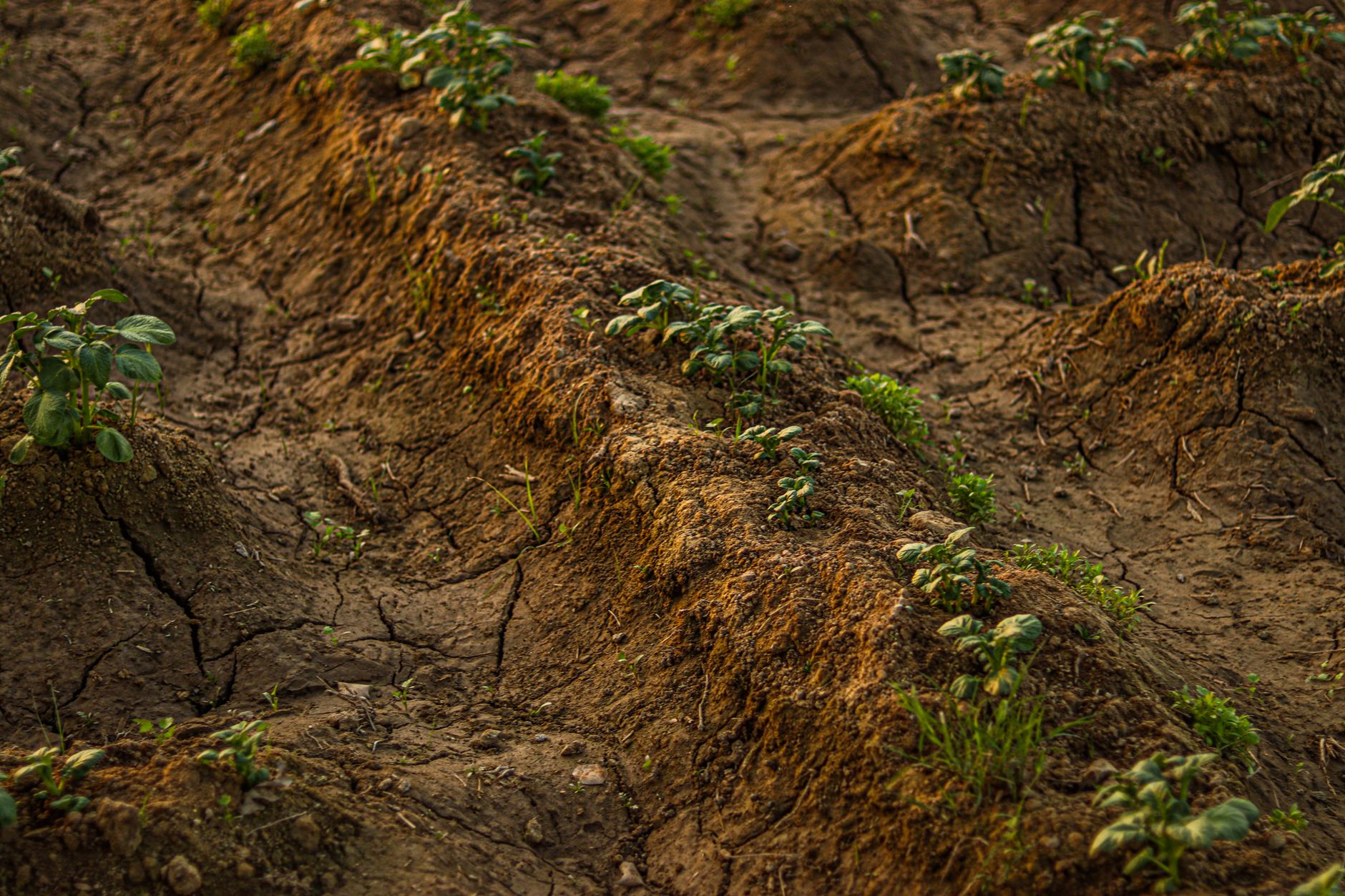
In a move that might raise eyebrows and more than a few smirks, 1,000 citizen scientists from 25 countries across the globe have taken to burying their cotton underpants in the name of scientific discovery. This peculiar initiative, orchestrated by the University of Zurich and Agroscope, is not the latest fashion trend but a serious effort to gain insights into soil health.
Over a period of two months, these undergarments were buried in various soils, from Swiss alpine pastures to suburban gardens in Japan. The goal was to observe the rate at which the fabric decomposed, using it as a proxy for biological activity within the soil. The faster the cotton disappeared, the more active the soil organisms were.
The Science Beneath the Surface
Decomposition is a natural process, crucial for nutrient cycling and carbon storage. By measuring how quickly the cotton underpants broke down, scientists could infer the level of microbial activity in different soils. The findings, recently published, underscore the significant impact of land use on soil health. Agricultural lands, with their intensive cultivation, showed varied results compared to more natural landscapes.
Dr. Hans Meier, lead researcher on the project, noted, "The health of our soils is paramount for sustainable agriculture and climate resilience. This experiment offers a simple yet effective method to engage the public and gather valuable data."
Global Implications
So why does this matter? Soil health is a cornerstone of ecological stability, affecting everything from crop yields to biodiversity. As the world grapples with climate change and environmental degradation, understanding and preserving our soil resources becomes increasingly vital. This citizen science project not only promoted scientific literacy but also highlighted the global stakes of soil management.
The charm of this project lies in its simplicity and accessibility. Anyone with a garden can replicate the experiment, contributing to a greater understanding of the planet's underfoot ecosystems. As the results continue to be analysed, the hope is that more people will be inspired to take an interest in the dirt beneath their feet—quite literally.