CJI Advocates for Protests But Warns Against Involving Courts
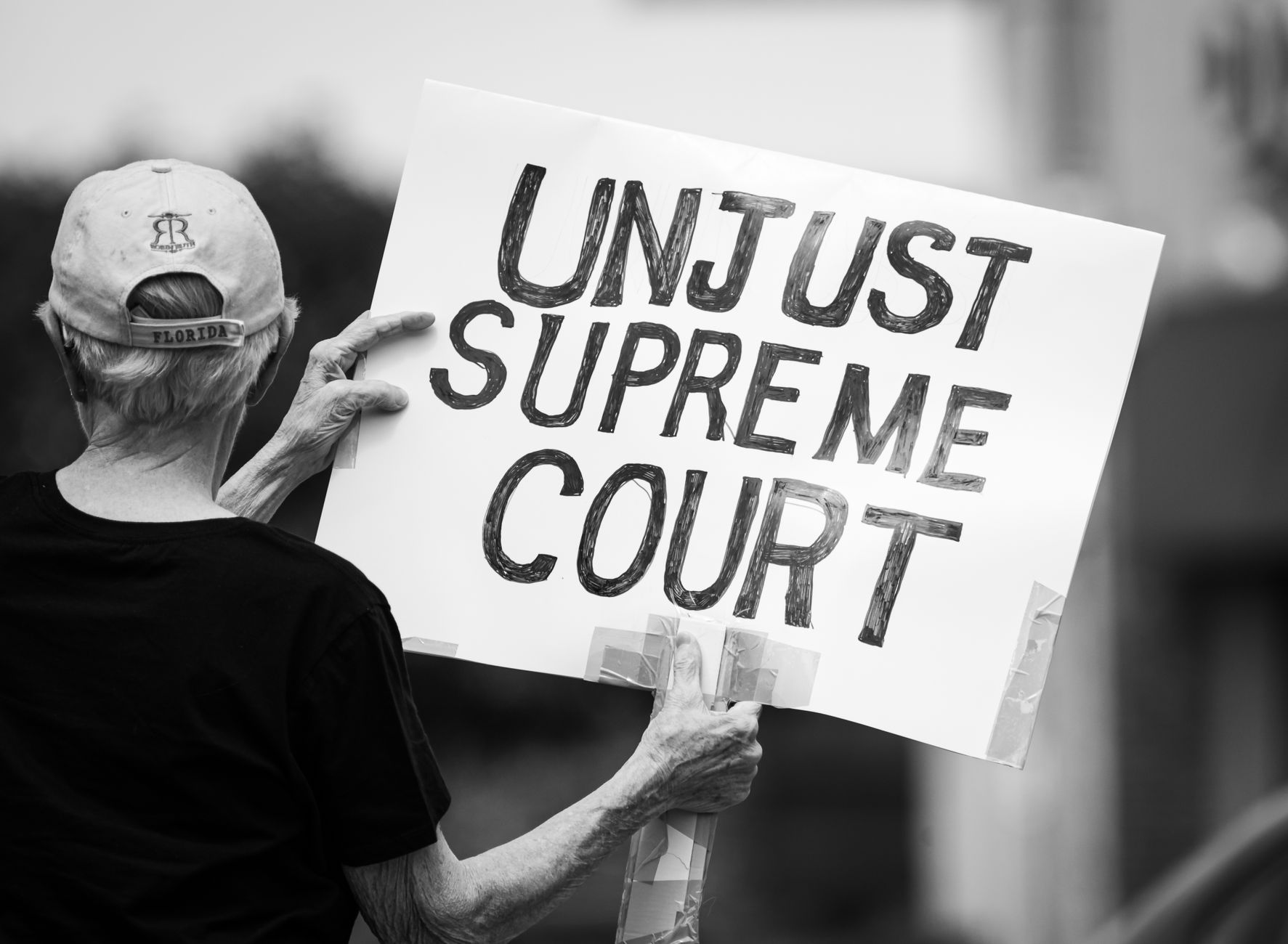
In an era where public dissent is increasingly vocal, India's Chief Justice has articulated a delicate balance between supporting democratic protests and safeguarding the judiciary's impartiality. Speaking at a recent legal conference, the Chief Justice made it clear that while protests are a vital component of democracy, the Supreme Court must not be drawn into political controversies.
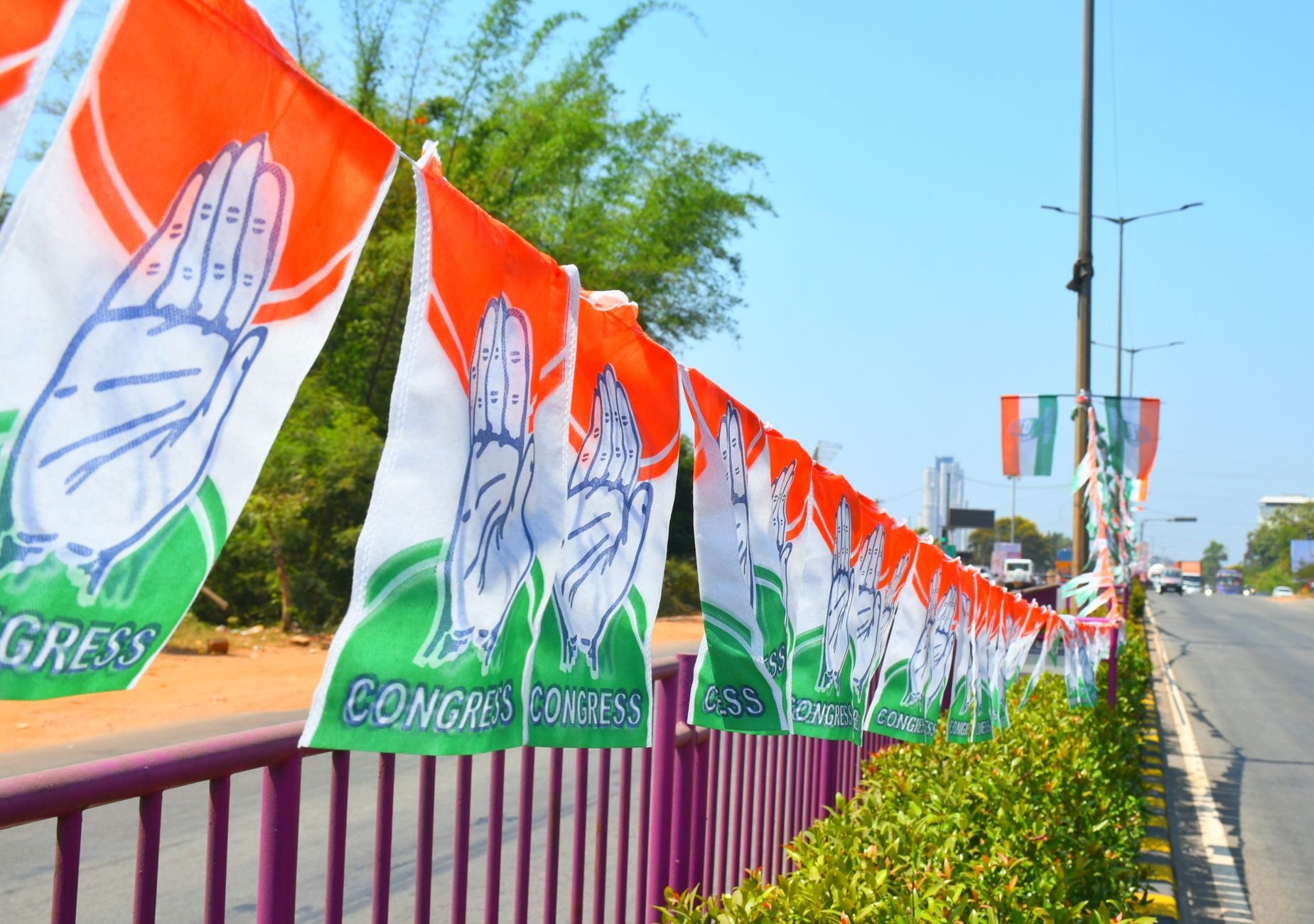
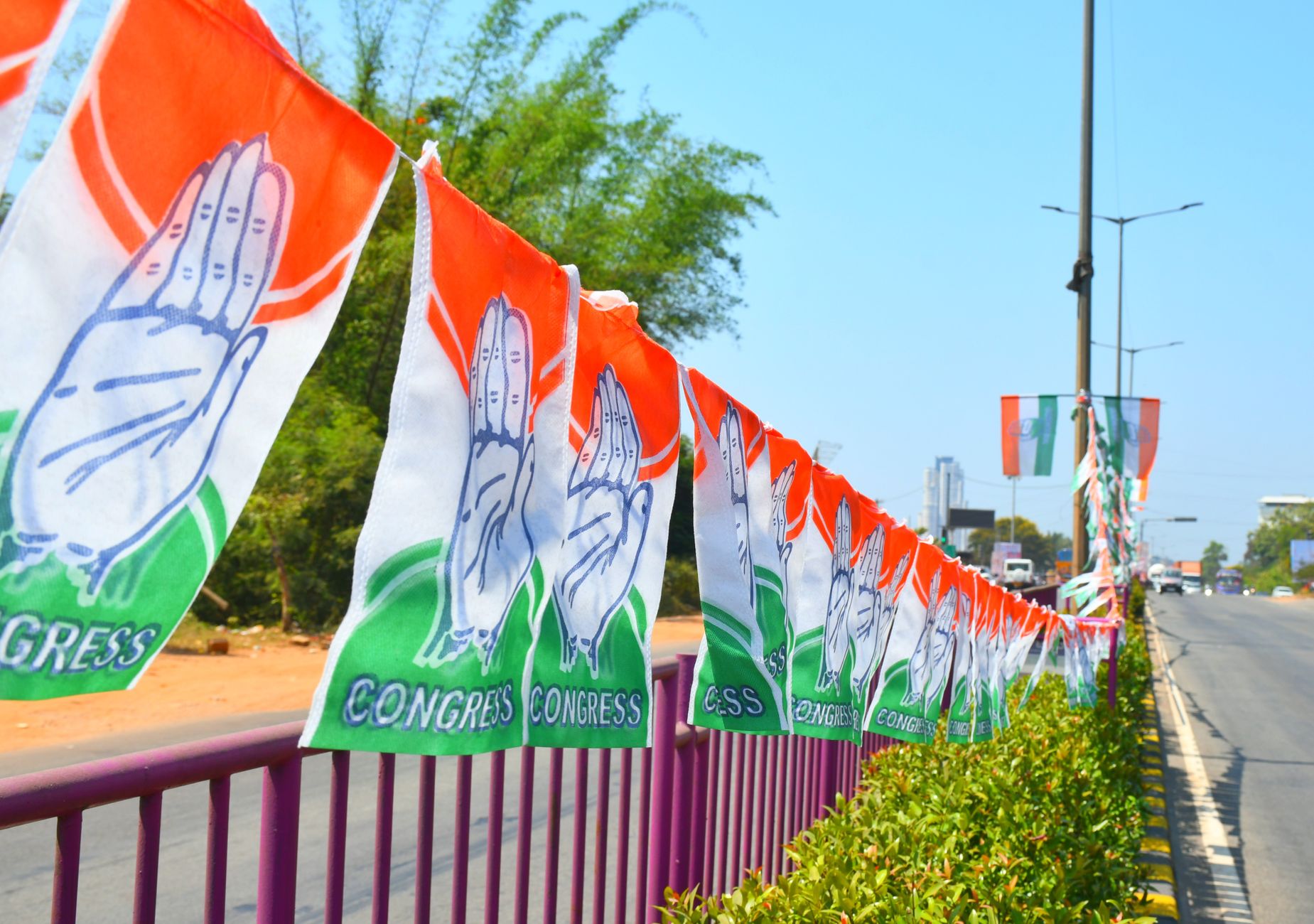
The backdrop to these remarks includes a wave of protests from New York to Delhi, each with its own causes and consequences. In India, recent demonstrations have emerged from as seemingly innocuous a source as dissatisfaction with college cafeteria food, yet they have quickly escalated into larger movements questioning governance and representation.
The Role of Judiciary
The Chief Justice's comments underscore a critical aspect of the judiciary's role: maintaining its position as an arbiter of law, not politics. "The courts are not arenas for political battles," he stated, urging both politicians and the public to resolve their issues through dialogue and democratic means rather than through litigation.
This stance is not without precedent. Historically, India's judiciary has often found itself at the crossroads of political and social change, from landmark rulings on civil liberties to decisions impacting economic reforms. However, the Chief Justice's latest pronouncement aims to draw a line, ensuring that the judiciary remains a bastion of justice, free from the ebbs and flows of political winds.
Public Response and Political Climate
The public response to these statements has been mixed. Some view it as a necessary reminder of the boundaries between governance and justice, while others see it as an attempt to stifle legitimate grievances. In the current political climate, where protests have often been met with resistance or crackdowns, the Chief Justice's words serve both as a caution and a call for restraint.
As protests continue to unfold, the challenge remains: how to allow democratic expression while ensuring that the institutions designed to uphold the law do not become politicised. The Chief Justice's message resonates as a timely reminder of the judiciary's role in a healthy democracy, one that must remain steadfastly focused on justice, irrespective of the political tempest.